Revolutionizing Maritime Transit
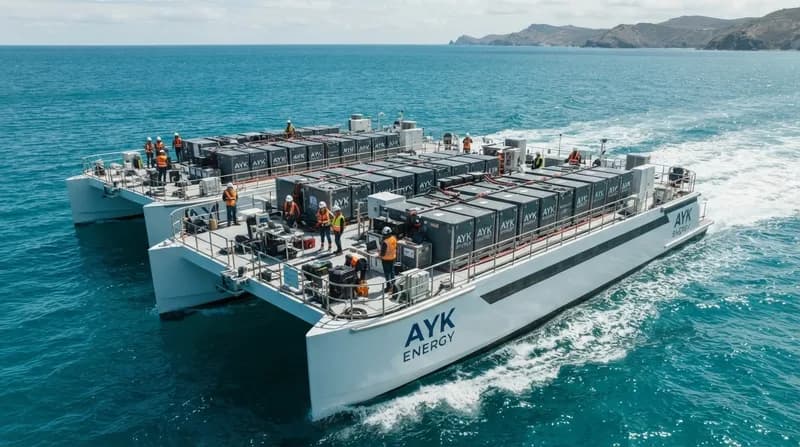
In a major leap forward for sustainable maritime transport, AYK Energy has secured a landmark contract to supply battery systems for three new all-electric fast ferries destined for Danish operator Molslinjen. Each of these high-performance catamarans, currently being constructed at the Incat Tasmania shipyard, will be powered by a 55 MWh Polaris battery system. With a collective capacity of 165 MWh across the fleet, these vessels are poised to become the largest battery-powered ferries in Europe upon their entry into service.
These ferries are designed to handle high-capacity transit, accommodating up to 1,500 passengers and 500 vehicles. Despite their massive size, the vessels are built for speed, capable of reaching 40 knots. To maintain this efficiency, the integrated electric propulsion and waterjet systems, provided by Wärtsilä, will be supported by advanced charging infrastructure that allows the massive batteries to reach a full charge in just 30 minutes.
Engineering Efficiency Through Weight Reduction
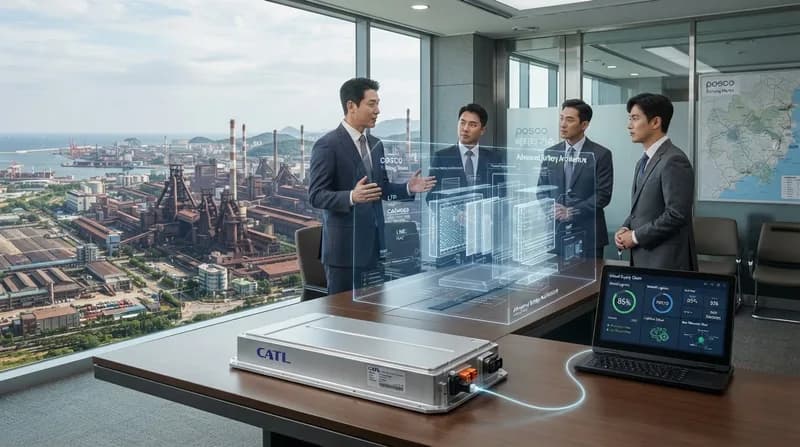
A critical challenge in designing electric fast ferries—particularly those built from lightweight aluminium—is managing the extreme weight of energy storage systems. When the project was initially scoped two years ago, the projected battery weight exceeded 700 tonnes. However, through aggressive engineering revisions, AYK Energy has successfully reduced the system weight to less than 400 tonnes.
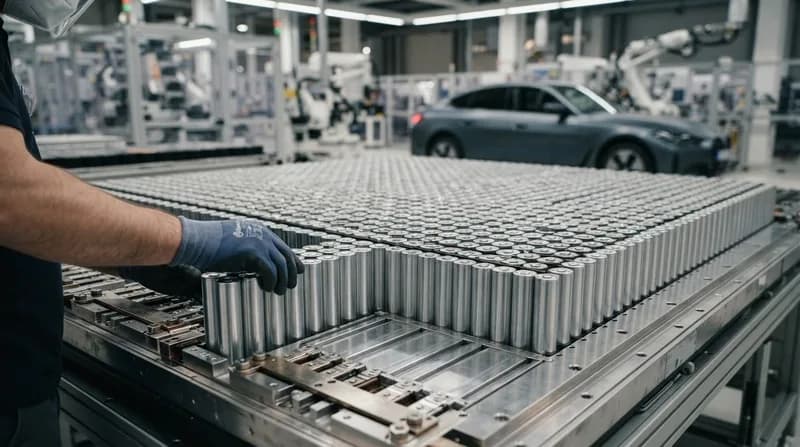
This feat was achieved by optimizing the battery architecture, shifting to an advanced aluminium structural design, and incorporating high-performance LFP (Lithium Iron Phosphate) cells tailored for maritime durability. By adopting manufacturing efficiencies common in the automotive sector, AYK has significantly improved energy density, ensuring the vessels remain lightweight enough to meet strict performance metrics without sacrificing range or safety.
Why it Matters
- Decarbonization at Scale: These vessels will replace traditional combustion-engine ferries, significantly reducing the carbon footprint of routes between Jutland and Zealand.
- Safety Innovation: The Polaris systems include specialized maritime-grade fire suppression and thermal management protocols to mitigate overheating risks in dense battery modules.
- Technological Milestone: Scaling from previous 12 MWh hybrid installations to 55 MWh all-electric systems represents a major maturation point for marine energy storage.
Project Outlook and Implementation
The rollout of these ferries is scheduled in stages to ensure seamless integration into the existing Danish transit network. The first vessel is expected to arrive at the end of 2027, with official operations slated for the first quarter of 2028. The remaining two sister ships are scheduled to enter service in 2028 and 2029, respectively.
Founded in 2018 by Chris Kruger, AYK Energy has rapidly ascended from specialized maritime energy solutions to large-scale fleet electrification. With existing projects ranging from Greenpeace vessels to hybrid installations for Brittany Ferries, the Molslinjen contract serves as the company's most ambitious project to date, further cementing its position as a global leader in marine battery technology.