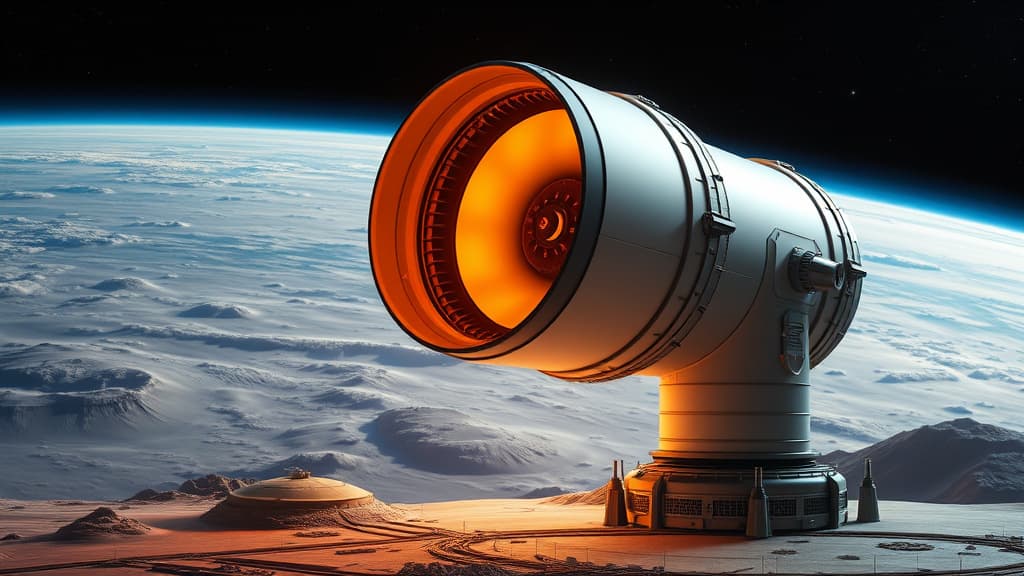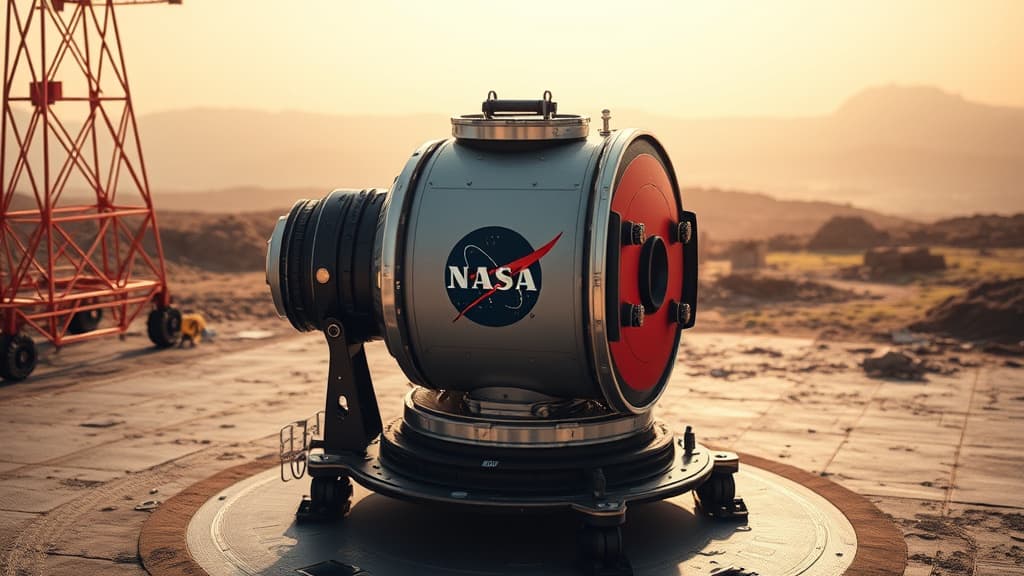
NASA is gearing up for the highly anticipated launch of the Nancy Grace Roman Space Telescope, scheduled for August 30, 2026. The launch will take place at 7:26 a.m. EDT aboard a SpaceX Falcon Heavy rocket, marking a significant step in the search for exoplanets and the study of fundamental cosmic phenomena.
The Roman Space Telescope is enclosed within the Falcon Heavy fairing, designed to protect it from extreme conditions during liftoff, including aerodynamic pressure and intense sound waves. After launch, the telescope will make its way to the Sun-Earth Lagrange point 2 (L2), where it will enjoy an uninterrupted view of the cosmos.
Key Mission Objectives
- Discover thousands of exoplanets, with an estimated potential to identify around 100,000.
- Investigate the nature of dark matter, a crucial element in galaxy formation.
- Examine dark energy, which drives the accelerated expansion of the universe.
- Provide critical data about the distribution of matter and galaxies, aiding in our understanding of cosmic evolution.
Once operational, the Roman Space Telescope will significantly expand our knowledge of the universe. The data it collects will enhance research into the distribution of galaxies and matter, offering insights into the universe's history and future. This mission represents a collaborative effort to tackle some of the most important cosmological questions of our time.