The Metabolic Duality of PPARD
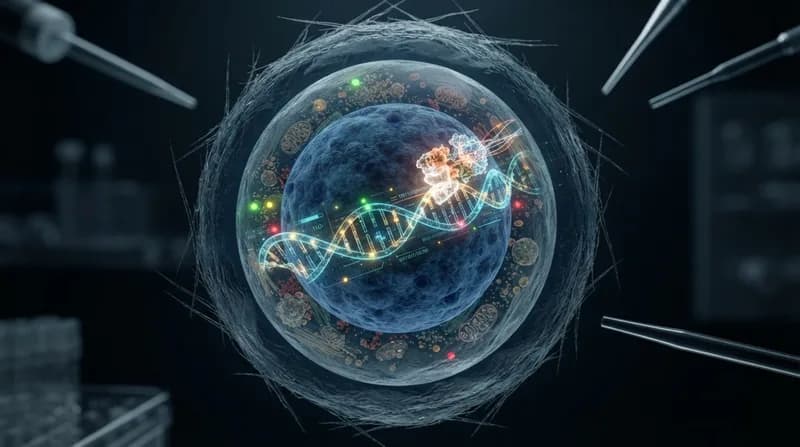
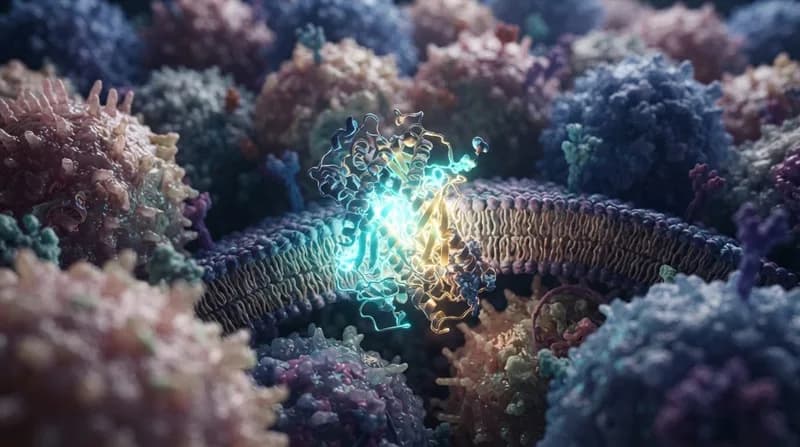
In a breakthrough study published in Nature Immunology, scientists at the Cold Spring Harbor Laboratory (CSHL) have uncovered a paradoxical dual role for the protein peroxisome proliferator-activated receptor delta (PPARD). While it has long been understood that cancer cells exploit this protein to sustain their own rapid growth and metabolic needs, researchers have now identified a way to harness its function in immune cells to mount a more effective defense against malignancy.
Led by CSHL Assistant Professor Semir Beyaz, the research team hypothesized that the constraints governing cancer cell survival—specifically their metabolic fitness—are fundamentally linked to the fitness of the immune cells tasked with eliminating them. By activating PPARD in immune cells, the team discovered that these cells undergo a metabolic shift, becoming significantly more efficient at burning fat. This process effectively 'supercharges' the immune cells, transforming them into more aggressive hunters of tumor tissues.
Supercharging Immunotherapy
The potential implications for modern oncology are substantial, particularly regarding CAR T cell therapy. This treatment, which involves engineering a patient’s own immune cells to recognize and attack cancer, often faces limitations when the tumor environment suppresses immune function. By integrating the activation of PPARD into these engineered cells, the researchers found they could significantly enhance their lethality against experimental colorectal cancer models, including patient-derived organoids and human cancer cells implanted in mice.
The study highlights a critical realization: cancer resistance is often a failure of cellular energy management. By manipulating the metabolism of immune cells, scientists can bypass the suppressive environment created by tumors, potentially offering a path forward for patients who have found little success with standard chemotherapy or traditional immunotherapies.
Broad Implications and Future Research
While the study primarily targeted colorectal cancer—a disease of particular concern due to its rising prevalence in younger populations—the research team successfully demonstrated efficacy across a spectrum of other malignancies. Their findings suggest that this metabolic intervention holds promise for treating breast cancer, ovarian cancer, and melanoma. The versatility of this approach hints at a potential universal strategy for strengthening the immune system's response to various stubborn tumors.
Why it Matters: A New Frontier in Oncology
- Metabolic Fitness: The discovery suggests that cell energy metabolism is as critical as genetic profile when determining how well an immune system fights cancer.
- Overcoming Resistance: Many patients with advanced cancers do not respond to existing immunotherapies; this metabolic approach could provide a secondary mechanism to kickstart a stalled immune response.
- Expansion to Other Conditions: Beyond cancer, the researchers are investigating whether this immune-boosting strategy can address other chronic inflammatory conditions, such as endometriosis, where the immune system struggles to clear diseased tissue.
Beyaz draws a compelling analogy to the Star Wars universe, comparing PPARD to 'the force.' In the hands of a tumor, it serves the dark side, fueling disease progression. When activated within the immune system, it acts as a stabilizing power for the light, potentially turning the tide against one of the most persistent medical challenges of our time. While human clinical trials remain on the horizon, the ability to flip this metabolic switch marks a promising new chapter in precision immunology.