The Dynamics of Microbial Communities
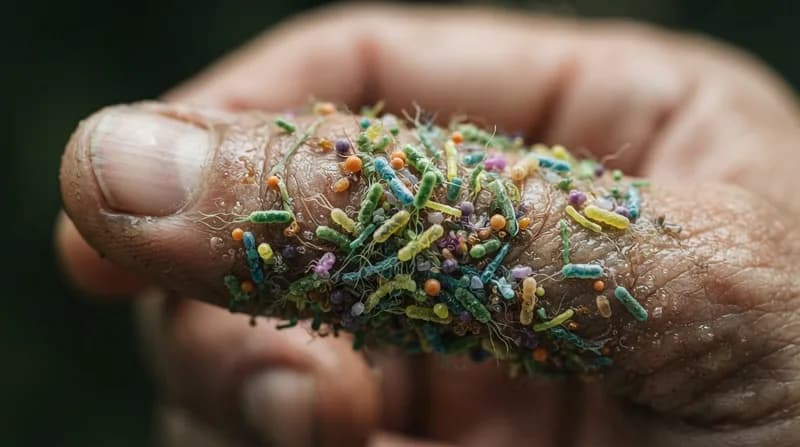
Our gut health is far more communal than previously understood. According to recent findings published in the journal PLOS One, the billions of friendly microbes that reside within our digestive tracts are not merely solitary inhabitants; they are part of a shared, environmental ecosystem. When people live in close proximity, they naturally exchange these microbes through daily interactions, creating a 'background microbial community' that permeates households and neighborhoods alike.
This shared environment plays a critical role in the ongoing battle against antibiotic resistance. Disease ecologist Eric Ng'eno and his team conducted a rigorous study in a densely populated urban settlement in Nairobi, Kenya, to determine whether these shared microbial interactions serve as a gateway for resistant strains of E. coli to colonize the human gut. The research suggests that an individual's susceptibility to resistant bacteria is not determined in a vacuum but is heavily influenced by the microbial 'neighborhood' they inhabit.
Predicting Resistance Through Microbial Mapping
To understand the drivers of resistant bacteria, the researchers utilized a sophisticated statistical modeling approach. By comparing two sets of data—one that factored in antibiotic usage alongside social spread and microbial communities, and another that looked strictly at the background microbial communities—the team discovered that the latter acts as a powerful predictor of colonization.
The study found that individuals living in areas dominated by native, non-resistant microbial communities were significantly more resilient to invading resistant E. coli. Conversely, in regions where resistant bacteria had already permeated the local environment, inhabitants were at a much higher risk of 'takeover.' This colonization process is exacerbated by antibiotic use, which disrupts the natural gut flora, effectively clearing the path for resistant, environmentally-acquired bacteria to settle and thrive.
Strategies for Long-Term Defense
The implications for public health are profound, suggesting that preventing antibiotic resistance requires a localized, context-sensitive approach. The research underscores that we must transition from focusing solely on the individual to protecting the health of our collective microbial environment. This means shifting our strategy toward preserving the integrity of our natural, diverse gut flora.
- Minimizing Antibiotic Disruption: Avoiding the use of harsh, broad-spectrum antibiotics whenever possible remains the primary line of defense.
- Preventative Measures: Enhancing hygiene and access to vaccines reduces the incidence of disease, thereby decreasing the overall societal demand for antibiotics.
- Restoration Tactics: Following antibiotic treatment, restorative strategies such as probiotics are recommended to replenish the 'good' bacteria.
- Microbiome Farming: In the long term, cultivating a robust internal culture through traditional methods—such as the consumption of fermented foods—could help maintain a healthier, more resistant microbial profile within the general population.
Ultimately, the goal is to create a 'biological fortress' within our bodies. By nurturing our beneficial microbial communities, we can foster an environment that is hostile to resistant invaders, potentially turning the tide in the global fight against antibiotic-resistant diseases.