A New Frontier in Cancer Aggression
For decades, oncologists have understood that chromosomal instability—cells containing an abnormal number of chromosomes—is a hallmark of aggressive cancer. However, recent research from Virginia Tech has added a critical, counterintuitive layer to this understanding: the physical size of these abnormal cells serves as a high-stakes indicator of tumor potential. While one might expect cells with doubled chromosome counts (tetraploid cells) to be physically larger, researchers have discovered a subset of surprisingly small tetraploid cells that behave with far greater lethality.
The study, which combined rigorous laboratory experiments with analysis of human patient data from the Cancer Genome Atlas, suggests that cell size could eventually become a vital metric in predicting patient outcomes. By examining the mechanics of these smaller cells, scientists are now gaining a clearer picture of why certain tumors remain resistant to therapies and why they possess such heightened invasive capabilities.
The Role of Tetraploid Cells in Tumor Growth
The research team, led by cell biologist Daniela Cimini, focused on tetraploid cells, which contain four sets of chromosomes instead of the standard two. These cells are known to emerge during the evolution of various human tumors and have historically been linked to poor prognosis. To understand their influence, the researchers observed how these cells function within a tumor microenvironment, specifically comparing them to standard diploid cancer cells.
A significant finding in the study was the discovery that even a low percentage of tetraploid cells can influence the tumor's success by recruiting stromal cells. These noncancerous connective tissue cells provide structural scaffolding and chemical support to the tumor, essentially helping the cancer thrive and spread more efficiently. This collaborative recruitment process demonstrates that the presence of abnormal cells does more than just replicate—it fundamentally alters the tumor's ecosystem to favor progression.
Why Smaller Cells are More Dangerous
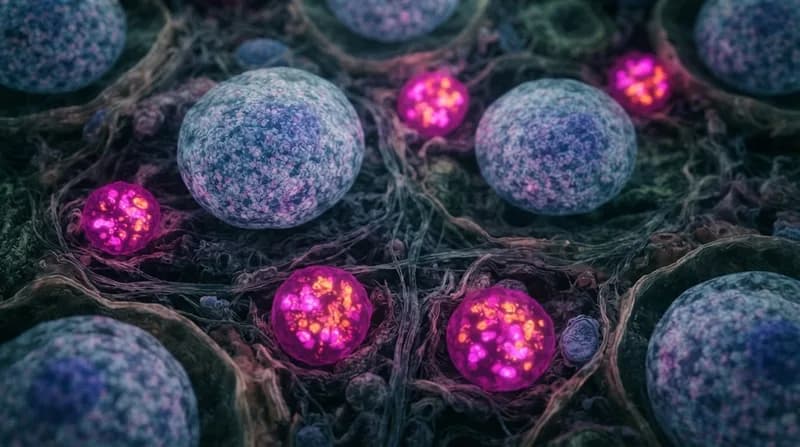
In a twist that surprised the researchers, the team noted that colonies derived from tetraploid cells were not uniform in size. While these cells contain twice the genetic material, some were found to be 25 to 30 percent smaller than expected. This physical variation proved to be the most critical discovery of the study. These smaller, chromosome-heavy cells consistently demonstrated faster growth rates, increased invasiveness, and a higher tolerance for stress-inducing chemotherapy drugs compared to their larger counterparts.
This pattern was observed across multiple cancer types, including colorectal and breast cancer. Because these smaller clones are better equipped to withstand environmental stress and traditional treatments, they are likely the primary drivers of relapse and treatment resistance in clinical settings. The correlation between these smaller cells and lower patient survival rates suggests that current diagnostic methods might be missing a key piece of information by focusing solely on genetics rather than cellular morphology.
Implications for Future Cancer Prognosis
The implications of these findings are substantial. If clinicians can incorporate cellular size measurements alongside traditional genetic sequencing, they may be able to provide a more accurate risk assessment for cancer patients. The ability to identify the presence of these highly aggressive, smaller tetraploid cells could lead to more tailored treatment strategies, potentially prioritizing therapies that are effective against these specific, resilient cellular structures.
The Virginia Tech team is now shifting its focus toward understanding the precise biological mechanisms that allow these smaller cells to thrive despite the metabolic burdens typically associated with extra chromosomes. As the researchers continue to analyze human cancer data and refine their laboratory models, this work underscores the importance of looking beyond the genome to the physical characteristics of cancer cells themselves to unlock better, more personalized medical interventions.