The 3D Genome Revolution
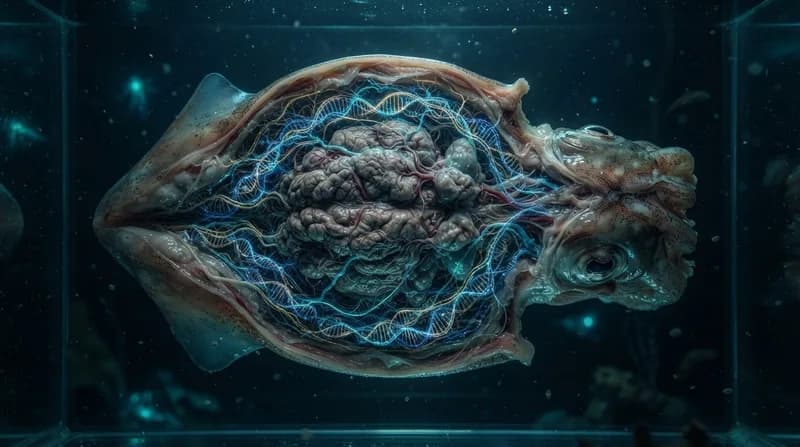
For decades, the intellectual prowess of octopuses, squid, and cuttlefish—often referred to as coleoid cephalopods—has fascinated biologists. These creatures exhibit problem-solving skills, complex camouflage, and sophisticated behaviors that seem almost alien compared to other invertebrates. Now, researchers at the University of Vienna have pinpointed a potential evolutionary trigger for these traits: a massive, ancient reorganization of the physical 3D structure of their DNA.
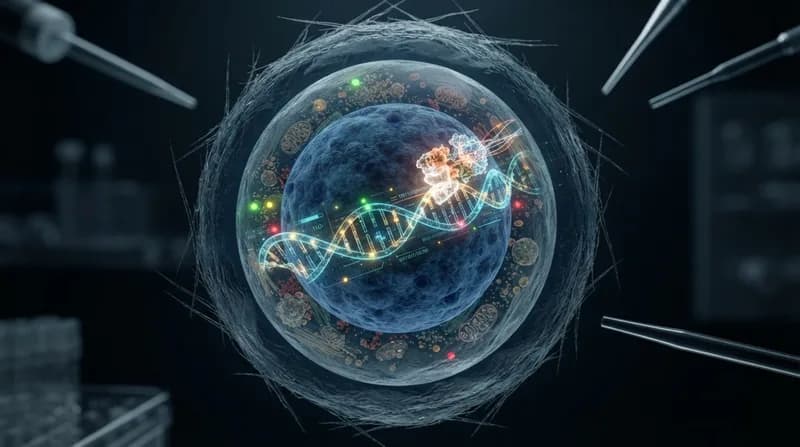
Published in the journal Nature Communications, the study challenges the traditional notion that evolutionary advancement is driven solely by changes to the genetic sequence itself. Instead, the team suggests that the spatial arrangement of DNA inside the cell nucleus serves as a primary driver of biological complexity. By shifting how genes are folded and positioned, these creatures gained the ability to create complex regulatory networks that support their advanced nervous systems without needing to invent entirely new genes from scratch.
Regulatory Entanglement and Evolutionary Innovation
The research team reconstructed the three-dimensional genome architecture of various cephalopod species to map how their genetic material has shifted over hundreds of millions of years. They discovered that during a period of ancient evolutionary upheaval, large segments of their chromosomes were physically rearranged. This process brought previously distant genetic regions into intimate physical contact for the first time.
This "regulatory entanglement" allowed disparate parts of the genome to communicate and influence one another, fostering the development of sophisticated gene regulation. Because these new interactions could be layered onto existing genetic functions, they enabled the rise of complex traits—such as high-level neural processing—without disrupting the fundamental biological processes required for survival. In essence, the cephalopod genome evolved into a more flexible, interconnected web of regulatory loops that could be adapted across different tissues and developmental stages.
Why it Matters: Rethinking Genetic Complexity
- Beyond the Sequence: The study shifts focus from mere gene sequence analysis to the importance of physical DNA organization in evolutionary biology.
- The 3D Advantage: It provides a plausible mechanism for how species can develop high-level complexity quickly by repurposing existing genetic material through spatial rearrangement.
- Adaptable Architecture: The researchers identified that while broad chromatin domains are highly stable, smaller, flexible loops are dynamic, suggesting a specialized evolutionary toolkit for developing complex traits.
Implications for Future Evolutionary Research
The discovery of these flexible genetic loops near genes linked to nervous system development offers a compelling clue to how cephalopods achieved their status as the 'intellectuals' of the ocean floor. While the research does not definitively label this structural shift as the sole cause of octopus intelligence, it provides a sophisticated new model for understanding how evolution navigates the path from simple life forms to highly intelligent, complex organisms.
By highlighting the role of 3D genome architecture, this study opens a new frontier in evolutionary biology. It suggests that if we are to fully understand the origins of cognitive function in the animal kingdom, we must look beyond the linear code of DNA and investigate the intricate, folded landscapes within the cell that govern how that code is actually put into practice.