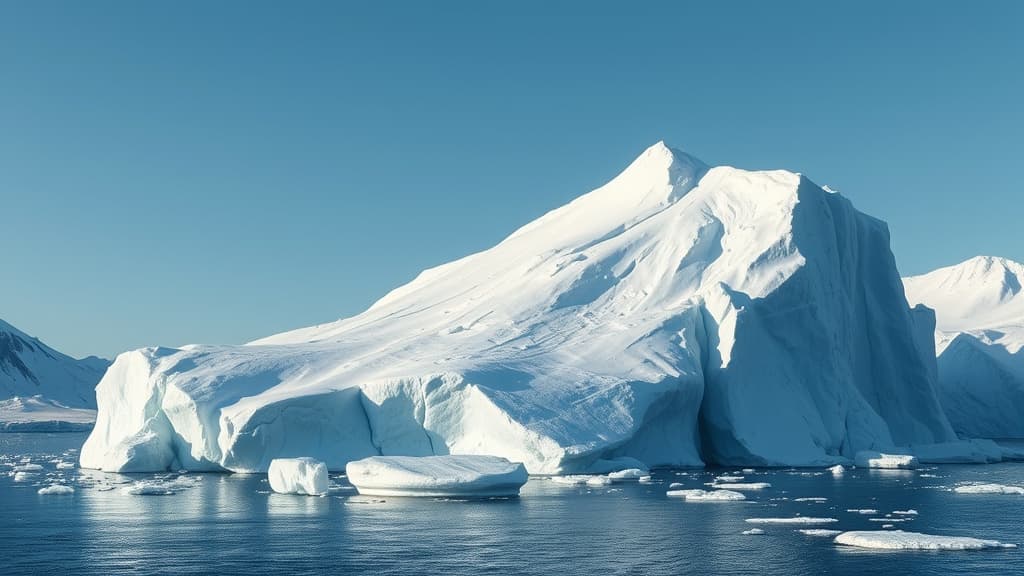
On August 4, 2026, a substantial calving event occurred at Greenland's Petermann Glacier, resulting in the detachment of a 76.4 km² ice island. This ice mass, similar in size to Manhattan, signifies the largest loss of floating ice from the glacier since 2012 and raises alarms about the glacier's stability and future sea level rise.
Key Facts
- Calving Significance: This event is the first major ice loss from Petermann Glacier in a decade and the largest recorded in the Arctic since 2020.
- Ice Thickness: The newly formed ice island is approximately 150 meters thick, presenting a unique opportunity for research regarding Arctic ice dynamics and climate change impacts.
- Fracture Patterns: Satellite monitoring since 2019 has indicated an increasing number of fractures within the glacier, suggesting the likelihood of further detachments, including sections measuring 94 km² and 84 km².
- Overall Impact: If predictions hold, the total reduction could reach approximately 254 km², accounting for 22% of the remaining floating ice tongue.
- Monitoring Efforts: Environment and Climate Change Canada is actively monitoring the new ice island to assess potential risks to maritime navigation, as large ice fragments can drift for extended periods.
Why It Matters
This calving event reflects growing instability in the Arctic region, underscoring concerns about global sea levels. The loss of significant glacial structures like this could drastically affect sea levels worldwide, leading to severe environmental consequences.
As researchers and climate scientists analyze the outcomes of this event, the implications for global climate policies and maritime safety will become increasingly important.