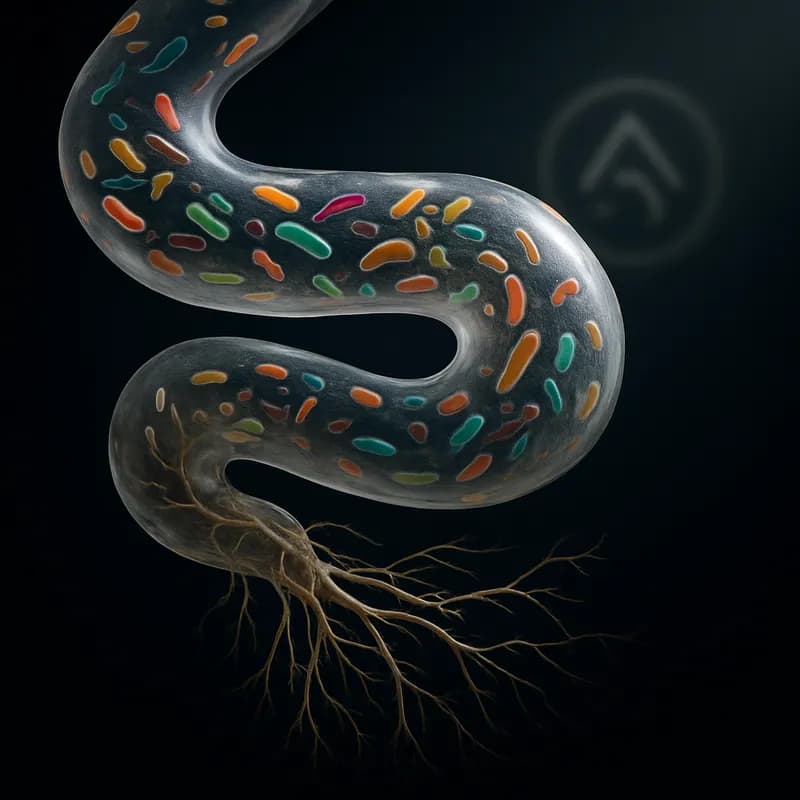
A breakthrough study led by the Washington University School of Medicine in St. Louis has identified a potential hereditary link between gut health and malnutrition. The research indicates that specific intestinal disorders responsible for stunted growth may be passed from one generation to the next through the microbiome of the small intestine.
The Role of the Microbiome
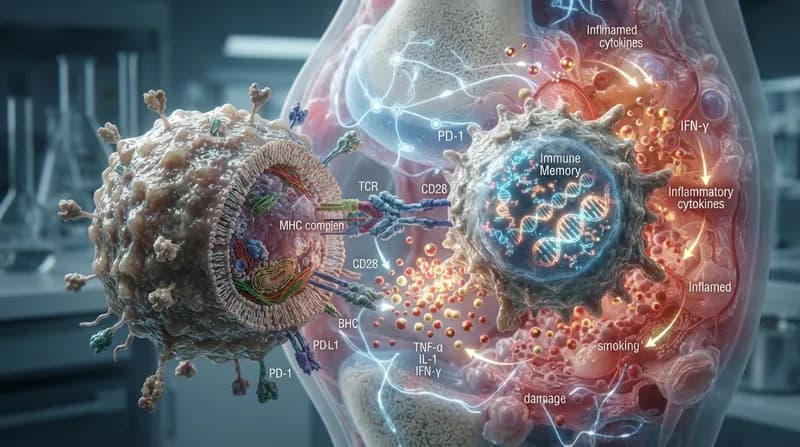
Using mouse models, researchers analyzed bacteria cultured from children suffering from growth stunting and impaired nutrient absorption. The study successfully identified specific bacterial strains that trigger inflammatory chemical signals characteristic of the disease. These signals lead to damage in the intestinal lining, which significantly hinders the body's ability to absorb essential nutrients.
Implications for Future Treatment
This discovery provides a clearer understanding of how malnutrition persists across generations even when food resources might be available. By pinpointing the bacteria responsible for these inflammatory responses, scientists hope to develop targeted interventions to restore gut health and break the cycle of stunted growth in affected populations.