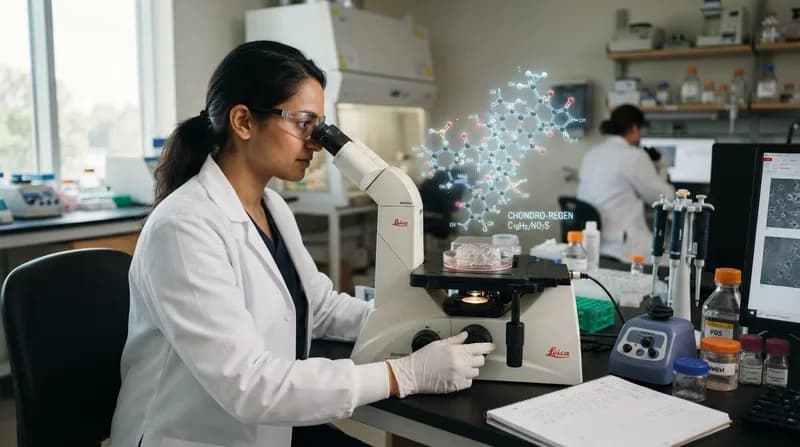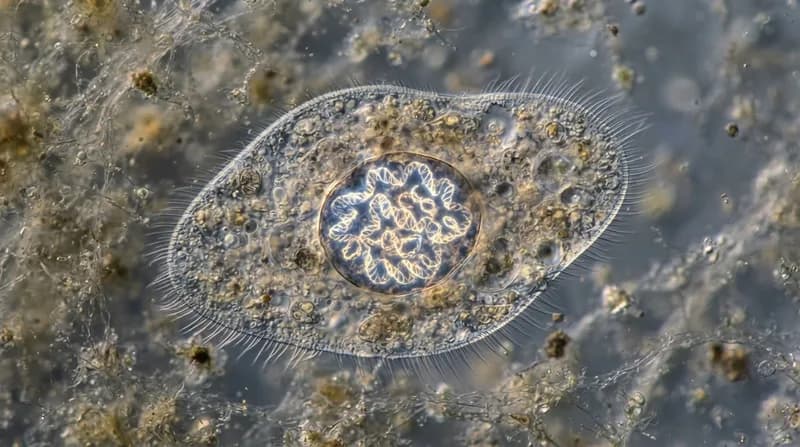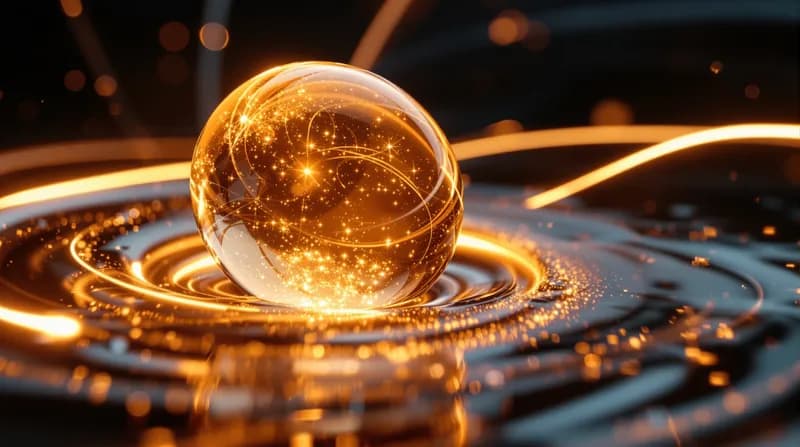
Researchers have developed a breakthrough technique in microscopy that utilizes lasers to manipulate delicate biological samples without physical contact. By leveraging laser-driven thermoviscous flows, scientists can now achieve precise rotation, transport, and stabilization of floating samples, such as individual cells.
Advancing 3D Imaging
Traditional methods of sample manipulation often risk damaging fragile biological structures or interfering with high-resolution imaging. This new approach provides a non-invasive solution, allowing researchers to rotate samples in three dimensions to capture comprehensive data from all angles. This capability is essential for generating high-resolution 3D reconstructions in modern microscopy.
The Role of Thermoviscous Flows
The core of this technology lies in the controlled creation of fluid currents. By precisely applying laser energy, the system generates thermoviscous flows that act as a microscopic "conveyor belt" or "rotational stage" for the sample. This ensures that the subject remains suspended and stable throughout the imaging process, minimizing artifacts and improving the clarity of the resulting biological models.