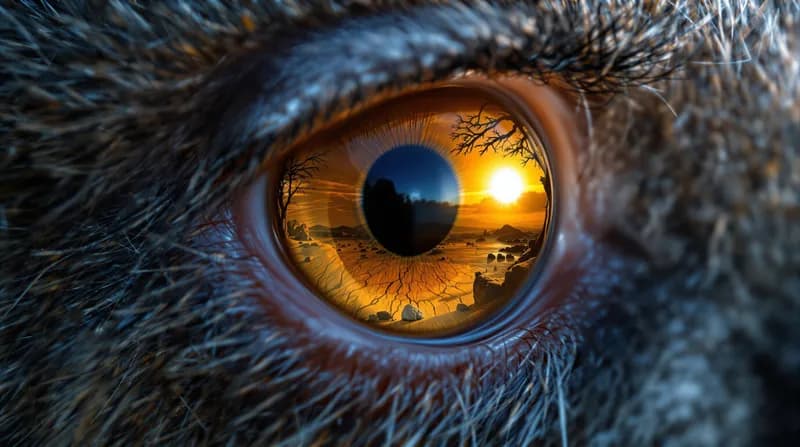
New genomic research has fundamentally altered our understanding of the koala's evolutionary history. A comprehensive DNA study indicates that the iconic Australian species nearly went extinct approximately 100,000 years ago, a period significantly predating the arrival of humans on the continent.
A Genetic Bottleneck
By calculating the koala's mutation rate for the first time, scientists analyzed hundreds of genomes to trace the species' lineage. The findings suggest that every living koala today is descended from a remarkably small group of ancestors that survived intense environmental changes. This genetic bottleneck occurred during a time of extreme climate shifts, which decimated the population across most of its range.
Resilience and Repopulation
Following this prehistoric collapse, the surviving remnant population eventually expanded to repopulate eastern Australia. While modern koalas face significant threats from habitat loss and disease, this study highlights a historical resilience to climate-driven pressure, while also emphasizing the limited genetic diversity resulting from their ancient brush with extinction.