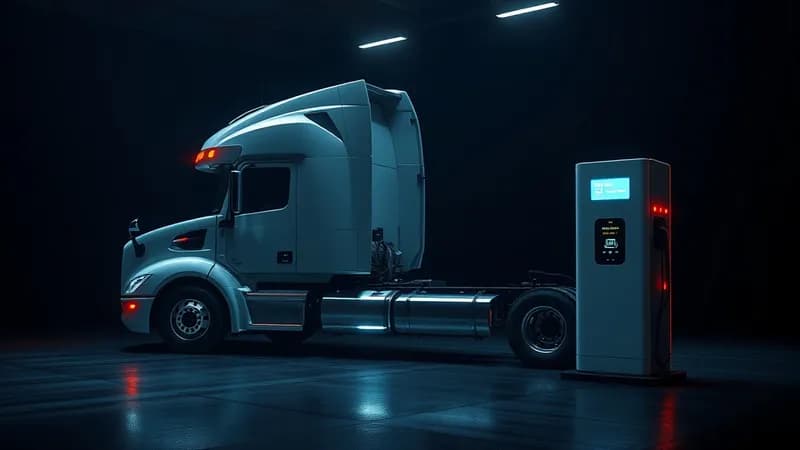
The Megawatt Charging System (MCS) is currently positioning itself as the primary global standard for high-power charging in the electric trucking sector. Designed to provide the rapid energy transfer required for heavy-duty logistics, MCS is expected to be the backbone of long-haul electrification.
Emerging Challengers and Specialized Solutions
Despite the momentum behind MCS, it is not the only high-capacity technology in development. Engineers are currently exploring specialized concepts, including ultra-high-power six-megawatt connectors designed for extreme duty cycles. These systems aim to push the boundaries of current thermal management and power delivery.
Furthermore, automated underbody charging is gaining traction as a potential alternative for specific applications. By removing the need for manual handling of heavy cables, these systems could offer a more seamless experience for fleet operators, particularly in automated hubs or regional distribution centers where efficiency is paramount.
The Future of Heavy-Duty Infrastructure
While MCS remains the frontrunner for standardized public infrastructure, the industry is increasingly looking at a fragmented ecosystem where multiple technologies coexist. The final landscape for megawatt charging will likely depend on whether these niche technologies can offer enough efficiency or cost benefits to justify moving away from a single, unified standard.