Research from Cincinnati Children's Hospital suggests that indigo light could play a crucial role in preventing myopia, particularly in children. The study found that tree shrews exposed to specific wavelengths of indigo light did not develop nearsightedness, implying potential applications for redesigning indoor lighting aimed at protecting children's eye health.
Key Findings
- Indigo light, defined as wavelengths between 419 to 446 nanometers, significantly prevented the onset of myopia in tree shrews, which share similar eye anatomy and function with humans.
- Current indoor lighting, primarily based on white LEDs, peaks at around 450 nanometers, lacking sufficient indigo light. This deficiency may impact eye development and increase the risk of myopia.
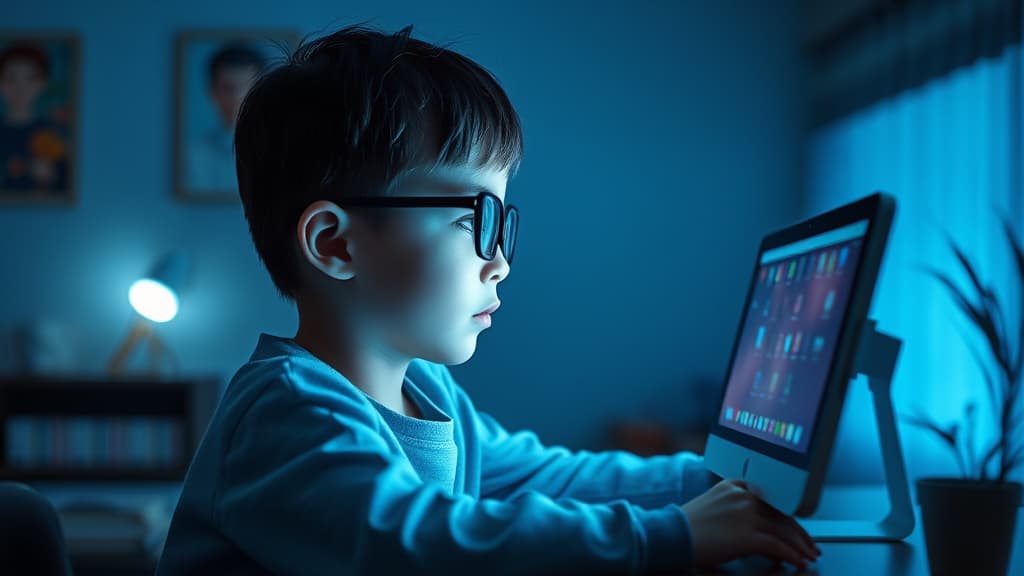
- Increasingly, forecasts show that nearly half of the global population could be myopic by 2050, largely due to increased indoor activities and screen exposure among children.
- The next phase of research will test indigo-enriched lighting in daycare centers to evaluate its effectiveness in reducing myopia rates compared to traditional lighting.
- Dr. Richard Lang and his team, in collaboration with the University of Alabama at Birmingham, are investigating ways to replicate the full spectrum of sunlight to improve indoor lighting for children's visual health.
Why It Matters
This research highlights a potentially simple yet effective approach to addressing a growing global health issue. By augmenting indoor environments with indigo light, there may be significant implications for children's long-term vision health, potentially curbing the rising epidemic of myopia.
Source
For more details, visit Science Daily.