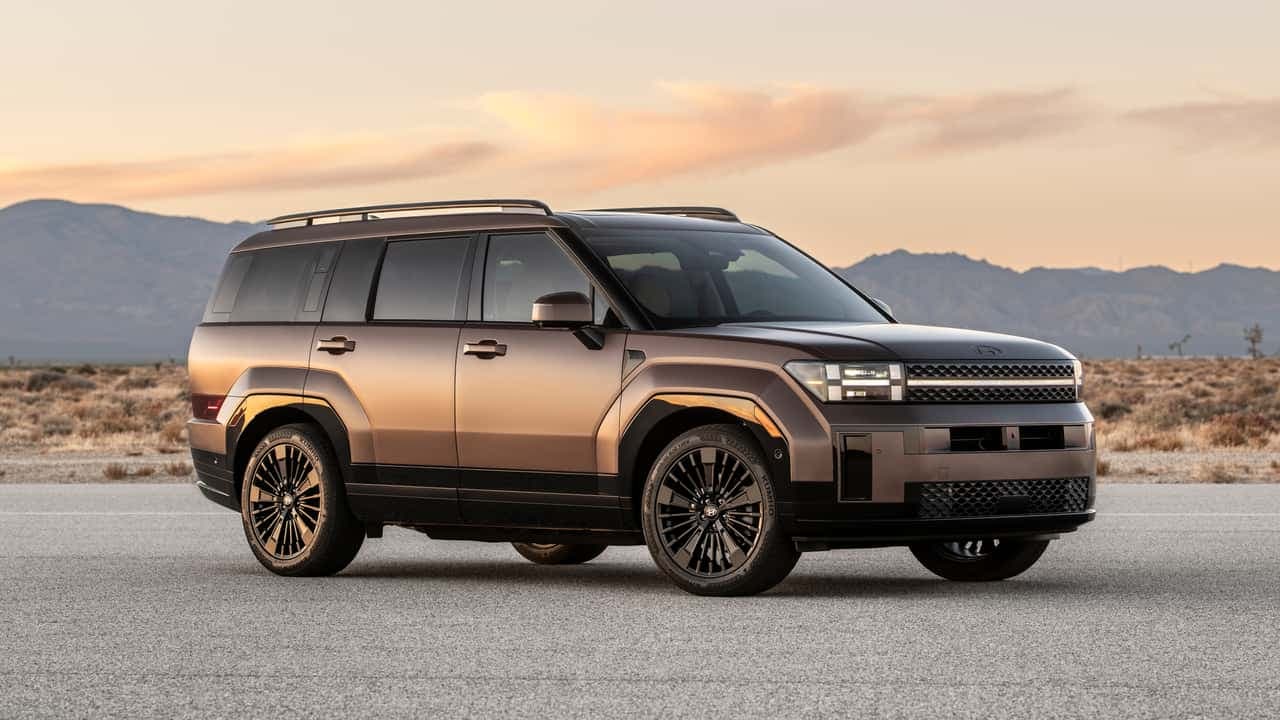
Hyundai is planning to launch dozens of new or refreshed models in North America, including the new Santa Fe extended-range electric vehicle (EREV). This model aims to alleviate range anxiety with over 600 miles of range using both a full battery charge and a gasoline tank.
The announcement was made at Hyundai’s CEO Investor Day in Seoul, where the automaker detailed its ambitious plans to release 58 new or refreshed models in North America by 2030. Scheduled to be manufactured at Hyundai's Alabama plant and debut next year, the Santa Fe EREV is part of a broader move back towards EREVs as the electric vehicle market navigates challenges.
Key Features of the Santa Fe EREV
- Range: Over 600 miles of combined range from electricity and gasoline.
- Powertrain: A large high-voltage battery and electric drive units, along with a gasoline engine that acts as a generator.
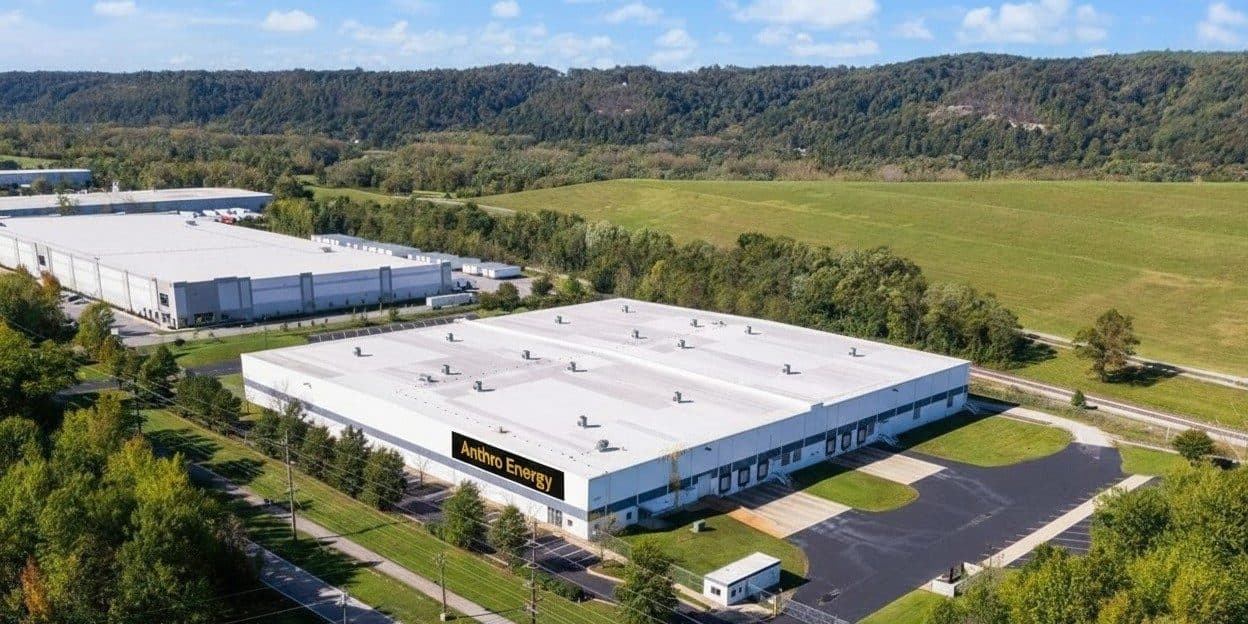
- Manufacturing: To be built in the U.S. at the Alabama plant.
- Battery Technology: Uses high-nickel battery cells designed to reduce charging times by 40%.
- Cost Efficiency: New mid-nickel battery cells will reduce costs by 30% while maintaining performance.
This EREV model is expected to address common concerns about electric vehicles, particularly for drivers who frequently tow or haul heavy loads over long distances. The mixed powertrain approach combines electric capabilities with the convenience of gasoline refueling.
Hyundai's plans come in response to increasing competition in the EV and EREV markets. Other manufacturers, such as Ford and Ram, are also set to release EREVs like the next-generation Ford F-150 Lightning and the Ram 1500 REV, increasing the variety of options for consumers.
Future Innovations
Besides the Santa Fe EREV, Hyundai is expanding its electric and autonomous vehicle portfolio significantly. This includes plans to roll out the Ioniq 5 robotaxis in partnership with Waymo by the end of this year. The automaker also announced the development of a new AI data center in Korea, which will support its autonomous vehicle initiatives through extensive data collection and processing.
Why It Matters
The reintroduction of EREVs like the Santa Fe reflects a strategic shift in how automakers are approaching electric mobility. With growing consumer concern over range limitations, combining electric and gasoline power offers a viable solution while also introducing advanced battery technologies aimed at improving efficiency.
This segment growth may provide a bridge for consumers transitioning from traditional internal combustion vehicles to fully electric options, enhancing user confidence in the viability of electric vehicles.