A New Frontier in Neuroimmunology
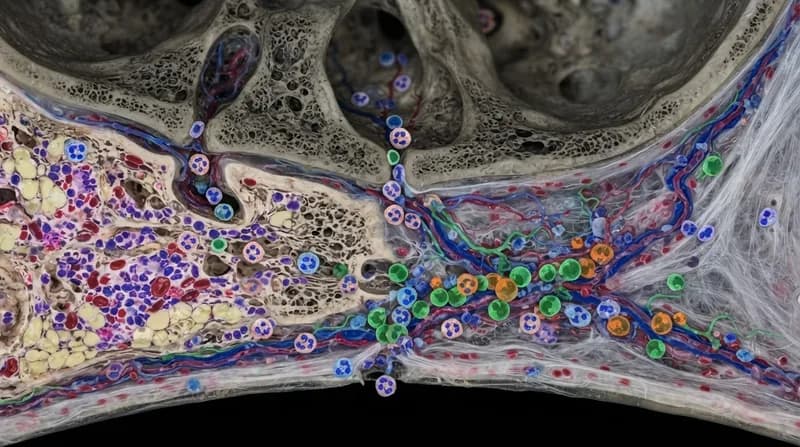
For decades, the prevailing scientific consensus suggested that the brain was effectively quarantined from the body’s immune system. However, a groundbreaking discovery by researchers at the Washington University School of Medicine in St. Louis is shattering that outdated paradigm. The study, published in the journal Nature, reveals the existence of previously unrecognized, lymph node-like immune structures nestled deep within the marrow of the skull.
These immune "security stations" serve as a critical frontline defense mechanism. By observing mice, researchers discovered that these hubs act as rapid first responders, detecting brain-specific threats and mounting an immune response long before the rest of the body’s circulatory system is even alerted to the danger. This proximity allows for a localized, highly efficient defense against pathogens and malignant cells.
The Mechanism of Skull-Based Defense
The discovery is the culmination of years of research into the physiological connections between the brain and the skull. Previous work from the same laboratory had already identified specialized lymphatic vessels in the dura mater, as well as tiny microscopic channels that bridge the skull, the brain's protective outer layer, and the bone marrow itself. This intricate network serves as a superhighway for immune cells and cellular waste, facilitating direct communication between the brain’s immediate environment and the skull's bone marrow.
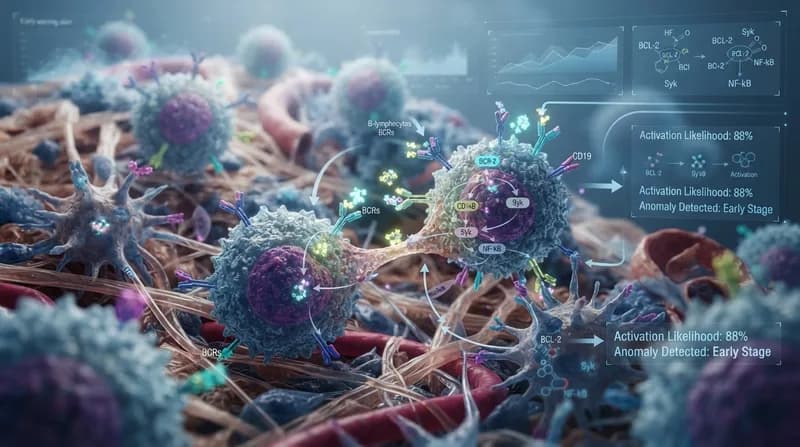
Within these newfound structures, the researchers observed organized clusters of immune cells that function similarly to peripheral lymph nodes. In these hubs, T follicular helper cells actively support B cells to produce high quantities of protective antibodies. This specialized organization in the bone marrow was entirely unexpected in healthy subjects and underscores the unique immunological requirements of the central nervous system.
Why It Matters
- Localized Response: These hubs provide an immediate, dedicated immune response to brain tumors, potentially outperforming systemic treatments.
- Direct Targeting: The proximity of these structures to the brain suggests that medical therapies could be delivered directly to the skull to influence neurological immunity without inducing widespread, body-wide side effects.
- Broad Clinical Potential: While current research focuses on glioblastoma, the findings may pave the way for new therapeutic approaches for Alzheimer’s, Parkinson’s, and other conditions involving neuroinflammation.
Experimental Breakthroughs and Future Outlook
To confirm the functional necessity of these hubs, the research team tested their hypothesis using a mouse model of glioblastoma, a highly aggressive and often fatal brain cancer. When the skull immune hubs were pharmacologically disrupted, the researchers observed a marked increase in tumor growth and a reduction in the subjects' survival rates. This confirmed that the hubs are not just anatomical oddities, but active, essential participants in tumor rejection.
Taking the research a step further, the scientists developed a specialized, gel-based treatment containing immune-boosting proteins. When applied beneath the scalp, this material successfully activated the skull’s immune hubs, prompting a surge in antibody production that targeted the glioblastoma tumors. This localized intervention led to significantly higher survival rates compared to control groups, proving that the body’s internal defense system can be artificially bolstered at the site of the skull. This discovery not only provides a blueprint for future cancer therapies but fundamentally shifts our understanding of the brain's relationship with the immune system, offering a promising, localized pathway for treating complex neurological disorders.