E-BUZZ ME Logo
ScienceTechnical Deep Dive

Geriatric Patients Successfully Manage Digital Nutrition Apps with Age-Appropriate Design

Published
Geriatric Patients Successfully Manage Digital Nutrition Apps with Age-Appropriate Design
1 min read178 words

The Gist

A new study challenges the assumption that older adults lack the tech literacy to use digital health tools, proving that geriatric patients can independently manage nutrition apps.

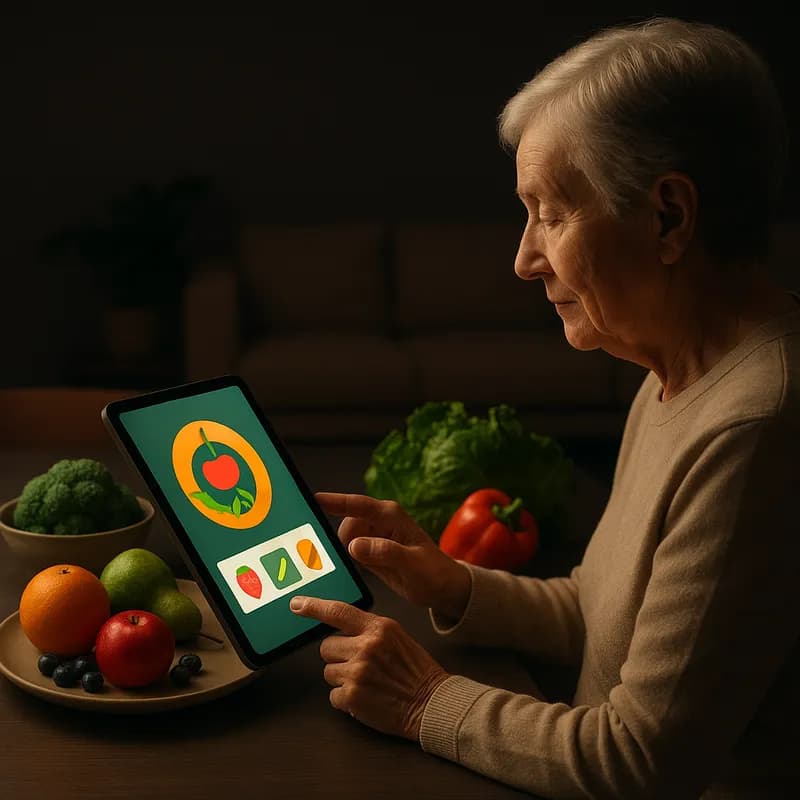
In an era of rapid digital health expansion, older adults are often excluded from technological solutions due to perceived barriers in tech literacy. However, a new prospective pilot study published in JMIR Aging suggests that these assumptions may be misplaced. The research indicates that even clinically burdened geriatric patients—those recovering from the physical and psychological demands of post-acute rehabilitation—can successfully navigate mobile applications when the tools are designed with their specific needs in mind.

Design Over Age Barriers

The study focused on whether geriatric patients could independently use digital tools to manage their nutrition. The findings reveal that the primary obstacle is not the age or clinical condition of the user, but rather the design of the interface. By prioritizing age-appropriate layouts and intuitive functionality, developers can empower older populations to take an active role in their health recovery and maintenance.

This research highlights a significant opportunity for the healthcare industry to broaden the reach of digital therapeutics. As the population ages, creating inclusive digital health ecosystems will be essential for improving outcomes in post-acute care and beyond.


Related Stories

Semantically matched articles, ranked by topic overlap and freshness.

Biological Age Linked to Weight Loss Success in New Study
Science66%

Biological Age Linked to Weight Loss Success in New Study

A recent study suggests that individuals with a biological age younger than their chronological age may lose more weight when following calorie-restricted diets.

Sulfur-Based Compound Identified as Potential Breakthrough for Aging Muscle Repair
Science64%

Sulfur-Based Compound Identified as Potential Breakthrough for Aging Muscle Repair

Researchers have discovered a compound named LASSS that protects proteins essential for muscle recovery, offering hope for combating age-related muscle loss.

Longevity-Linked APOE2 Gene Found to Shield Brain from Aging and Alzheimer’s
Science62%

Longevity-Linked APOE2 Gene Found to Shield Brain from Aging and Alzheimer’s

Researchers have discovered that the APOE2 gene variant protects neurons by reducing DNA damage and enhancing stress recovery, offering a potential blueprint for new Alzheimer’s therapies.

U.S. Schools Struggle with Concussion Support for Returning Students
Science61%

U.S. Schools Struggle with Concussion Support for Returning Students

A new study reveals that many public schools lack the necessary policies and staff training to support students recovering from concussions.

Self-Sampling Significantly Boosts HPV Detection and Screening Rates
Science61%

Self-Sampling Significantly Boosts HPV Detection and Screening Rates

A new clinical trial reveals that offering patients the option to self-sample for HPV leads to a dramatic increase in high-risk virus detection and overall screening participation.

AI Aids Stanford Researchers in Discovering Natural Weight Loss Molecule
Science59%

AI Aids Stanford Researchers in Discovering Natural Weight Loss Molecule

Stanford scientists have identified a natural molecule that mimics the weight-loss effects of Ozempic with fewer side effects by targeting specific brain regions.

GLP-1 Weight Loss Drugs Linked to Increased Risk of Hair Loss
Science59%

GLP-1 Weight Loss Drugs Linked to Increased Risk of Hair Loss

A large-scale study reveals that popular GLP-1 medications like Ozempic and Mounjaro may carry a higher risk of alopecia compared to other diabetes treatments.

The Economic Hurdles Facing GLP-1 Weight Loss Drugs
Science59%

The Economic Hurdles Facing GLP-1 Weight Loss Drugs

While drugs like Ozempic and Wegovy offer significant health benefits, their high costs pose a major challenge to insurance budgets and patient access.