E-BUZZ ME Logo
ScienceTechnical Deep Dive

Frequent Midlife TV Viewing Linked to Reduced Brain Volume in Later Years

Published
Frequent Midlife TV Viewing Linked to Reduced Brain Volume in Later Years
1 min read146 words

The Gist

A study of 1,700 adults suggests that heavy television consumption during middle age may lead to significant shrinkage in brain regions responsible for memory and decision-making.

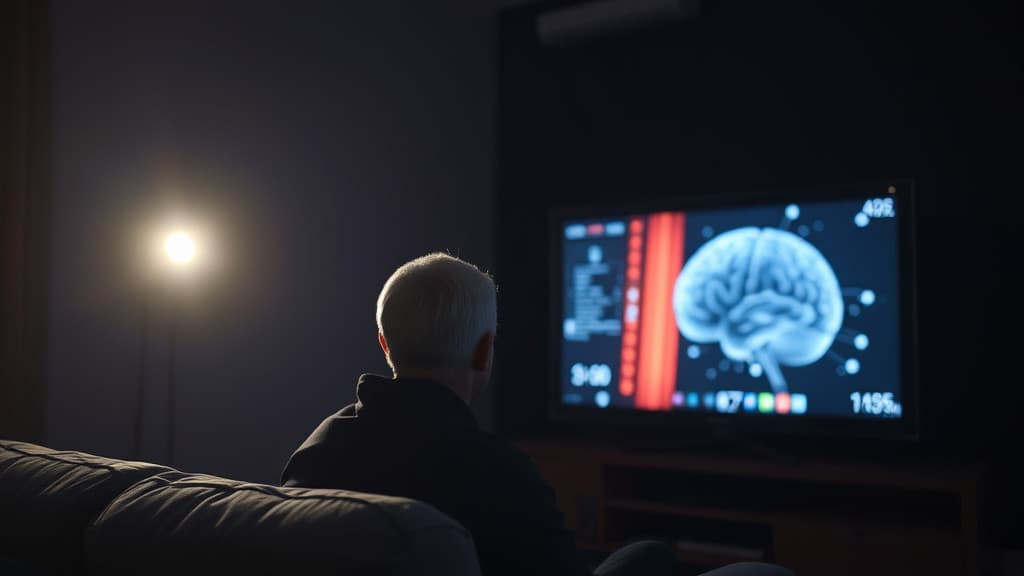
New research involving approximately 1,700 adults indicates a potential link between high levels of television consumption during midlife and adverse neurological changes decades later. The study found that individuals who frequently watched TV showed smaller brain volumes in areas critical for memory, decision-making, and visual processing as they aged.

The Role of Cognitive Engagement

In addition to reduced gray matter, frequent viewers exhibited increased signs of damage to the brain's white matter, which is essential for communication between different neural regions. Interestingly, the study suggests that the act of sitting itself may not be the primary culprit for these changes.

Data showed that individuals who spent long hours seated but remained mentally active—such as those in cognitively demanding professions—tended to maintain healthier brain patterns. This suggests that the passive nature of television viewing, rather than general sedentary behavior, is what may negatively impact long-term brain health.


Related Stories

Semantically matched articles, ranked by topic overlap and freshness.

The Impact of Ultra-Processed Foods on Long-Term Brain Health
Science73%

The Impact of Ultra-Processed Foods on Long-Term Brain Health

New research highlights a concerning link between ultra-processed diets and increased risks of depression, anxiety, and dementia.

Working Memory Rapidly Re-Prioritizes After Distractions, New Study Reveals
Science70%

Working Memory Rapidly Re-Prioritizes After Distractions, New Study Reveals

A new study highlights the brain's remarkable ability to swiftly update working memory priorities to maintain focus on immediate tasks despite frequent interruptions.

Mapping the Mind: Two Neural Pathways Explain Habit Formation
Science68%

Mapping the Mind: Two Neural Pathways Explain Habit Formation

New research identifies the specific brain mechanisms that transition deliberate actions into automatic routines, explaining why some habits feel harder to break than others.

Innovative Treadmill Therapy Shows Promise for PTSD Recovery
Science66%

Innovative Treadmill Therapy Shows Promise for PTSD Recovery

Researchers at the University of Alberta have found that combining physical motion with memory confrontation significantly improves PTSD treatment outcomes.

Early Childhood Infections Linked to the Sibling Earnings Gap
Science64%

Early Childhood Infections Linked to the Sibling Earnings Gap

New research suggests that the lower average earnings of younger siblings may be driven by exposure to respiratory infections brought home by their older brothers and sisters.

Innovative Eye Implant and High-Tech Glasses Approved to Combat Vision Loss
Science64%

Innovative Eye Implant and High-Tech Glasses Approved to Combat Vision Loss

A breakthrough eye implant and smart glasses system has received European regulatory approval, offering hope to those suffering from severe age-related vision loss.

Young Adults Struggle with Healthcare Independence, New Poll Finds
Science64%

Young Adults Struggle with Healthcare Independence, New Poll Finds

A University of Michigan poll reveals that many young adults aged 18–25 lack the basic skills necessary to manage their own medical needs without parental assistance.

A $9 Physical Key Designed to Lock Your Most Addictive Apps
Artificial Intelligence62%

A $9 Physical Key Designed to Lock Your Most Addictive Apps

A new NFC-based physical key aims to curb smartphone addiction by requiring a manual scan to unlock distracting applications.