E-BUZZ ME Logo
Electric VehiclesTechnical Deep Dive

Federal Regulators Require Tesla to Address Excessively Bright Headlights

Published
Federal Regulators Require Tesla to Address Excessively Bright Headlights
1 min read161 words

The Gist

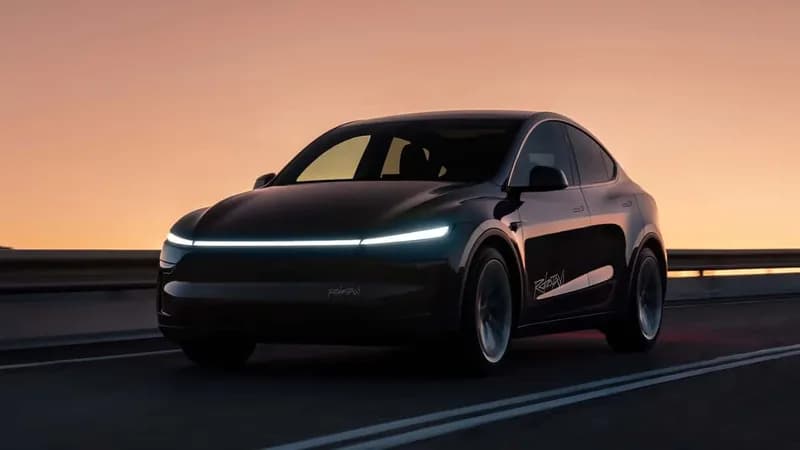
Despite Tesla's claims that its ultra-bright headlights were 'inconsequential' to road safety, federal regulators are now mandating a fix for the issue.

Tesla is facing new regulatory pressure to modify its high-intensity headlight systems. Federal authorities have officially moved to require a correction, dismissing the automaker's previous assertions that the brightness levels did not pose a significant safety risk.

The Conflict Over Visibility

Tesla had initially characterized the intensity of its headlights as an 'inconsequential' deviation from safety standards. However, the National Highway Traffic Safety Administration (NHTSA) has maintained that glare from overly bright LEDs can temporarily blind oncoming drivers, creating hazardous conditions on the road.

A Regulatory Shift

The mandate comes at a time when automotive lighting regulations are undergoing significant changes. A new law regarding adaptive driving beam (ADB) headlights could provide a long-term solution, allowing for smarter lighting systems that adjust brightness dynamically to avoid dazzling other motorists while maintaining high visibility for the driver.

For now, Tesla must bring its current fleet into compliance with existing brightness limits, likely through over-the-air software updates or physical hardware adjustments where necessary.

Related Stories

Semantically matched articles, ranked by topic overlap and freshness.

NHTSA Rejects Tesla Door Release Investigation, Proposes Industry-Wide Safety Updates
Electric Vehicles75%

NHTSA Rejects Tesla Door Release Investigation, Proposes Industry-Wide Safety Updates

Federal regulators have denied a petition for a defect investigation into Tesla Model 3 door releases but will initiate new safety standards for all vehicles.

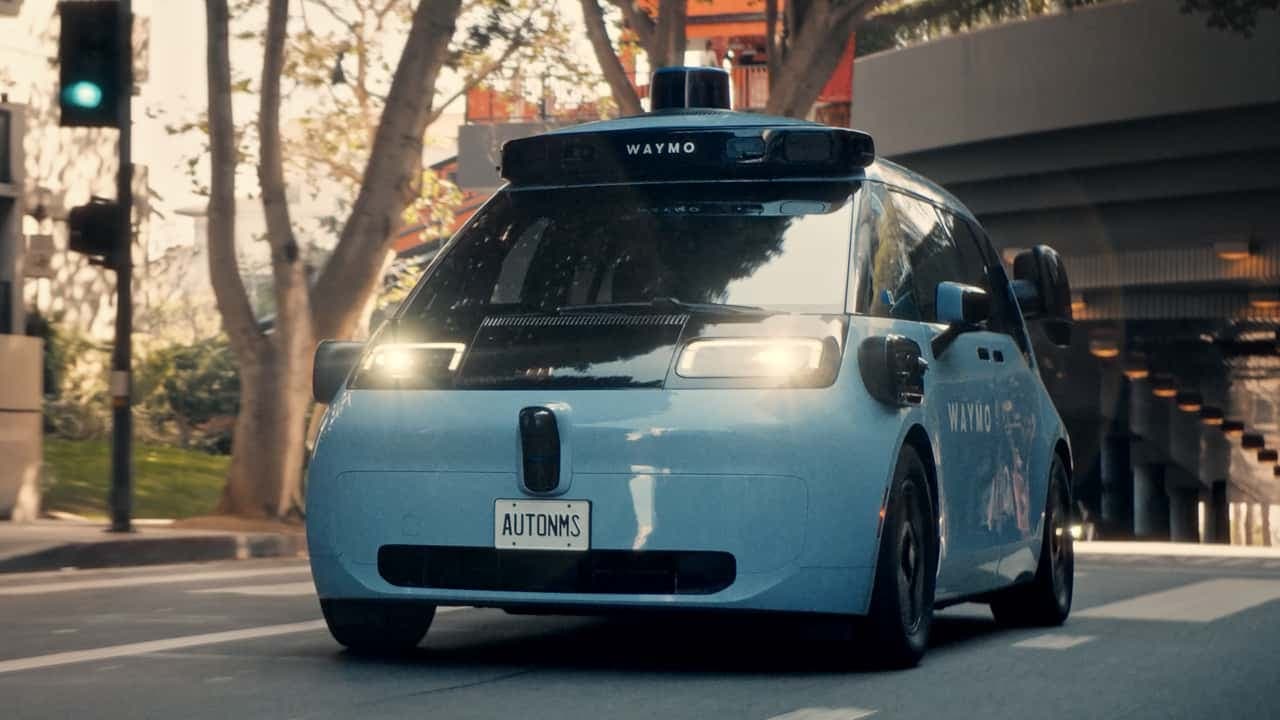
Waymo's Austin Robotaxi Fleet Faces Significant Fines Over Parking Violations
Electric Vehicles68%

Waymo's Austin Robotaxi Fleet Faces Significant Fines Over Parking Violations

Waymo’s self-driving taxis in Austin are reportedly struggling with local parking regulations, leading to thousands of dollars in penalties.

Massachusetts to Launch Program Paying EV Owners for Grid Support
Electric Vehicles68%

Massachusetts to Launch Program Paying EV Owners for Grid Support

A new initiative in Massachusetts will allow electric vehicle owners to earn incentives by discharging battery power back into the grid during peak demand.

Elon Musk Hints at Potential Tesla-SpaceX Merger During Q2 Call
Electric Vehicles67%

Elon Musk Hints at Potential Tesla-SpaceX Merger During Q2 Call

During Tesla's Q2 2026 earnings call, Elon Musk addressed growing speculation regarding a merger with SpaceX, citing increasing operational overlap between the two giants.

BMW Expands U.S. Footprint with Localized iX5 Battery Production
Electric Vehicles64%

BMW Expands U.S. Footprint with Localized iX5 Battery Production

BMW reaffirms its commitment to electrification by establishing domestic battery manufacturing for the upcoming iX5 in the United States.

Australia Invests AU$30 Million in Smart Grid and Electromobility Projects
Electric Vehicles64%

Australia Invests AU$30 Million in Smart Grid and Electromobility Projects

The Australian government is funding 14 innovative projects to modernize the national electricity network through smart charging and vehicle-to-grid technologies.

Hyundai and Kia Unveil AllDayEnergy Brand for Smart and Bidirectional Charging
Electric Vehicles64%

Hyundai and Kia Unveil AllDayEnergy Brand for Smart and Bidirectional Charging

Hyundai Motor Group has launched AllDayEnergy, a new unified brand dedicated to smart charging and vehicle-to-everything (V2X) technologies.

Amazon Seeks FCC Approval for Satellite-to-Phone Service
Tech & Gadgets64%

Amazon Seeks FCC Approval for Satellite-to-Phone Service

Amazon has filed a request with the FCC to launch a 5,000-satellite constellation designed to provide direct-to-device mobile connectivity from space.