ScienceTechnical Deep Dive

Faecal Transplants from Young Mice Improve Brain Plasticity in Older Mice

Published
EElectricBuzz Editorial Team
Faecal Transplants from Young Mice Improve Brain Plasticity in Older Mice
1 min read59 wordsElectricBuzz Editorial Team

The Gist

“Older mice receiving faecal microbiome transplants from young mice show improved brain plasticity, hinting at new treatments for neurological conditions.”

A recent study demonstrates that older mice given faecal microbiome transplants from younger mice experience enhanced brain plasticity. This advancement in brain function suggests a potential approach to reversing neurological conditions typically only treatable during childhood.

The findings underscore the significant influence of the gut microbiome on brain health and open new possibilities for interventions targeting age-related neurological decline.


SPONSORED
The 5 Best Over-Ear ANC Headphones of 2026, Tested & Ranked
Editor's Pick Guide
92/100
Tech & Gadgets•12 min read

The 5 Best Over-Ear ANC Headphones of 2026, Tested & Ranked

We locked five over-ear ANC picks for 2026 — Sony WH-1000XM6, Bose QuietComfort Ultra 2, Soundcore Space One, Sennheiser Momentum 5, and Apple AirPods Max 2 — then stress-tested them on lab metrics, long-term owner truth, and live street prices.

Related Stories

Semantically matched articles, ranked by topic overlap and freshness.

Hidden in Plain Sight: Researchers Unmask Secret Stick Insect Species
Science

Hidden in Plain Sight: Researchers Unmask Secret Stick Insect Species

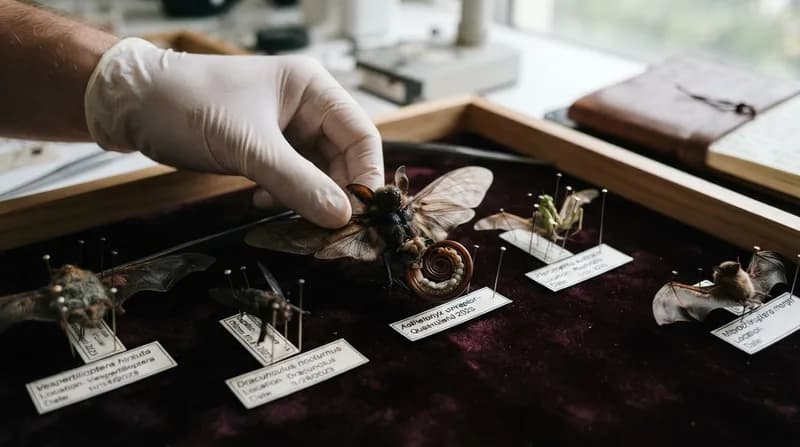
A groundbreaking taxonomic study has revealed that what scientists thought were two species of Australian stick insects actually represent five, including one with bizarre lidded eggs.

Silent Threat: Massive Study Reveals Early Artery Disease in Young Adults
Science

Silent Threat: Massive Study Reveals Early Artery Disease in Young Adults

A groundbreaking international study indicates that atherosclerosis, the root cause of most heart attacks, begins much earlier in life than previously understood, affecting 1 in 13 young adults.

Military-Grade Innovation: The 'Plant Armor' Boosting Strawberry Harvests
Science

Military-Grade Innovation: The 'Plant Armor' Boosting Strawberry Harvests

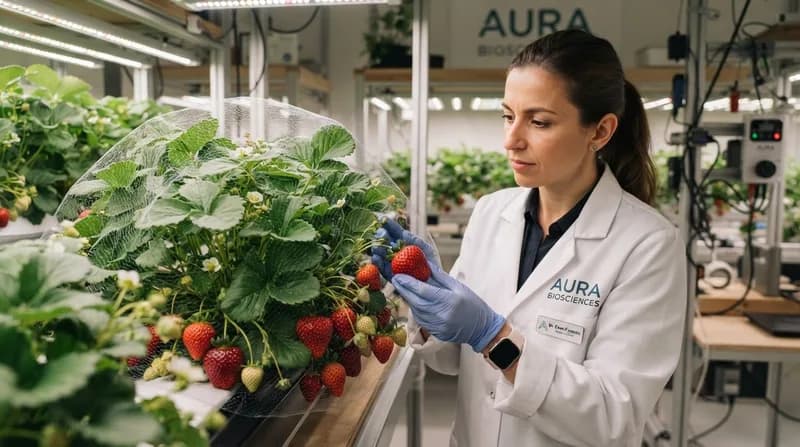
Researchers at NC State have developed a revolutionary 3D-knit textile that triples fruit yields while drastically reducing the need for chemical pesticides.

Dietary Shifts and Mental Wellness: The Potential Link Between Nutrition and Depression
Science

Dietary Shifts and Mental Wellness: The Potential Link Between Nutrition and Depression

A preliminary study from UCSF suggests that swapping ultra-processed foods for whole-food alternatives may lead to significant improvements in depression and anxiety symptoms.

NASA and SpaceX Gear Up for Record-Breaking Crew-13 Station Transit
Science

NASA and SpaceX Gear Up for Record-Breaking Crew-13 Station Transit

NASA’s upcoming Crew-13 mission is poised to set a new speed record for human transit to the International Space Station, aiming for an arrival just under eight hours after liftoff.

Breakthrough in Endocrinology: Lab-Grown Pituitary Tissue Successfully Restores Hormone Function in Primates
Science

Breakthrough in Endocrinology: Lab-Grown Pituitary Tissue Successfully Restores Hormone Function in Primates

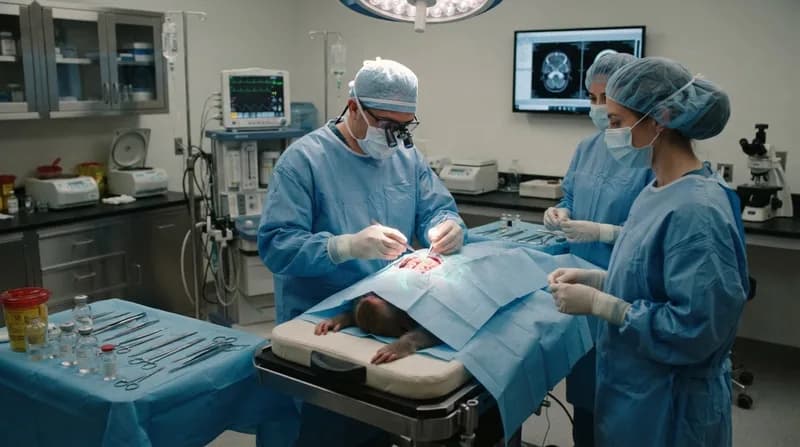
Researchers at Nagoya University have successfully transplanted human stem-cell-derived pituitary tissue into a primate model, marking a significant milestone in treating hypopituitarism.

Molecular Gatekeepers: How Immune Cells Safely Direct DNA Mutations
Science

Molecular Gatekeepers: How Immune Cells Safely Direct DNA Mutations

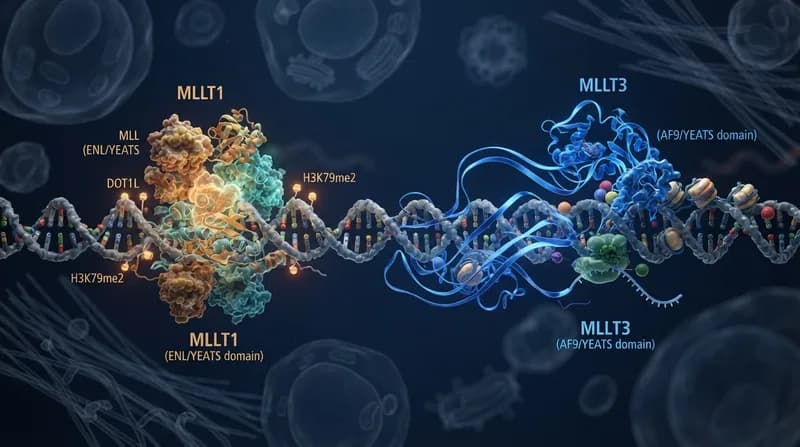
Researchers have identified two key proteins, MLLT1 and MLLT3, that act as molecular beacons, directing DNA-mutating enzymes to specific genes to boost antibody diversity while preventing cancer-causing collateral damage.

Could Your Dinner Plate Hold the Key to a Younger Brain?
Science

Could Your Dinner Plate Hold the Key to a Younger Brain?

A groundbreaking longitudinal study suggests that strictly following the MIND diet could effectively turn back the clock on cognitive aging by up to 2.5 years.