From Military Comfort to Agricultural Breakthrough
In a fascinating display of cross-disciplinary innovation, researchers at North Carolina State University have unveiled a new protective technology that is poised to change the face of berry farming. Known as Plant Armor, this specialized 3D-knit textile was originally conceptualized during research aimed at creating more comfortable military uniforms and effective body armor. By repurposing this textile engineering, scientists have managed to solve one of the most stubborn challenges in agriculture: maximizing crop production while minimizing environmental harm.
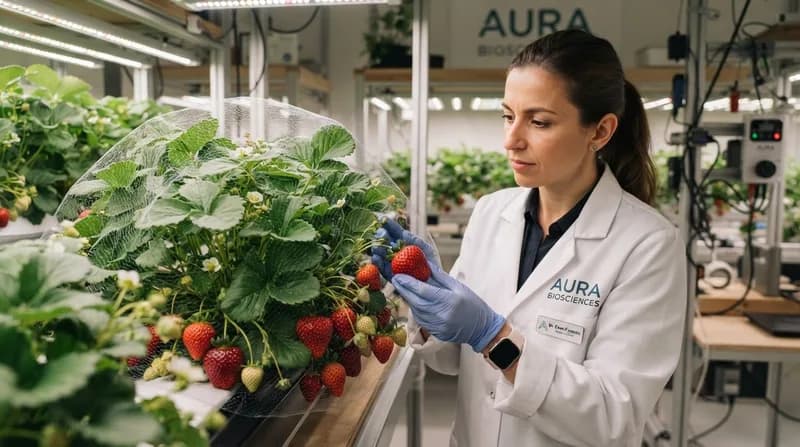
The fabric is designed to be placed directly over strawberry plants, acting as a physical shield. Unlike traditional plastic sheeting or fine mesh covers, the 3D-knit structure is highly engineered to be porous enough for essential environmental interactions. It allows for the unrestricted passage of sunlight, natural rainfall, and airflow, which are vital for healthy plant development. Despite these openings, the complexity of the fabric's structure creates a maze-like barrier that effectively prevents insects from reaching the delicate fruit, thereby reducing the dependency on synthetic pesticides.
Yields and Thermal Efficiency
The impact of this technology on actual field performance has been nothing short of remarkable. During rigorous tunnel field trials, strawberry plants shielded by Plant Armor saw their fruit production increase by as much as 3.56 times compared to their uncovered counterparts. What makes this feat particularly impressive is that it defies the common 'shade-avoidance' fear associated with covering crops. Typically, when plants are shielded from direct sunlight, they redirect their energy into growing stems and leaves instead of fruit. In this study, however, the fabric maintained optimal light availability, allowing the plants to focus entirely on berry production.
Furthermore, the material acts as a thermal regulator. Throughout the multi-season trials, the fabric consistently provided a warming effect that allowed plants to reach critical growth stages much earlier than those grown in exposed conditions. By optimizing the 'growing degree-days'—a metric used to track the accumulation of heat necessary for plant development—the fabric ensures the plants stay within their ideal biological comfort zone. This thermal stability translates into a more reliable and abundant harvest cycle, offering farmers a powerful tool to stabilize their output against unpredictable weather patterns.
Why it Matters
- Reduced Chemical Dependency: By acting as a mechanical barrier against pests, the textile provides a viable alternative to heavy pesticide use, supporting organic-friendly farming practices.
- Water Conservation: Initial research suggests that the controlled environment created by the fabric may also lead to more efficient water usage, helping farms cope with drought conditions.
- Cross-Industry Synergy: This breakthrough highlights how advancements in textile science, originally intended for human defense, can translate into massive gains for food security and agricultural productivity.
- Increased Efficiency: A 356% increase in yield per square foot allows for more intensive farming on smaller plots, potentially lowering the barrier to entry for local producers.
The project, which represents a collaboration between the College of Natural Resources, the Wilson College of Textiles, and the College of Agriculture and Life Sciences at NC State, has already been patented. As the agricultural industry faces increasing pressure to feed a growing population while lowering its environmental footprint, technologies like Plant Armor demonstrate that the future of farming lies in the marriage of high-tech material science and traditional agronomy.