The Gut-Brain Connection
Emerging research from the University of California, San Francisco (UCSF) is shedding light on a potential non-pharmaceutical intervention for mental health. A pilot study published in JAMA Psychiatry indicates that individuals struggling with depression may see marked improvements in their emotional well-being simply by altering their dietary habits. Specifically, researchers focused on the impact of reducing ultra-processed foods, a category of sustenance that currently dominates much of the modern diet.
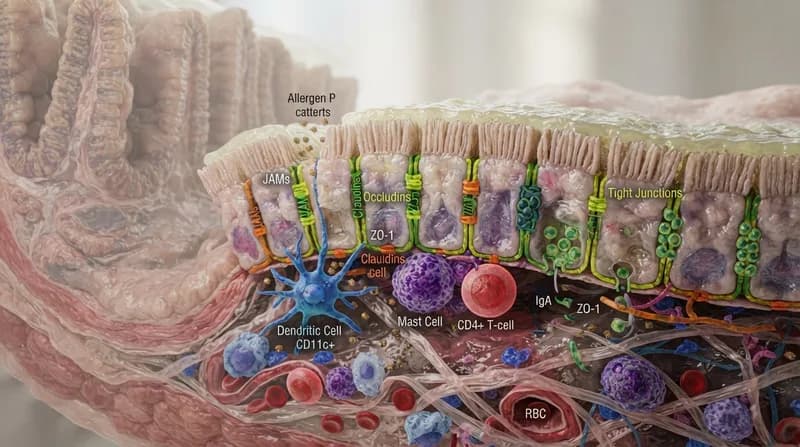
The study highlights a compelling biological hypothesis: the gut-brain connection. Scientists suspect that the additives, emulsifiers, and artificial ingredients found in processed snacks, fast food, and sugary beverages may compromise the integrity of the gut lining. This damage can trigger systemic, low-grade inflammation throughout the body. When this inflammation reaches the brain, it may either directly contribute to the onset of depression or increase an individual's vulnerability to it, creating a physiological ripple effect that impacts mental health.
Study Parameters and Observations
The research, funded by the National Institutes of Health, involved 20 participants who shared common challenges, including high body mass index (BMI) and pre-existing metabolic disorders such as hypertension or diabetes. The participants were divided into two groups, effectively acting as their own controls by switching between their standard diets and a regime low in ultra-processed foods over a four-week period. The results were noteworthy, with participants reporting an 85% reduction in their consumption of processed items during the experimental phase.
Across three distinct standardized measures for depression, participants showed moderate to significant symptom relief. There was also a recorded, albeit more modest, improvement in anxiety scores. While the study size was small, senior author Dr. Andrew Krystal noted that the research successfully proves the viability of this methodology, providing a framework for larger-scale investigations into how nutrition influences psychiatric outcomes.
Why it Matters
- Addictive Nature: Ultra-processed foods are engineered to be highly palatable. By balancing salt, sugar, and fat, these products trigger the release of dopamine, the brain's "pleasure hormone," making dietary changes notoriously difficult for many people.
- Systemic Health: Because ultra-processed foods are often cheap and convenient, they are disproportionately consumed by populations already facing metabolic health issues, creating a compounding effect on both physical and mental well-being.
- Future Outlook: With the success of this pilot study, the UCSF team is already setting the stage for a much broader phase-two trial, currently slated for enrollment in 2028. This upcoming research aims to provide more robust, generalizable data regarding the long-term mental health benefits of whole-food diets.
As the scientific community continues to explore the intersections of metabolic health and neurology, this research offers a hopeful avenue for integrated treatment plans. If further studies confirm these findings, dietary counseling could become a fundamental component of psychiatric care, emphasizing that the path to a healthier mind may very well start in the gut.