The Next Frontier in Rapid Charging
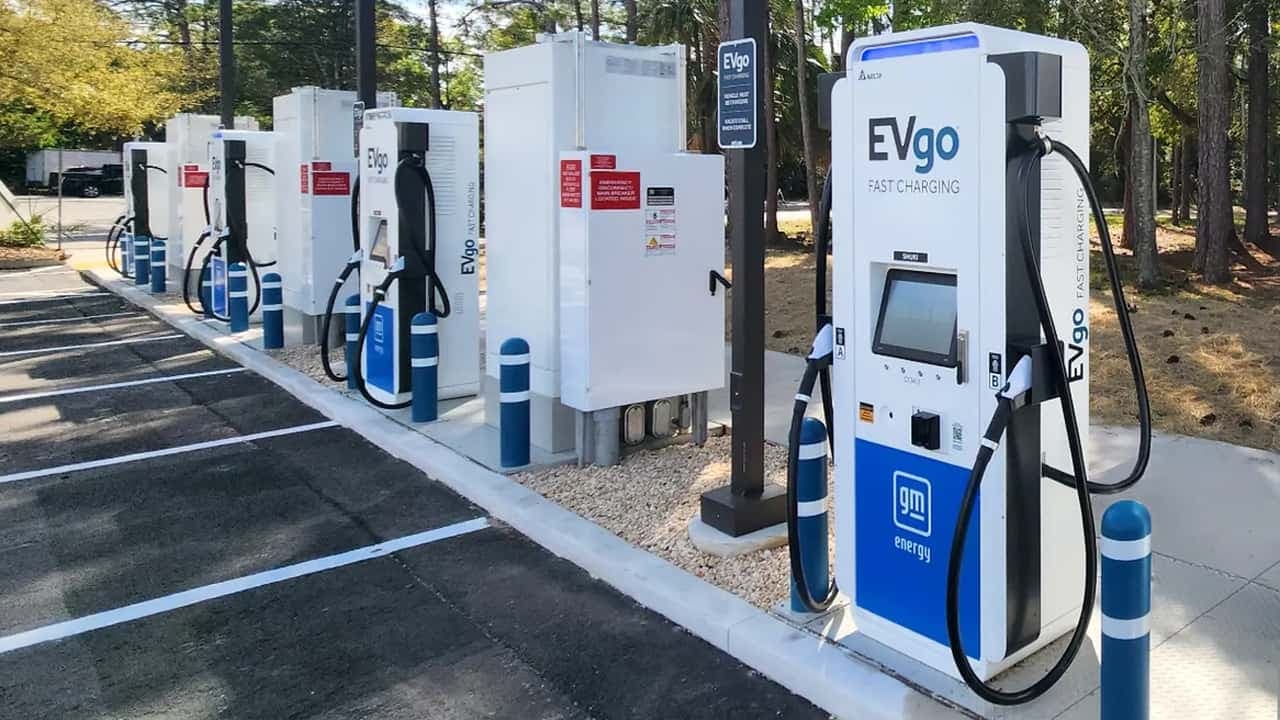
In a bold move to reshape the electric vehicle ownership experience, charging giant EVgo has unveiled plans to deploy a new generation of DC fast chargers capable of delivering a massive 750 kilowatts of power. This development represents a significant leap forward, effectively doubling the capacity of the company's current top-tier 350 kW systems. By designing and testing this proprietary hardware at its Innovation Lab in El Segundo, California, EVgo is positioning itself at the forefront of a necessary infrastructure evolution, aiming to address the range anxiety and time constraints that still deter many prospective EV adopters.
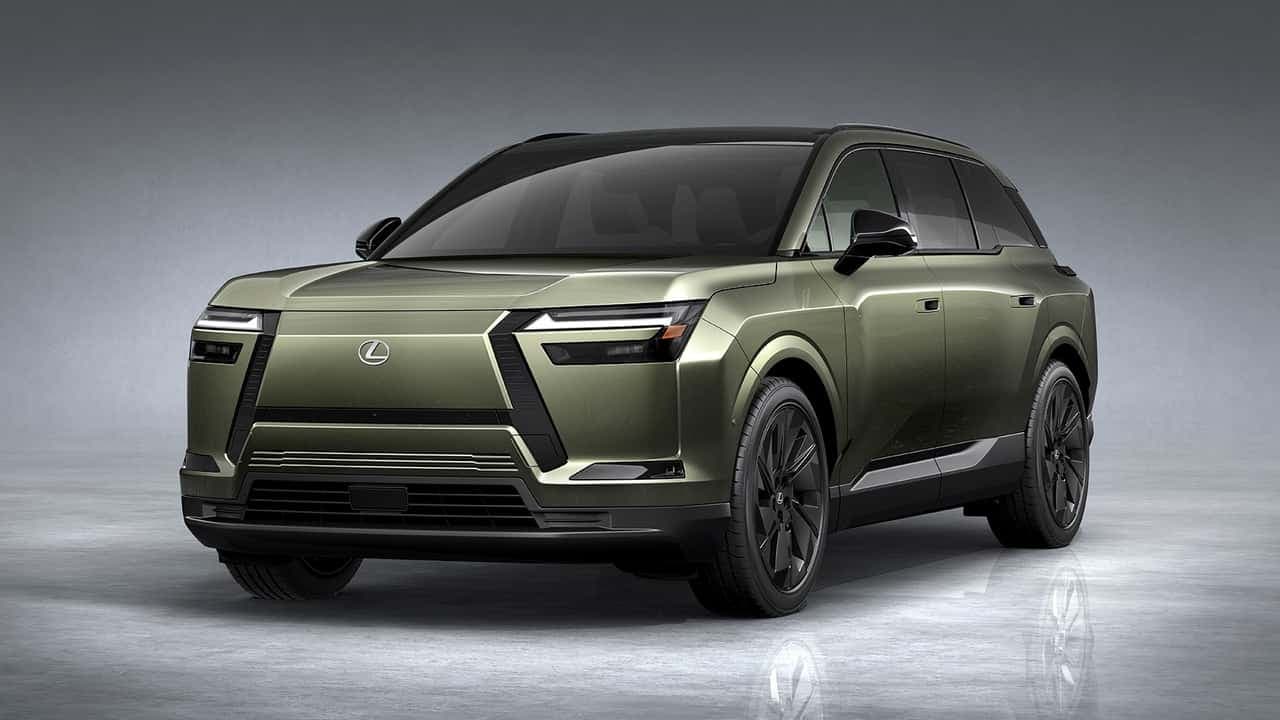
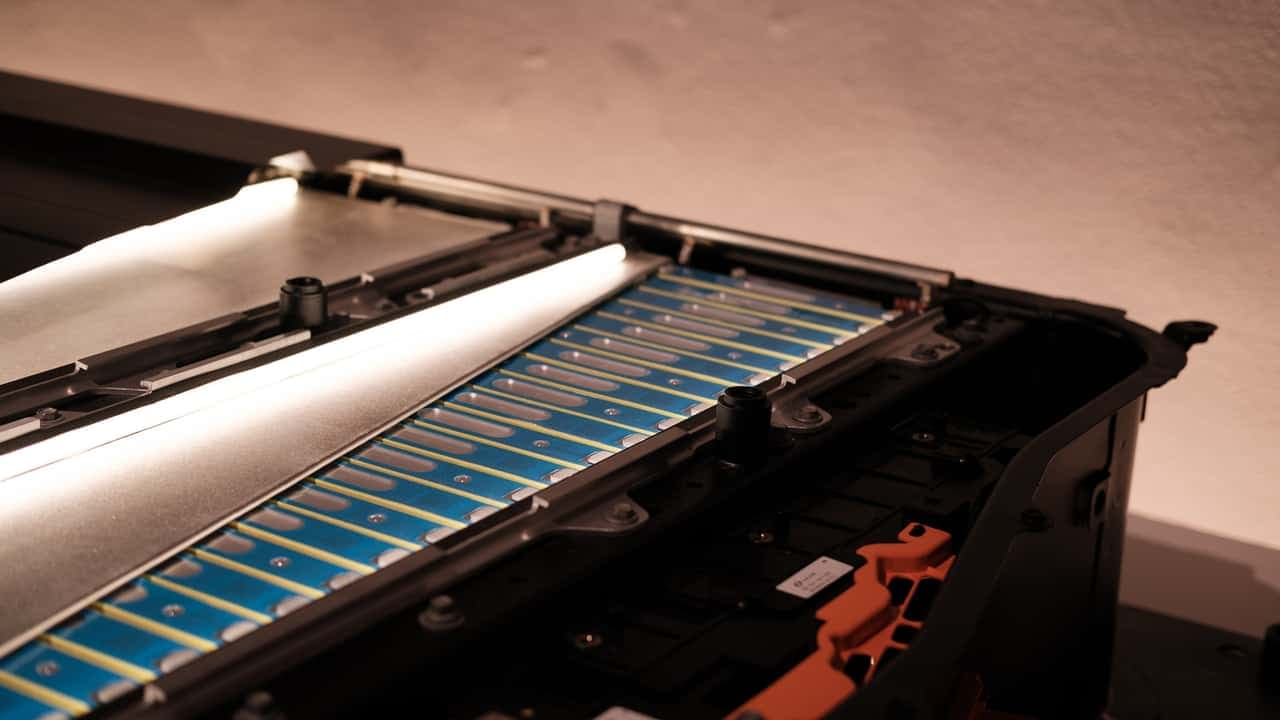
The sheer capability of these chargers serves as a strategic hedge against the rapid evolution of automotive battery technology. While the current U.S. market lacks production vehicles capable of accepting a 750 kW charge rate, industry trends suggest that power intake capacities are climbing quickly. By installing hardware that is already "future-ready," EVgo is ensuring that its network remains relevant as automotive manufacturers push for sub-10-minute charging sessions. This move is particularly vital for larger electric trucks and utility vehicles, which carry massive battery packs and stand to benefit most from high-output charging sessions that would otherwise take hours at legacy stations.
Smart Power Allocation and User-Centric Design
The technical heart of these new stations is a sophisticated dynamic power-sharing system. This intelligence allows the charging unit to recognize the maximum intake capacity of any connected vehicle and modulate the output accordingly. In a real-world scenario, this means that two cars plugged into the same station—for instance, one vehicle capable of drawing 400 kW and another limited to 250 kW—can be served simultaneously without the artificial throttling often found in older systems. This ensures that the grid-supplied energy is utilized as efficiently as possible, maximizing the throughput of the site during peak usage hours.
Beyond raw power, EVgo is placing a heavy emphasis on the user interface and hardware compatibility. The new stalls will feature a seamless touchless payment system, removing the friction associated with downloading proprietary smartphone apps or fiddling with credit card terminals. Furthermore, as the North American Charging Standard (NACS) becomes the industry benchmark, EVgo is committing to a wider integration of these connectors across its new hardware. This focus on compatibility and ease of use is intended to simplify the transition for drivers switching from legacy internal combustion engines to battery-electric platforms.
Why It Matters
- Reduced Downtime: The 750 kW architecture is designed to enable 10-minute charge sessions for the most advanced EVs, narrowing the gap between refueling an EV and a traditional gas vehicle.
- Intelligent Energy Distribution: Dynamic power sharing minimizes bottlenecks at charging stations, allowing multiple vehicles to draw their maximum possible power simultaneously.
- Future-Proofing: By deploying 750 kW capability now, EVgo eliminates the need for expensive infrastructure retrofits when vehicle battery architectures eventually move to higher voltage and intake standards.
- Broadening Accessibility: The integration of NACS connectors and touchless payment interfaces directly addresses the primary pain points of current EV charging infrastructure: interoperability and ease of use.
As the company moves toward the full unveil of the final production design and subsequent deployment in the coming year, the focus remains on scaling its existing footprint of over 5,300 ports across the United States. This technological upgrade is more than just a speed increase; it is an aggressive push to build a reliable, high-speed backbone for the next generation of American electric transportation.