EV Battery Lifespan Demystified: Landmark Study Reveals Which Models Age Most Gracefully
For prospective electric vehicle owners, the spectre of battery degradation often looms large, fueled by comparisons to aging smartphones or laptops. However, a groundbreaking new study encompassing 500,000 EV battery health tests delivers a resounding message of reassurance: modern EV batteries are remarkably resilient, consistently maintaining a high percentage of their original capacity even after tens of thousands of miles.
The extensive research, conducted by EV battery diagnostics firm Aviloo, compiled data from health checks performed on 20 popular electric car models across North America, South America, Europe, Asia, and Australia between 2022 and 2026. Aviloo’s state-of-health (SoH) scores precisely indicate the percentage of a battery’s original usable capacity still available, directly correlating to the vehicle’s remaining range on a full charge. The findings provide an invaluable global snapshot of real-world battery performance, debunking common myths about rapid degradation.
General Trends: Longevity is the Norm
One of the most comforting takeaways from the study is the overall robustness of EV batteries. Across all 20 models surveyed, and excluding just two outliers, the median battery health remained at roughly 94% or higher even after considerable mileage. The study tracked median SoH at three key milestones: 50,000 kilometers (approximately 31,068 miles), 100,000 km (62,137 miles), and 150,000 km (93,205 miles). This consistently high retention rate suggests that a typical EV can be expected to deliver over 90% of its original range and capacity for a significant portion of its life, alleviating concerns about premature battery replacement or substantial range loss.
The Leaders in Longevity: Hyundai Ioniq 5 Takes the Crown
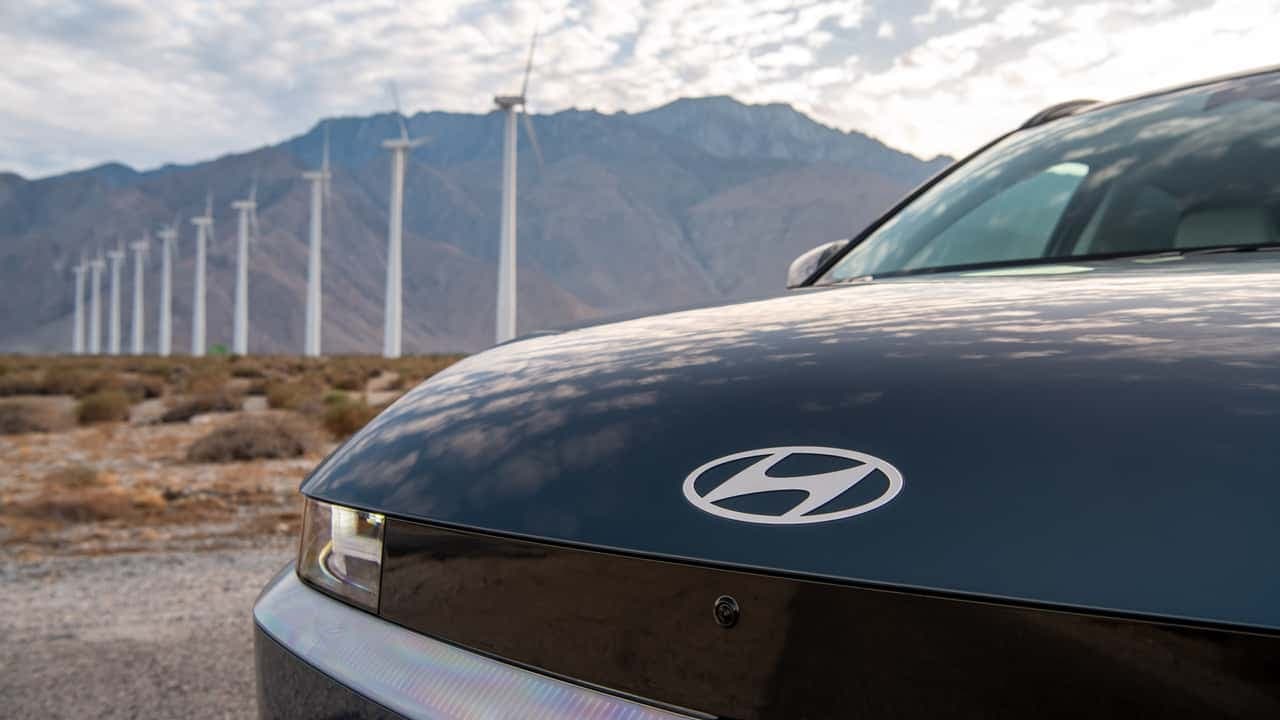
While the overall picture is positive, some models distinguished themselves as longevity champions. The Hyundai Ioniq 5 emerged as a clear standout, demonstrating exceptional battery retention across all mileage markers.
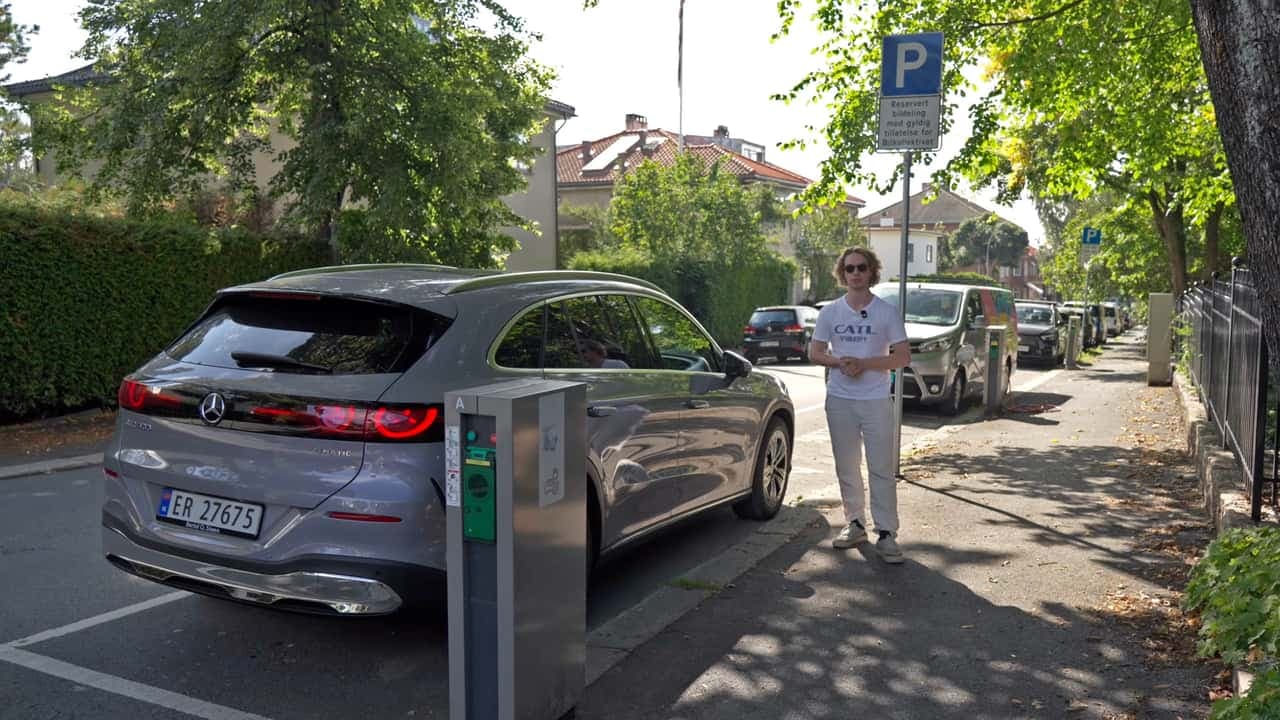
- After 50,000 km: The Hyundai Ioniq 5 led the pack with a median battery capacity exceeding 97%, performing almost like a brand-new vehicle in terms of range. The Mercedes-Benz EQA followed closely, registering 96.56%. All 20 models in the study showed median scores above 90% at this stage.
- After 100,000 km: The Ioniq 5 maintained its lead, retaining over 95% of its original capacity. Other strong performers included the Mercedes-Benz EQA (95%), Hyundai Kona Electric (94.3%), BMW i4 (94.3%), and the Ford Mustang Mach-E (93.45%). Excluding specific outliers, all models maintained at least a 90% median health score.
- After 150,000 km: Even at this extended mileage, the Ioniq 5 continued to impress, virtually tying with the EQA for the top spot at 93.79% and 93.97% capacity, respectively. The BMW i4 (93.62%), Hyundai Kona EV (92.95%), and Volvo XC40 Recharge (92.79%) also showcased remarkable long-term performance, with most models clustering between 90% and 94% retention.
Outliers and Factors Influencing Degradation
The study also highlighted a few models that showed faster degradation compared to their peers. The Renault Zoe and Nissan Leaf, two models notable for their air-cooled battery designs, were among those with lower median health scores, particularly as mileage accumulated. For example, at 150,000 km, the Mini Cooper SE, Nissan Leaf, and Renault Zoe recorded median capacities around 87%. Aviloo noted that vehicles with smaller battery packs tend to experience faster degradation, as they require more frequent charging cycles to cover the same distance, and these cycles accumulate over time.
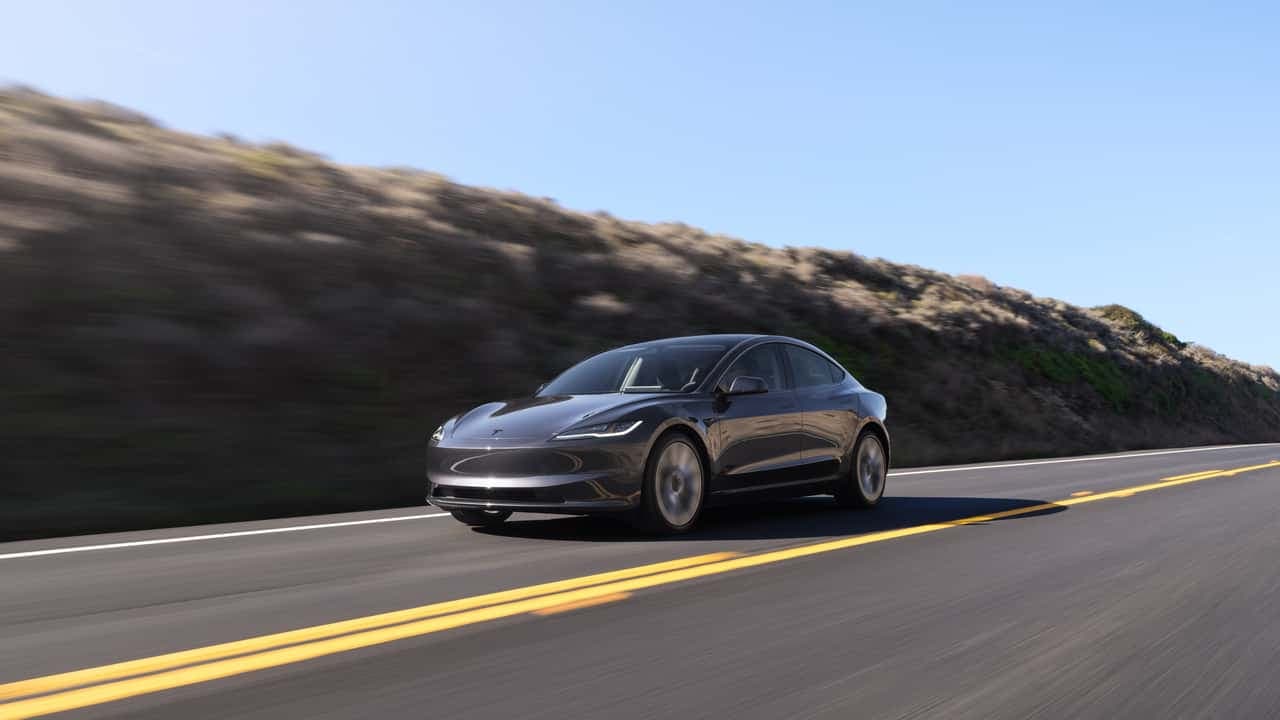
Interestingly, the Tesla Model Y and Model 3, while still performing admirably, landed in the middle-to-lower end of the pack. After 150,000 km, Model Ys exhibited a median health of 90.3%, while Model 3s came in at 88.94%. These figures are still robust but underscore the varying performance across different manufacturers and battery chemistries.
The Spectrum of Outcomes and Key Influencers
Beyond median values, Aviloo emphasized the wide range of outcomes observed even within the same model. For instance, after 150,000 km, a Model Y's battery health could range from 82.9% to 94.9%, and a Model 3 from 80.28% to 94.53%. This variability suggests that while average performance is excellent, individual vehicle treatment plays a critical role.
Several factors can significantly influence battery degradation:
- Climate: Hotter climates tend to accelerate degradation.
- Charging Habits: Frequent DC fast charging can contribute to faster wear, as can consistently charging to 100% and leaving the vehicle at that state for extended periods.
- Battery Chemistry: Manufacturers utilize diverse battery chemistries, each with different trade-offs in terms of energy density, power delivery, and longevity. These inherent differences mean identical usage patterns can yield varied results across models.
- Calendar Age: Research indicates that the simple passage of time, independent of mileage, also contributes to battery aging.
The Clear Takeaway for EV Owners and Shoppers
The Aviloo study offers a compelling verdict: EV batteries are not the Achilles' heel many perceive them to be. The vast majority of electric cars can be expected to retain well over 90% of their original range and capacity after significant use, often exceeding 100,000 miles. While a 10% drop in range after such mileage appears to be a reasonable expectation, individual outcomes can vary widely.
For current and prospective EV owners, the message is one of confidence tempered with informed choice. Selecting models with strong degradation resistance, like the Hyundai Ioniq 5, and adopting prudent charging habits can further extend battery life, ensuring that your electric vehicle remains a dependable and long-lasting investment.