Securing the Battery Value Chain
In a major move to solidify its industrial autonomy, the European Commission has officially selected 46 new projects designated as 'strategic' under the Critical Raw Materials Act (CRMA). These initiatives, spanning 16 member states, aim to transform the way Europe sources, processes, and reclaims the essential elements required for the transition to electric mobility and clean energy. By streamlining bureaucratic hurdles, the EU is positioning itself to hit ambitious 2030 benchmarks for materials like lithium, nickel, cobalt, and graphite.
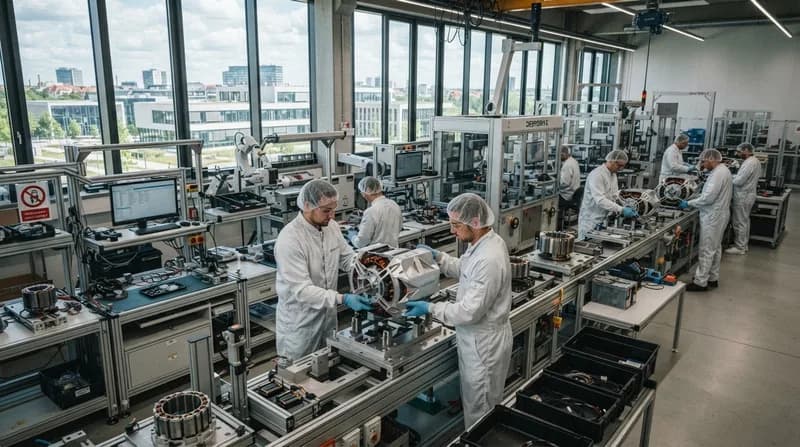
This second round of selections highlights a shift toward a circular economy, with a significant number of projects focusing on recycling rather than just raw extraction. Of the 46 chosen ventures, 19 are dedicated entirely to recycling, while five others blend processing with circular recovery methods. This strategic focus is designed to reduce reliance on single-country imports and ensure that the lifecycle of battery materials remains within the continent's borders.
Why It Matters: Meeting the 2030 Targets
- Accelerated Permitting: Strategic projects benefit from capped approval timelines—27 months for extraction and 15 months for processing or recycling facilities.
- Supply Chain Resilience: The CRMA mandates that no more than 65% of annual demand for any strategic raw material should come from a single third country.
- Targeted Independence: Current projections suggest these projects, combined with previous efforts, could fully meet the EU's 2030 extraction and processing targets for lithium and nickel.
Germany’s Dominant Role
Germany has emerged as the clear leader in this round, securing 'strategic project' status for eight distinct initiatives—the highest count among all EU member states. These projects encompass a diverse range of activities, from lithium extraction and processing in the Saxony and Saxony-Anhalt regions to advanced copper and battery recycling efforts in North Rhine-Westphalia. Additionally, the portfolio includes specialized ventures such as permanent magnet recycling in Baden-Württemberg and titanium processing in Hesse.
The emphasis on recycling within these German projects underscores a broader regional trend toward sustainable material management. By integrating these domestic capabilities, Europe is not only attempting to secure its raw material supply but also fostering a domestic ecosystem capable of supporting large-scale battery manufacturing for the booming EV sector. With over €2 billion already mobilized since the launch of the RESourceEU initiative, the Commission is now looking toward a future where the majority of battery-grade minerals are handled, recovered, and reprocessed within the European Union.