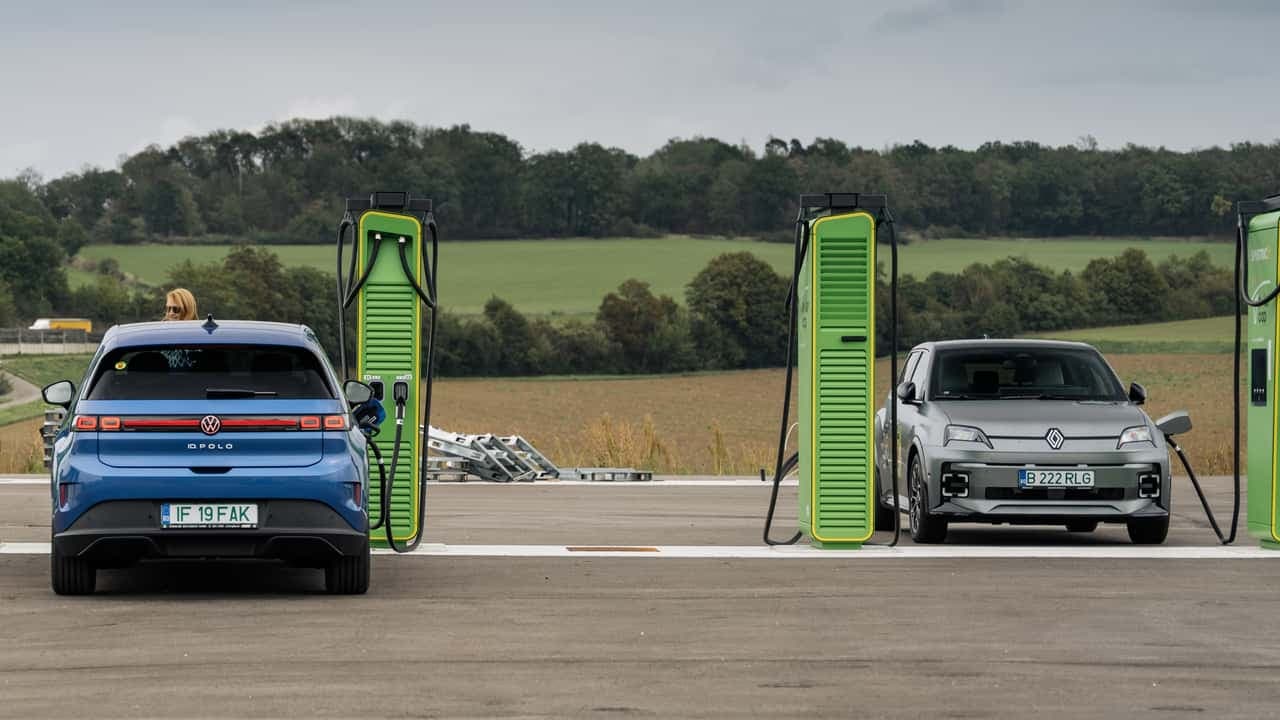
Public charging infrastructure across the European Union is currently expanding at a faster rate than the battery-electric vehicle (BEV) fleet, according to a recent report by Transport & Environment (T&E). The analysis indicates that the continent is making significant strides in supporting the transition to zero-emission transport.
Meeting AFIR Standards
The study highlights that almost all EU member states are already in compliance with the fleet-based targets established under the Alternative Fuels Infrastructure Regulation (AFIR). These regulations were designed to ensure that the growth of charging stations keeps pace with the number of electric cars on the road.
Motorway Connectivity and Regional Progress
In addition to fleet-based metrics, most member states have successfully fulfilled the regulation's key requirements for motorway charging. This infrastructure is critical for enabling long-distance travel and reducing range anxiety among EV owners. However, the report notes one exception: Malta is currently the only EU country that has failed to meet the AFIR charging targets. Despite this outlier, the overall trend suggests that infrastructure is no longer the primary bottleneck for EV adoption in the majority of Europe.