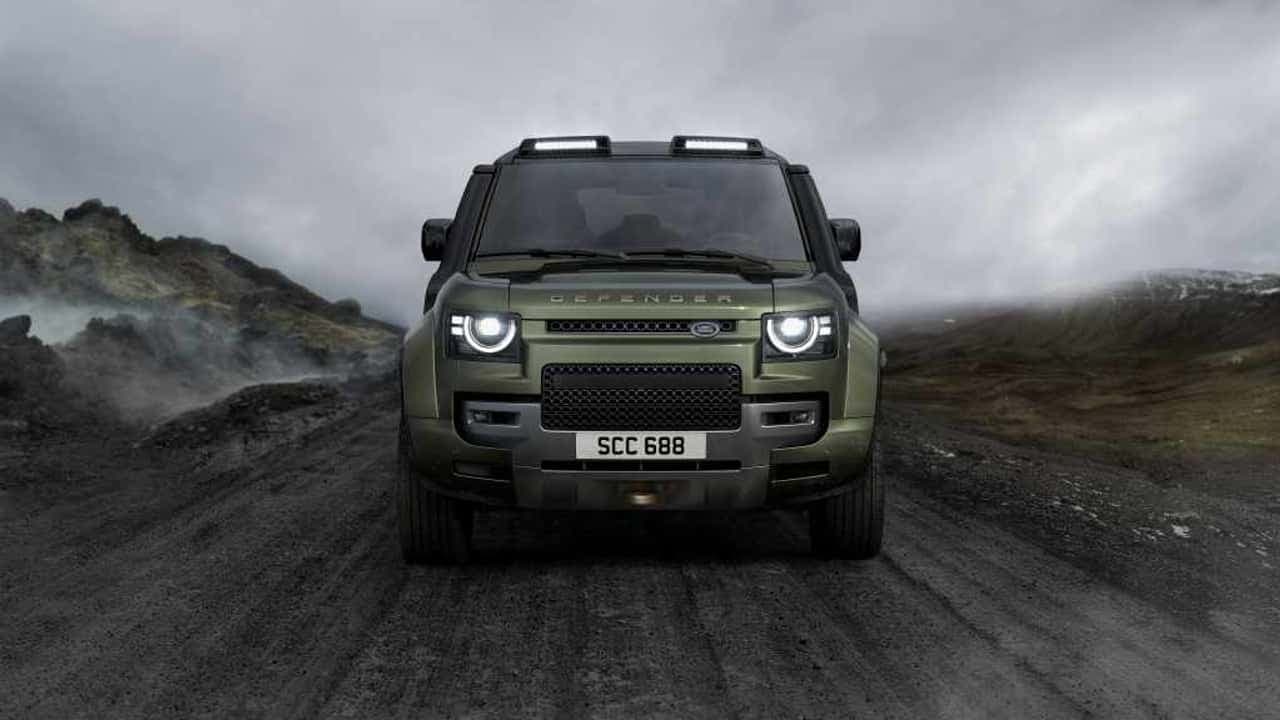
Jaguar Land Rover (JLR) has confirmed a significant delay in the rollout of its all-electric Land Rover Defender, now expected to launch in the early 2030s, which is two years later than initially planned. This decision comes as the automotive giant assesses declining electric vehicle (EV) demand in major markets, particularly the U.S. and China.
The shift in launch timeline reflects broader market challenges, with JLR responding to a downturn in consumer interest for EVs and a noticeable decrease in sales, especially in China. The new Defender will be built on JLR's Electrified Modular Architecture (EMA), designed to enhance vehicle design and performance while ensuring it can benefit from frequent software updates.
Key Points
- The next-generation electric Land Rover Defender is now expected to launch in the early 2030s, delayed two years from its original schedule.
- Concerns over EV demand in the U.S. and a drop in sales in China are driving JLR's decision to postpone the Defender's rollout as they reassess market conditions.
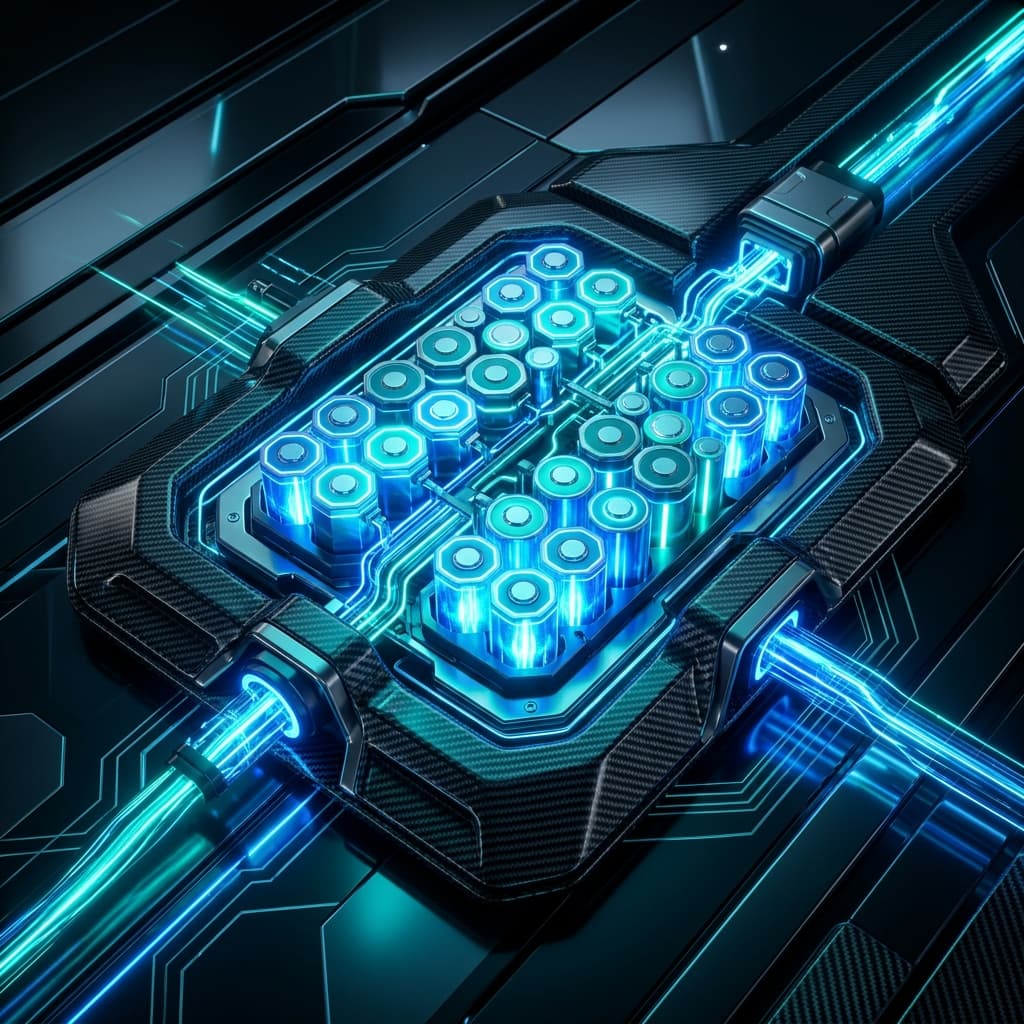
- The new Defender will utilize JLR's Electrified Modular Architecture (EMA), which focuses on better packaging, frequent software updates, and an 800-volt electrical system.
- A partnership with Stellantis may help JLR navigate import tariffs effectively, minimizing their 10% duty on U.K. manufactured vehicles and 15% on EU imports.
- JLR's total sales dropped 9.2% to 79,300 vehicles in Q1 FY 2027, highlighting the importance of their luxury SUVs including the current Defender.
The collaboration with Stellantis could enhance JLR's ability to manage costs associated with tariffs, ensuring competitiveness in a shifting EV landscape. As the company strives to align its strategy with evolving consumer preferences and regulatory conditions, maintaining luxury SUV sales will be crucial for its recovery.