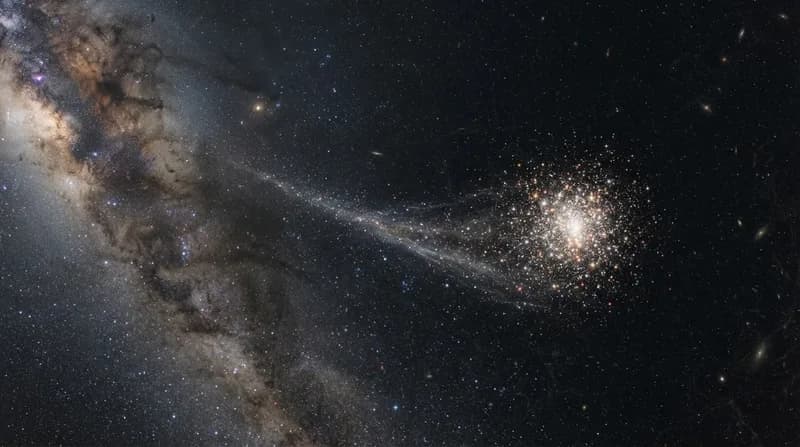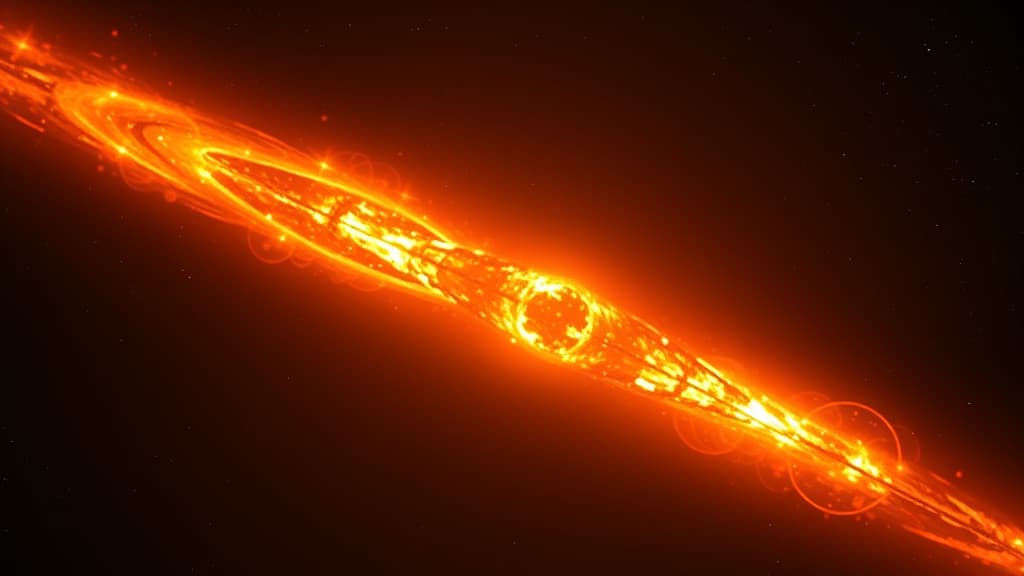
Stellar evolution may be far more dynamic than previously understood. According to recent observations, dying Sun-like stars do not simply fade away; instead, they may undergo a process that effectively 'kicks' them through space. As these stars reach their final stages, they swell and release massive blobs of gas from their surfaces.
The Mechanics of Stellar Kicks
The propulsion occurs when these gas eruptions happen unevenly. Each burst acts as a localized thruster, providing a tiny nudge in the opposite direction. While a single eruption has a minimal impact, the cumulative effect of thousands of these random, asymmetric kicks can significantly alter a star's path over time.
Impact on Binary Systems
This phenomenon has profound implications for stellar systems. In distant stellar pairs, these repeated pushes can eventually weaken the gravitational bond, causing the stars to break apart and drift away from each other. In rarer, more extreme scenarios, these kicks could potentially steer two stars toward one another, resulting in a violent stellar collision.