A Challenging Road for the Charger Daytona
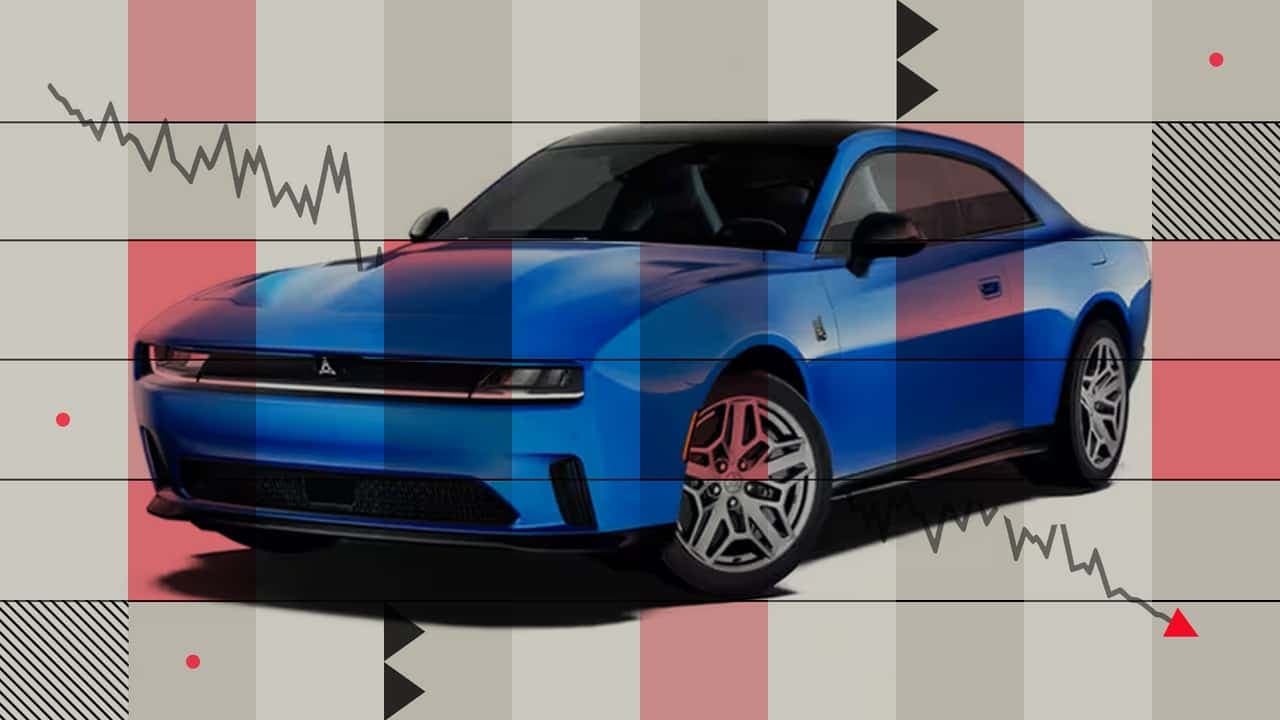
The transition to electric power for the iconic Dodge muscle car brand has hit a significant speed bump. Sales figures for the Dodge Charger Daytona EV have cratered throughout 2026, marking an 89% decline compared to the same period in the previous year. While the vehicle launched with much fanfare as the world's premier electric muscle car, the momentum has stalled, with fewer than 800 units delivered from January through September. This sharp downturn is punctuated by a particularly sluggish third quarter, during which only 233 vehicles were handed over to customers.
This performance stands in stark contrast to the previous year, where the Daytona found a niche following of over 7,000 buyers. Analysts point to a combination of high pricing, technical complications, and stiff internal competition from Dodge’s own gas-powered lineup as the primary drivers behind the cooling demand. As the market for premium electric vehicles matures, the Daytona finds itself struggling to justify its high entry price against more refined and reliable alternatives.
Technical Hurdles and Ownership Challenges
Beyond the raw sales data, the vehicle’s reputation has been hampered by reports of software instability. Early adopters and automotive testers have encountered significant gremlins that have, in some instances, led to prolonged service visits. These reliability concerns have created a negative feedback loop, causing some owners to sour on the experience entirely. For a vehicle marketed as a high-performance, everyday-use machine, the threat of extended downtime is a major deterrent for potential buyers.
Despite these challenges, the vehicle remains technically ambitious. It features a dual-motor configuration producing 630 horsepower, which can be temporarily boosted by an additional 40 hp via the 'PowerShot' feature. One of its most distinctive, albeit controversial, features is the Fratzonic Chambered Exhaust. Designed to mimic the aggressive roar of a traditional V-8 engine, it attempts to bridge the emotional gap between combustion heritage and electric performance. While unique, the feature has served as a polarizing point of discussion among enthusiasts who value authenticity.
Specifications and Market Positioning
For the 2027 model year, Dodge has introduced updates to the platform, including the integration of a NACS charging port to align with broader charging standards. Despite these hardware refinements, the underlying powertrain remains centered around a 94-kilowatt-hour usable battery pack. Charging efficiency remains consistent with earlier versions, allowing for a 20% to 80% charge in approximately 24 minutes, while the estimated maximum range sits at 267 miles.
The pricing strategy for the 2027 model has also raised eyebrows, with an increase of $12,500 over the previous starting price, bringing the total MSRP to $74,490 including destination charges. This price hike coincides with the strong performance of the gas-powered Dodge Charger, which utilizes a 3.0-liter inline-six engine and starts at a significantly lower price point of $51,990. In the third quarter alone, the gas variant moved over 8,000 units, clearly demonstrating that, at this price and stage of development, the traditional powertrain remains the preferred choice for the majority of the brand's customer base.