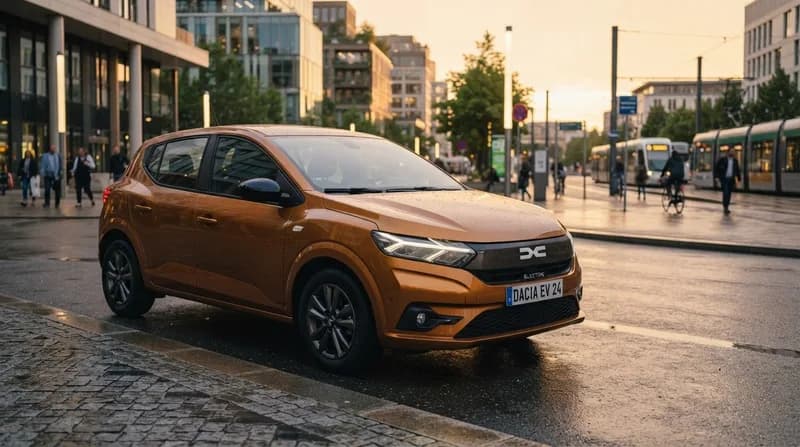
The Evolution of a Bestseller
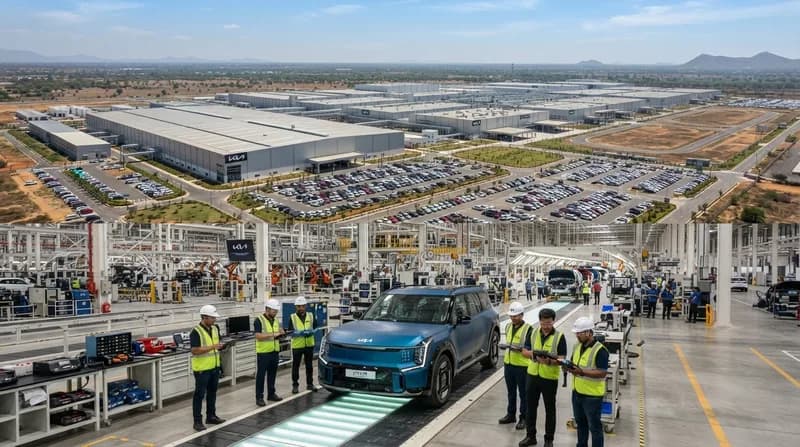
Dacia is poised to redefine its market position with the upcoming fourth generation of the Sandero. Long recognized as a staple of accessible, utilitarian motoring, the Sandero is set to embrace a fully battery-electric powertrain by 2028. This move signifies a major shift for the Renault-owned brand, which aims to balance its signature cost-efficiency with the increasing demand for sustainable mobility. By maintaining the compact dimensions of its predecessor—roughly 4.10 meters in length—Dacia intends to keep the vehicle practical for urban environments while significantly upgrading its underlying technology.
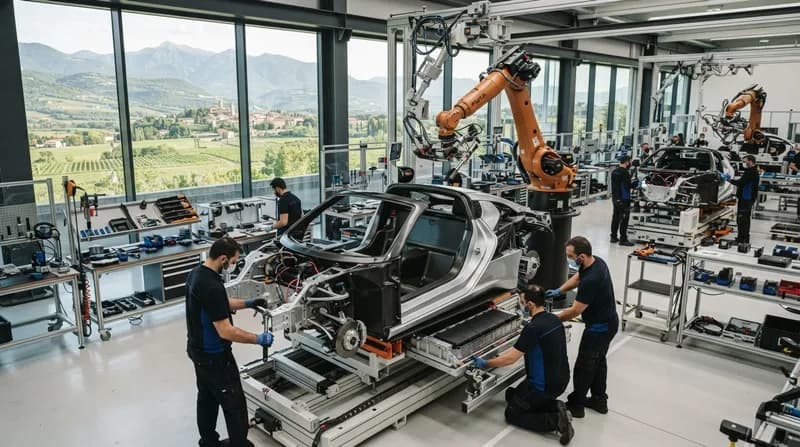
Reports suggest that the E-Sandero will utilize a heavily adapted version of the RGMP Small platform. While this architecture currently supports internal combustion and hybrid systems, engineers are tasked with modifying the layout to accommodate an electric motor and an underbody-mounted battery pack. In a strategic bid to maximize range and performance, the engineering team is reportedly targeting a 100 kg weight reduction compared to current models, ensuring that the transition to electric power does not sacrifice the agility or efficiency consumers expect from a compact hatchback.
Technical Specifications and Performance Targets
At the heart of the electric Sandero is expected to be a sophisticated drivetrain setup designed to maximize utility without inflating the price tag. Current internal reports indicate the inclusion of the 78-kW "Shanghai e-Drive" electric motor, which has become a proven component within the wider Renault Group ecosystem. Complementing this motor will be a 44-kWh lithium iron phosphate (LFP) battery, a chemistry favored for its longevity and reduced reliance on expensive rare-earth metals.
These components are projected to deliver a range of approximately 400 kilometers (around 249 miles) on a single charge. This figure is particularly impressive for the segment, positioning the E-Sandero as a highly competitive option for daily commuting and regional travel. By utilizing the LFP battery architecture seen in the entry-level Renault 5, Dacia is positioning itself to offer one of the most cost-effective long-range electric vehicles on the European market.
Why It Matters
- Strategic Expansion: The E-Sandero represents the second major electric push for Dacia, following the A-segment Spring.
- Platform Versatility: Adapting the RGMP platform shows how Dacia intends to accelerate electrification across its lineup by repurposing existing manufacturing efficiencies.
- Sustainability Goals: With a mandate to launch four electric vehicles by 2030, the E-Sandero is a critical component in Dacia's broader strategy to slash corporate CO2 emissions.
The Road Ahead
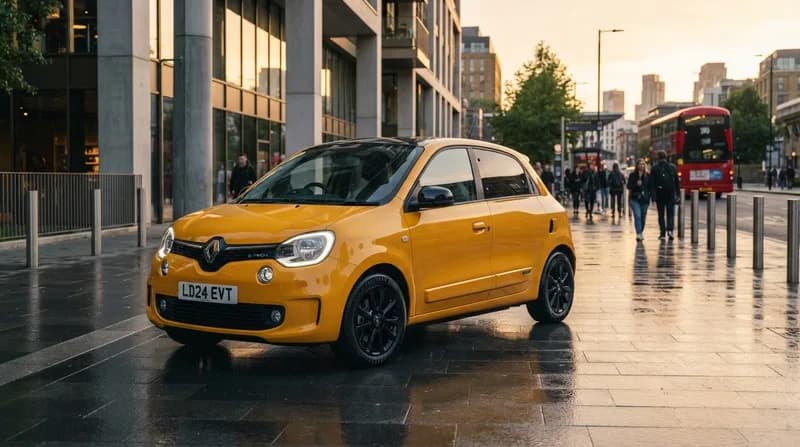
The timeline for the E-Sandero is set to move quickly as the company prepares for a grand unveiling in the spring of 2028. Production is slated to commence at the brand's Moroccan facilities by April of that year, with commercial availability expected to follow in the summer. As Dacia continues to experiment with additional models—including the potential introduction of the electric "Hipster" microcar and the adaptation of the Renault Bridger—the E-Sandero serves as the flagship for a new, greener era for the Romanian manufacturer. The automotive world will be watching closely to see if Dacia can successfully translate its "value-for-money" reputation into the competitive electric landscape.