An Ancient Cellular Mechanism
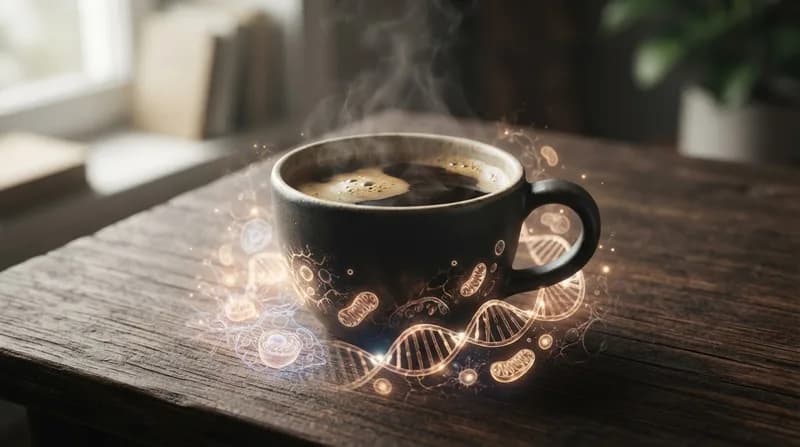
For most of us, caffeine is synonymous with the morning ritual of shaking off sleep and boosting productivity. However, recent findings from the Cellular Ageing and Senescence laboratory at Queen Mary University of London suggest that this neuroactive compound plays a role that reaches far deeper into our biological makeup than previously understood. Published in the journal Microbial Cell, the research indicates that caffeine acts as a activator for an ancient energy-sensing system that helps cells manage stress and maintain structural integrity over time.
To uncover these secrets, scientists utilized fission yeast, a model organism often referred to as a "mini-human" due to its remarkably similar biological pathways. By studying these cells, researchers discovered that caffeine engages a conserved mechanism that has been active in life forms for over half a billion years. This discovery shifts the narrative on caffeine from a mere stimulant to a potential regulator of cellular health.
The Role of AMPK: The Cellular Fuel Gauge
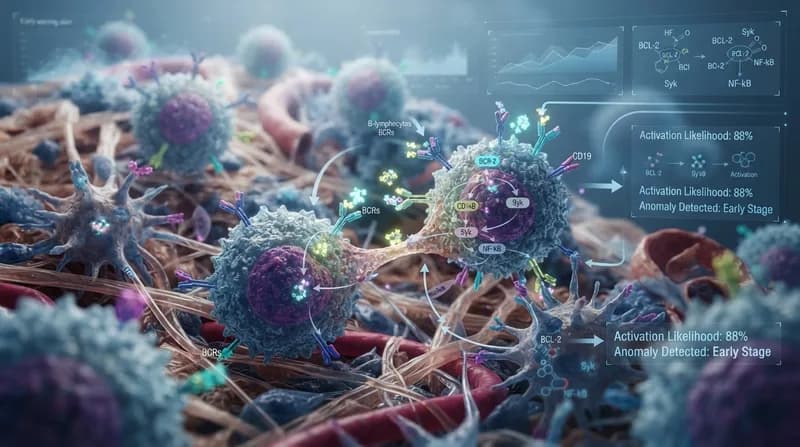
The core of this discovery revolves around a protein complex known as AMPK, or AMP-activated protein kinase. In cellular biology, AMPK functions as a sophisticated fuel gauge. When a cell senses that its energy levels are dropping, AMPK switches on to rebalance the cell's metabolic state, prioritizing survival and stress resistance. The study demonstrates that caffeine effectively flips this switch, prompting the cell to enter a protective mode that favors long-term health over immediate, high-intensity growth.
This is particularly significant because AMPK is the same pathway targeted by metformin, a widely utilized diabetes medication that has generated considerable buzz in the longevity research community. By triggering this ancient survival response, caffeine appears to promote a series of downstream benefits including improved DNA repair and enhanced stress response mechanisms, both of which are critical factors in mitigating the cellular decline typically associated with aging.
Why It Matters
- Beyond Alertness: Caffeine is shown to influence fundamental metabolic pathways, not just neural excitation.
- Evolutionary Conservation: Because AMPK is shared between yeast and humans, the pathways are deeply embedded in our biology, making them prime targets for therapeutic research.
- Future Longevity Therapies: Understanding how external compounds like caffeine influence these switches could lead to new dietary guidelines or pharmaceutical interventions designed to promote healthy aging.
Implications for Future Research
While the prospect of a morning brew aiding in cellular repair is compelling, the researchers are careful to clarify that these results were obtained in single-celled organisms. Scaling these findings to the complex, multicellular environment of a human body is the next major hurdle. Nonetheless, the discovery provides a concrete biological foundation for the epidemiological evidence that has long linked coffee consumption to various health benefits.
The study marks an important pivot in gerontology, suggesting that we may be able to manipulate cellular aging through lifestyle choices or targeted interventions that mimic the effects of these ancient pathways. As science continues to map the intersection between metabolic health and biological age, caffeine stands out not just as a cultural staple, but as a fascinating piece of the human longevity puzzle.