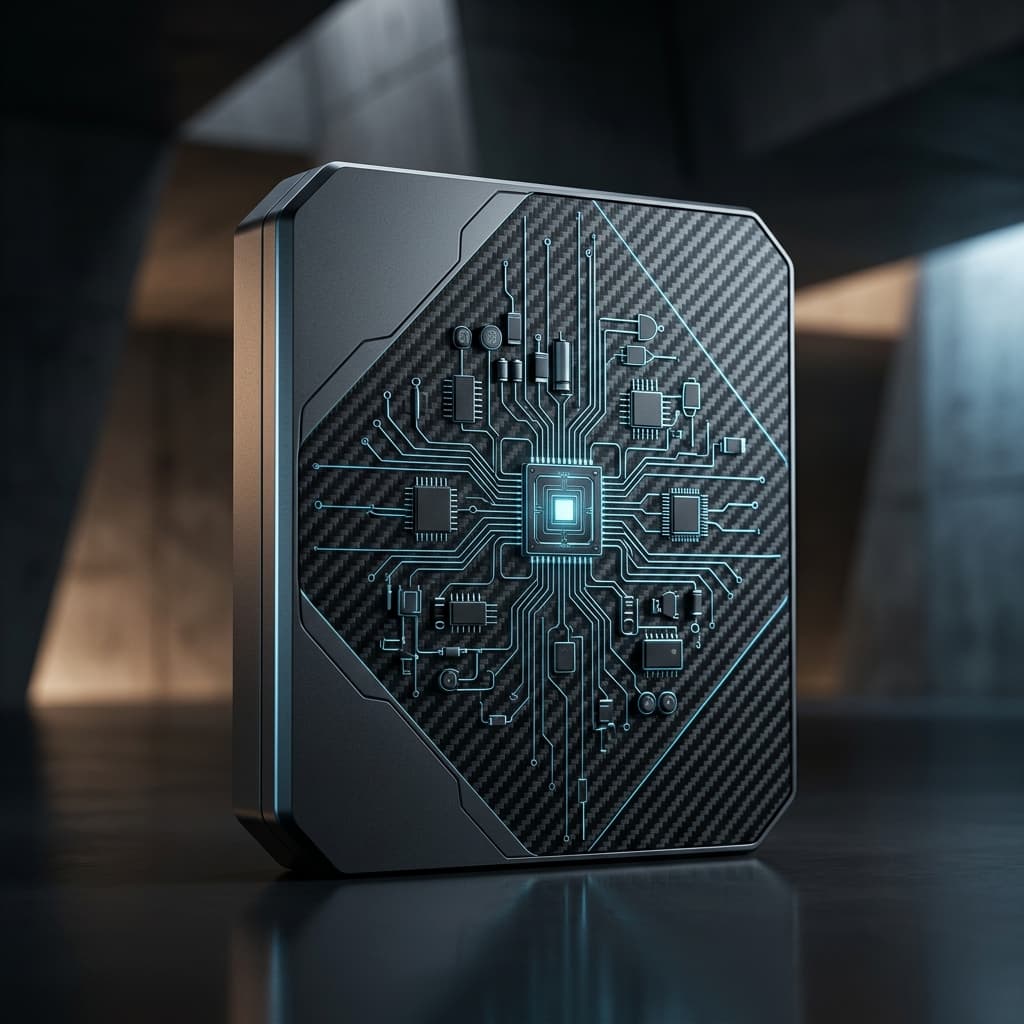
China is signaling a strategic shift in the electric vehicle supply chain, moving beyond battery production to target the high-tech heart of the modern vehicle: the 'car brain.' Several major Chinese automakers have begun developing proprietary smart-driving chips to power their next generation of autonomous and semi-autonomous vehicles.
Reducing Dependency on Global Suppliers
The move is primarily driven by a desire to decrease reliance on third-party semiconductor giants, such as Nvidia and Qualcomm. By bringing chip design in-house, manufacturers aim to secure their supply chains against geopolitical volatility and global chip shortages that have previously hampered production.
Efficiency and Cost Innovation
Beyond security, the development of bespoke silicon allows carmakers to optimize hardware specifically for their own software stacks. This vertical integration is expected to result in faster processing speeds for driver-assistance systems while simultaneously cutting long-term production costs. As the competition in the EV space intensifies, controlling the silicon that powers artificial intelligence could become the next major battlefield for industry supremacy.