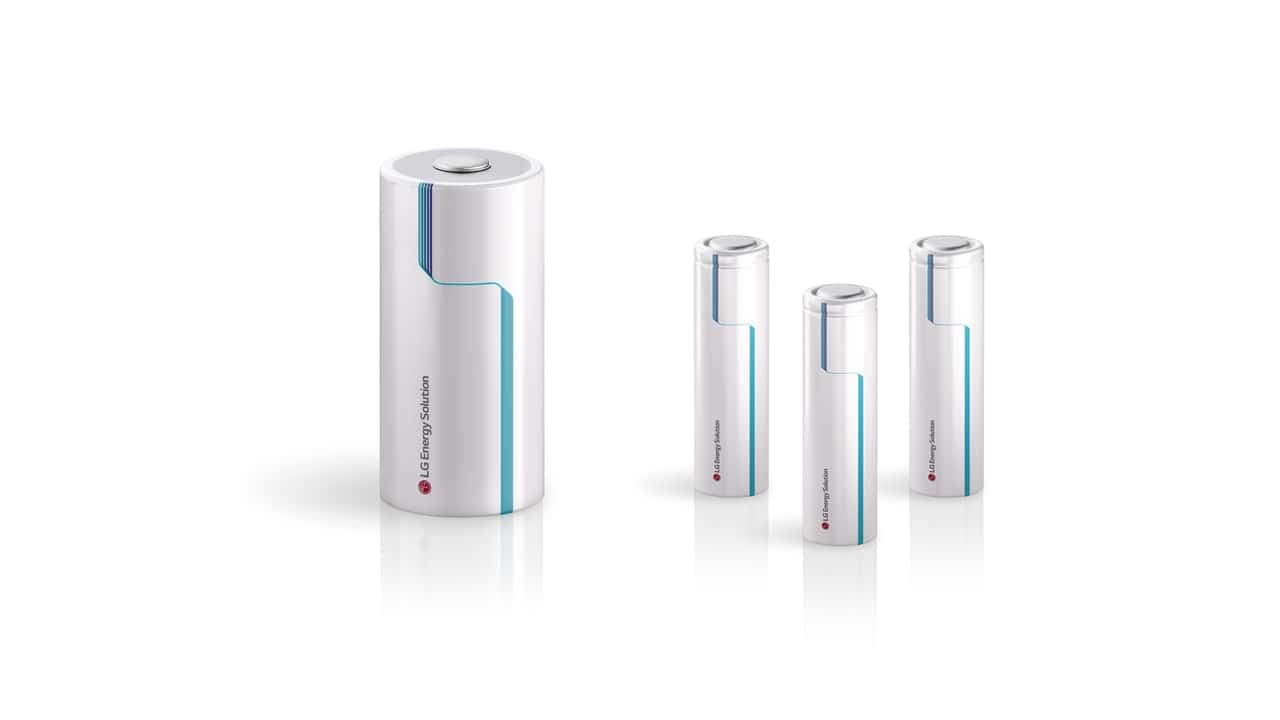
LG Energy Solution (LGES) has raised critical concerns about the future of solid-state batteries in electric vehicles (EVs), highlighting major challenges in scaling up production. Robert Lee, the president of LGES North America, stated that widespread commercial deployment of solid-state batteries is unlikely before 2030. This form of battery technology, which promises enhancements in driving range and charging speeds, faces significant manufacturing hurdles that continue to impede its adoption in the EV market.
Despite recent advancements in battery chemistry, industry experts contend that mass production techniques for solid-state batteries remain a formidable challenge. LGES suggests that initial implementations of this technology may be more likely in consumer electronics, such as smartphones and drones, rather than in electric vehicles.
Key Points
- Robert Lee emphasized that solid-state batteries are not expected in commercial EVs until after 2030.
- Mercedes-Benz's EQS prototype demonstrated the strong potential of solid-state chemistry, achieving nearly 750 miles on a single charge with a semi-solid-state battery from Factorial Energy.
- General Motors has plans to introduce lithium-manganese-rich batteries in its vehicles by 2028, aiming for over 400 miles of range while minimizing reliance on expensive nickel and cobalt materials.
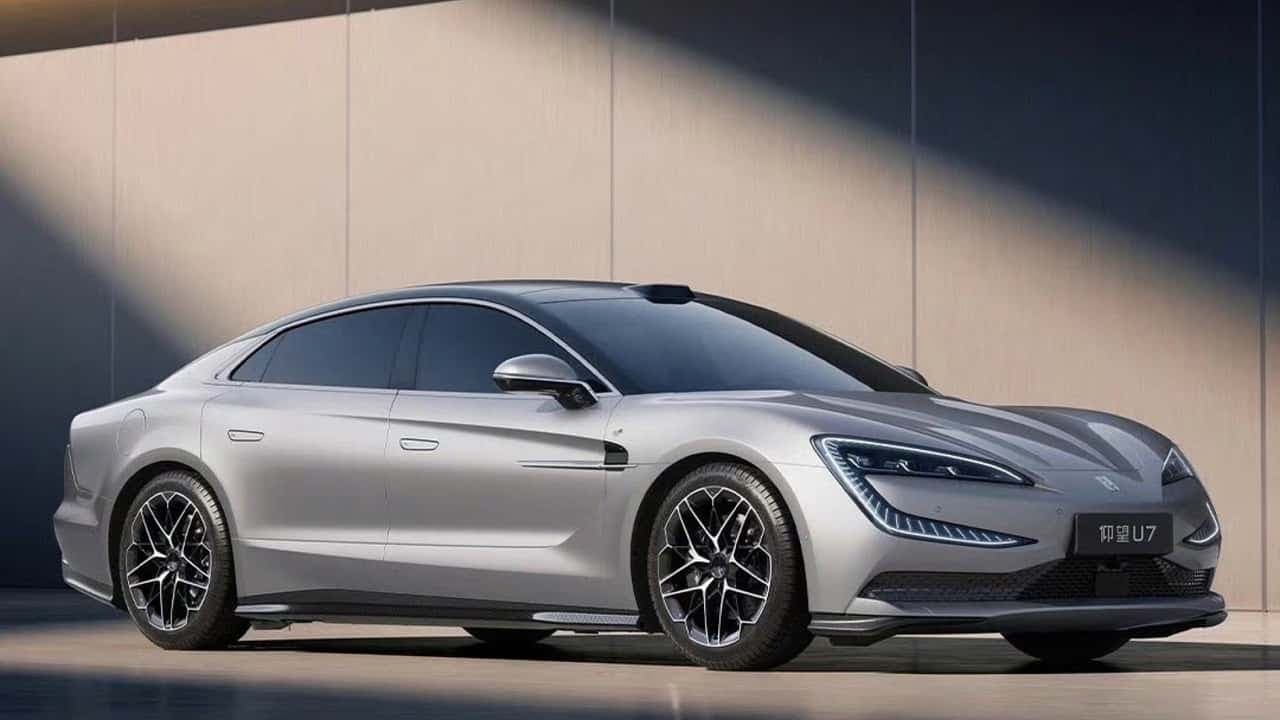
- Chinese companies such as BYD and CATL are aggressively working on solid-state battery development, targeting pilot programs by 2027, which may intensify competition with U.S. manufacturers.
The outlook for solid-state batteries is complicated by these production challenges and the competitive landscape, particularly as Chinese firms push towards rapid developments with lofty pilot program goals. Industry players are keenly aware that technological advancements in battery solutions will be pivotal for maintaining a competitive edge in the evolving EV market.