LG Energy Solution (LGES) has underscored significant challenges in the pursuit of solid-state batteries for electric vehicles (EVs), indicating that widespread adoption may be a decade away. This assessment comes from the company's North America president, Robert Lee, who highlighted that large-scale production remains a critical hurdle.
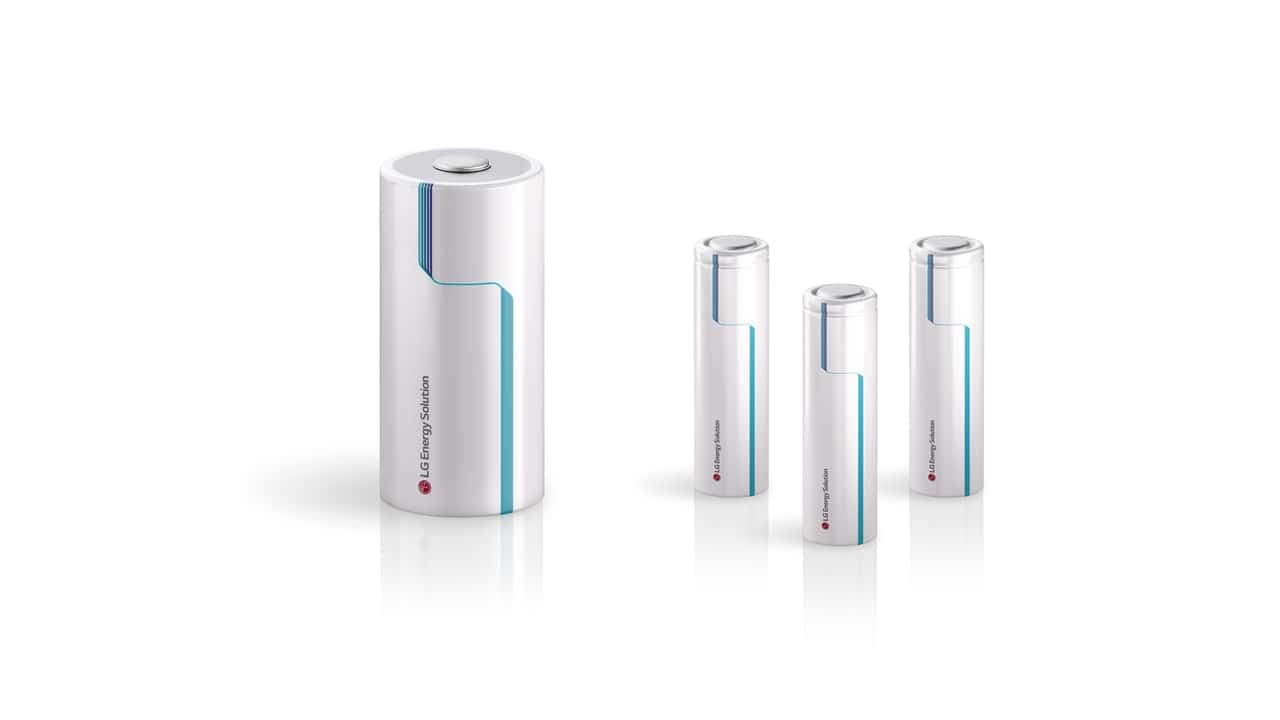
Meanwhile, advancements in lithium-manganese-rich (LMR) batteries are being positioned as a practical interim solution. LGES anticipates the availability of these batteries starting in 2028, which could significantly enhance EV range and efficiency.
Key Insights
- Robert Lee emphasized that the production of solid-state batteries presents notable challenges, pushing back the timeline for mass-market applications.
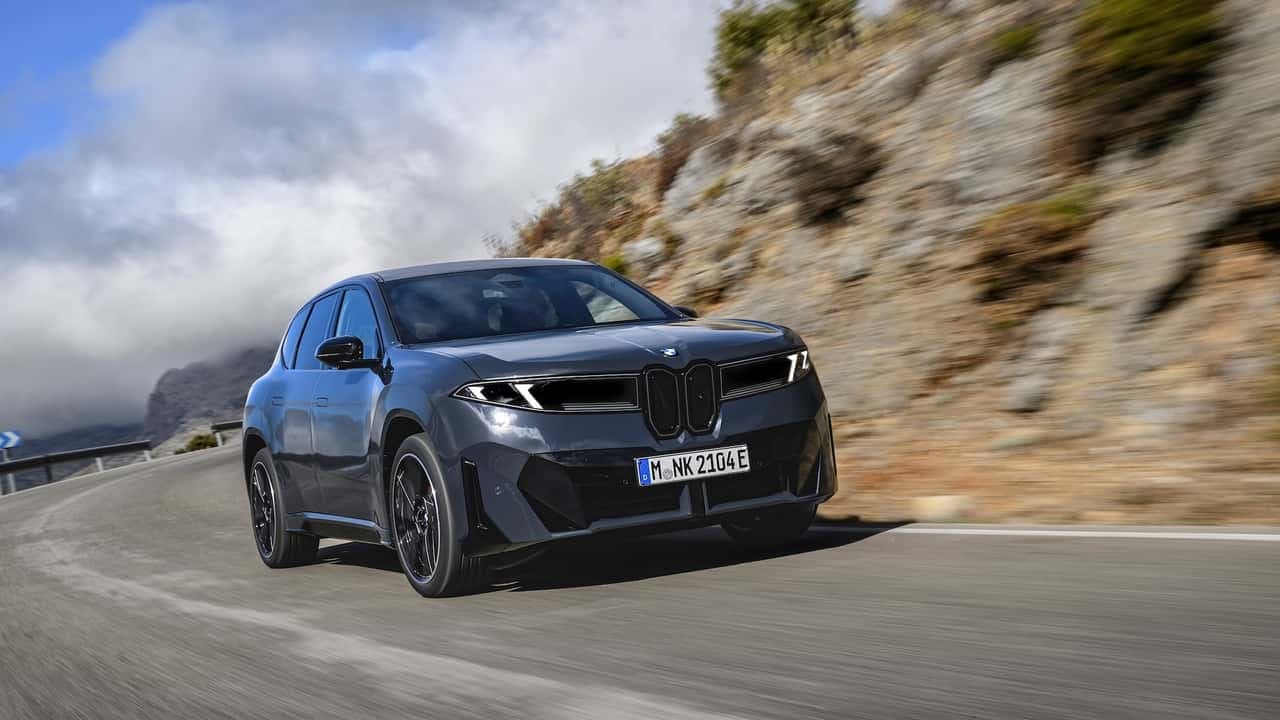
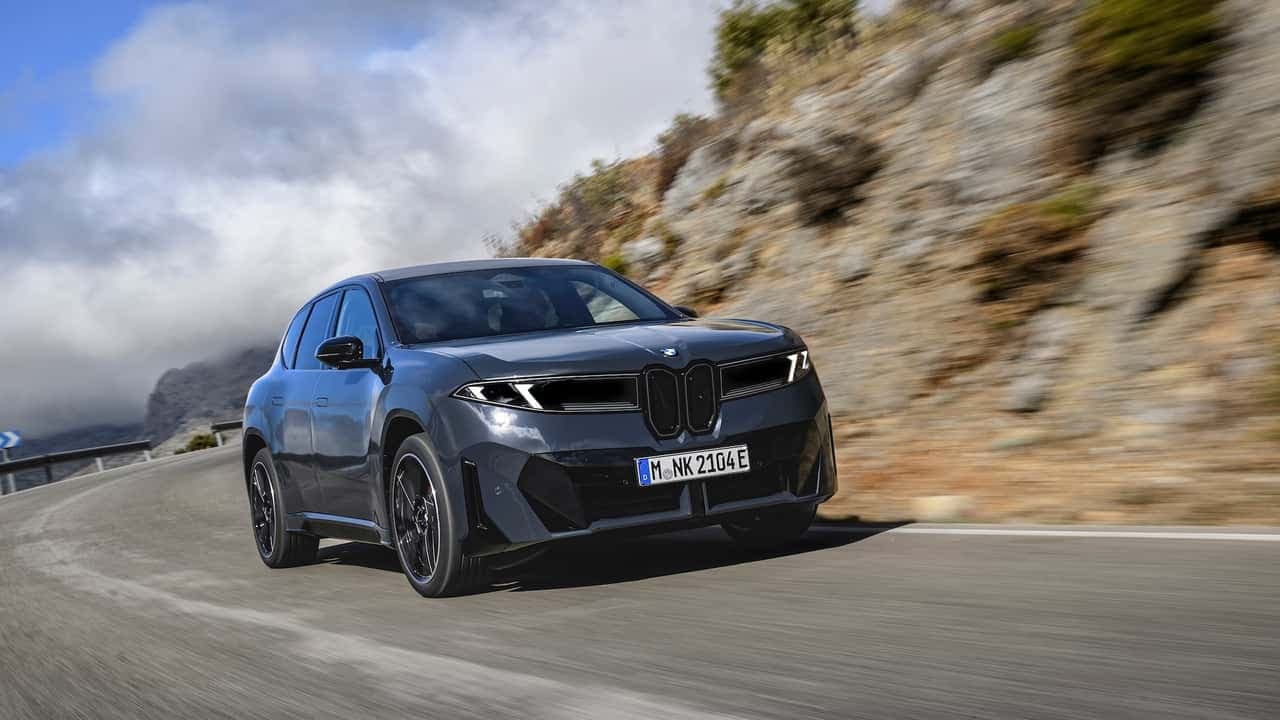
- Mercedes-Benz and BMW are at the forefront of testing solid-state technology, with impressive results. The Mercedes EQS, for example, achieved nearly 750 miles on a single charge thanks to Factorial Energy's semi-solid-state technology.
- General Motors has plans to implement LMR batteries in its full-size trucks and SUVs by 2028, aiming for a range of over 400 miles while maintaining competitive costs comparable to lithium iron phosphate (LFP) batteries.
- In anticipation of faster commercialization in consumer electronics, LGES is also exploring sodium-ion batteries and novel lithium-ion chemistries to improve charging times and enhance safety features.
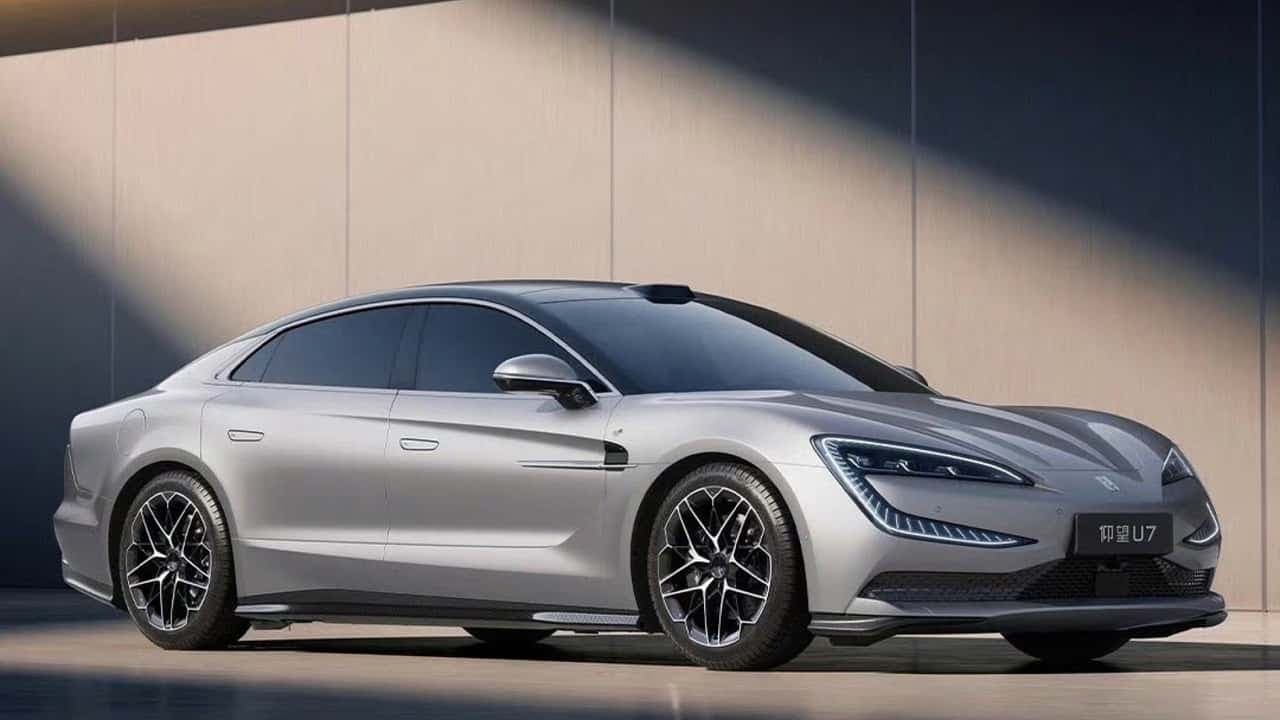
- Chinese companies such as BYD, CATL, and Geely are making aggressive moves, aiming to initiate pilot programs for solid-state batteries by 2027, which may intensify competition in the market by the end of the decade.
The contrasting timelines for solid-state batteries and LMR technology illustrate the evolving landscape of EV power systems. While certain automakers lead trials in solid-state tech, LGES's focus on LMR emphasizes a more immediate approach to enhancing EV capabilities.