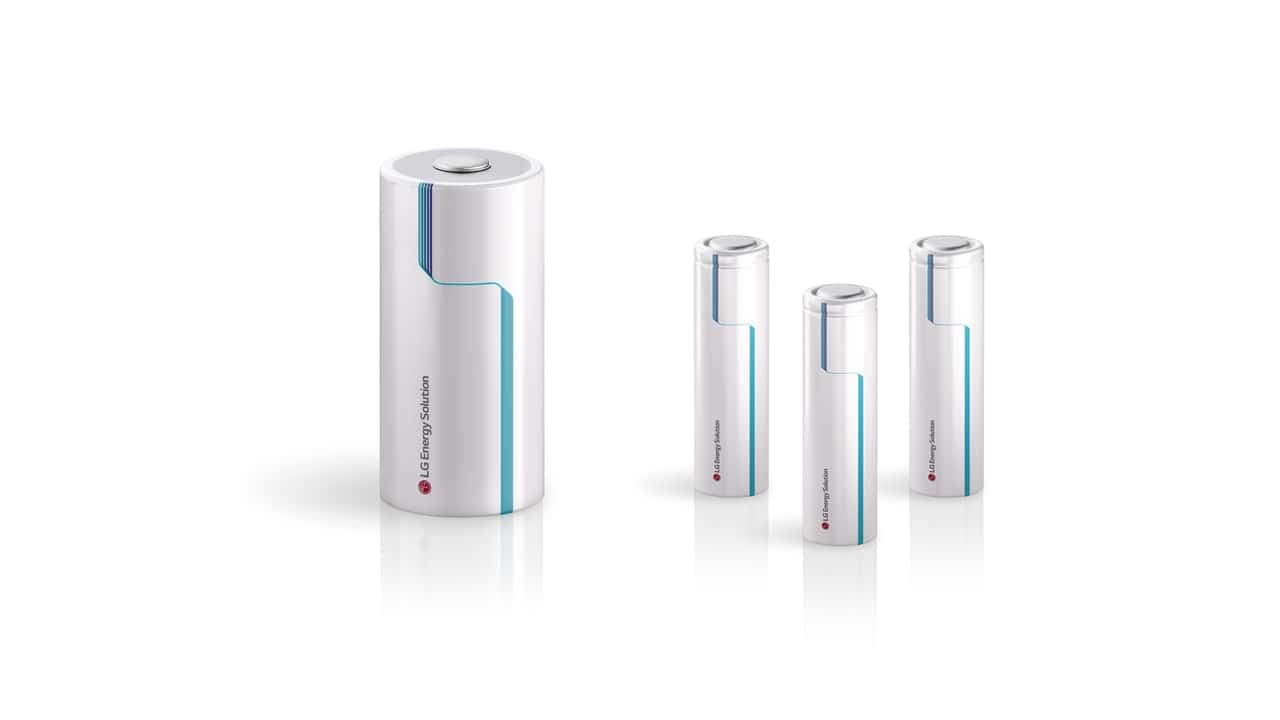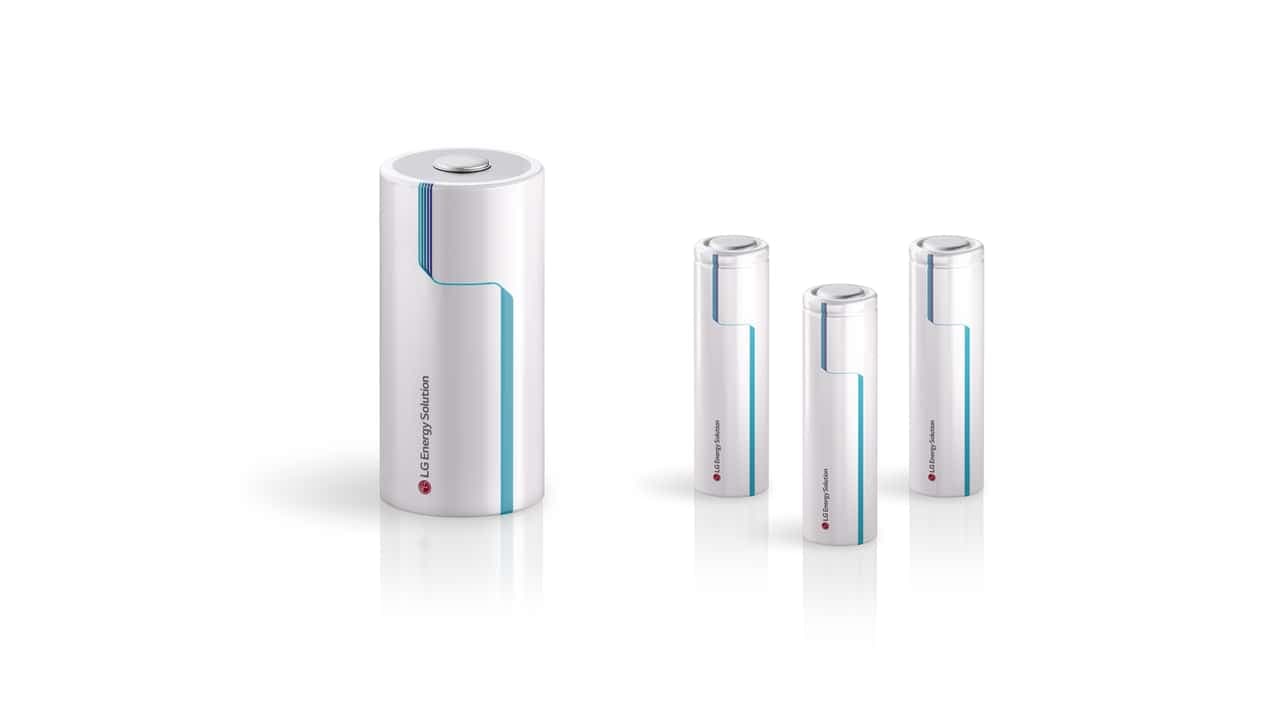
LG Energy Solution (LGES) has shed light on the formidable technical challenges that stand in the way of mass production of solid-state batteries for electric vehicles (EVs). Robert Lee, North America's president of LGES, acknowledged that transitioning to these next-generation batteries is particularly complex for larger formats needed in automotive applications.
Key Developments
- LGES considers that solid-state technology will likely debut in smartphones and specialized applications, such as drones, before finding its way into electric vehicles.
- The company predicts that mainstream adoption of solid-state batteries may still be a decade away.
- In collaboration with General Motors, LGES is working on lithium-manganese-rich batteries, which aim for a range exceeding 400 miles while reducing reliance on nickel and cobalt, with cost competitiveness akin to lithium iron phosphate (LFP) batteries by 2028.
- Additionally, LGES is exploring sodium-ion battery technology, gearing up for a pilot program aimed at energy storage systems to maintain competitiveness against firms like CATL in China.
- In related developments, Mercedes-Benz's EQS prototype reportedly achieved close to 750 miles on a single charge with a semi-solid-state battery developed by Factorial Energy, illustrating the promising potential of advanced battery technologies despite the challenges in scaling production.
Why It Matters
The transition to solid-state batteries holds the promise of enhanced safety and significantly improved range for electric vehicles. However, LGES's comments underline the reality that widespread market readiness may require more time and technological innovation. Meanwhile, advancements in lithium-manganese-rich and sodium-ion technologies suggest that the EV industry is actively pursuing alternatives to bridge the gap until solid-state solutions can be developed.