E-BUZZ ME Logo
ScienceTechnical Deep Dive

Breakthrough: Human Retinas Resuscitated to Respond to Light Hours After Death

Published
Breakthrough: Human Retinas Resuscitated to Respond to Light Hours After Death
1 min read190 words

The Gist

Scientists have successfully restored light sensitivity in donor human retinas up to 10 hours after death, potentially paving the way for vision-restoring eye transplants.

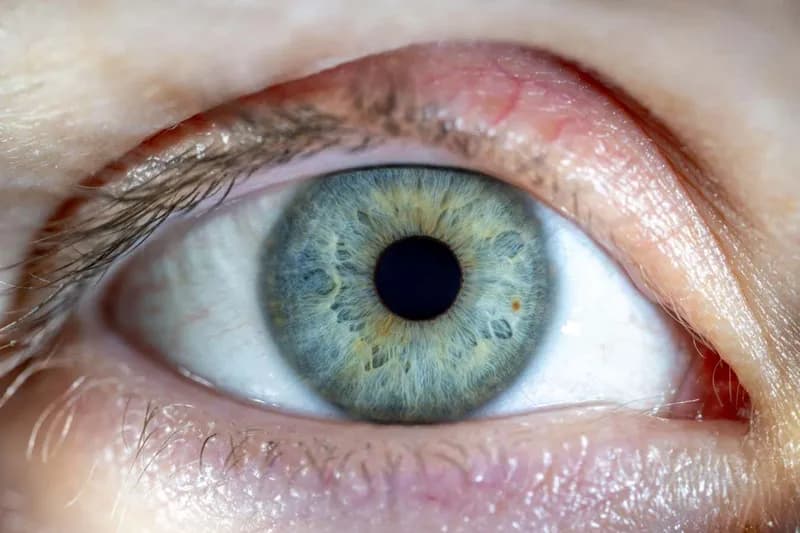
In a landmark development for ophthalmology and regenerative medicine, researchers have demonstrated that human retinas can be resuscitated to respond to light long after a donor has passed away. By perfusing donor retinas with a specialized cocktail of blood and oxygen, the team managed to maintain cellular activity for up to 10 hours post-mortem.

Overcoming Cellular Death

Traditionally, the delicate neural tissues of the eye begin to degrade almost immediately once blood flow ceases. However, this study proves that the window for harvesting and utilizing viable ocular tissue is significantly wider than previously thought. The researchers observed that the resuscitated retinas didn't just survive; they exhibited electrical signals in response to light stimuli, similar to those found in living organisms.

A Path to Vision Restoration

This achievement marks a critical milestone toward the ultimate goal of full eye transplants. While corneal transplants are common, transplanting the entire eye—and specifically the complex neural network of the retina—has remained an elusive challenge. By proving that retinal cells can remain functional after death, scientists are one step closer to developing procedures that could one day restore sight to those with irreversible vision loss.

Related Stories

Semantically matched articles, ranked by topic overlap and freshness.

Longevity-Linked APOE2 Gene Found to Shield Brain from Aging and Alzheimer’s
Science68%

Longevity-Linked APOE2 Gene Found to Shield Brain from Aging and Alzheimer’s

Researchers have discovered that the APOE2 gene variant protects neurons by reducing DNA damage and enhancing stress recovery, offering a potential blueprint for new Alzheimer’s therapies.

Sulfur-Based Compound Identified as Potential Breakthrough for Aging Muscle Repair
Science66%

Sulfur-Based Compound Identified as Potential Breakthrough for Aging Muscle Repair

Researchers have discovered a compound named LASSS that protects proteins essential for muscle recovery, offering hope for combating age-related muscle loss.

Self-Repairing Bio-Textiles: Scientists Create Clothing From Living Fungi
Science65%

Self-Repairing Bio-Textiles: Scientists Create Clothing From Living Fungi

Researchers have developed a revolutionary biodegradable textile using the parasitic fungus Cordyceps militaris that can clean and repair itself.

New Experimental Antiviral Pill Shows Promise in Halting Measles Transmission
Science63%

New Experimental Antiviral Pill Shows Promise in Halting Measles Transmission

A breakthrough antiviral treatment has successfully prevented the spread of a measles-like virus in animal trials, offering a potential new tool to contain future outbreaks.

U.S. Schools Struggle with Concussion Support for Returning Students
Science62%

U.S. Schools Struggle with Concussion Support for Returning Students

A new study reveals that many public schools lack the necessary policies and staff training to support students recovering from concussions.

AI Aids Stanford Researchers in Discovering Natural Weight Loss Molecule
Science61%

AI Aids Stanford Researchers in Discovering Natural Weight Loss Molecule

Stanford scientists have identified a natural molecule that mimics the weight-loss effects of Ozempic with fewer side effects by targeting specific brain regions.

Biological Age Linked to Weight Loss Success in New Study
Science61%

Biological Age Linked to Weight Loss Success in New Study

A recent study suggests that individuals with a biological age younger than their chronological age may lose more weight when following calorie-restricted diets.

Ancient Egyptian Ape Fossil Challenges Established Human Evolutionary Timeline
Science60%

Ancient Egyptian Ape Fossil Challenges Established Human Evolutionary Timeline

A newly discovered fossil in northern Egypt suggests the ancestors of modern apes and humans may have emerged in North Africa rather than East Africa.