A New Frontier in Oncology
Pancreatic cancer has long been considered one of the most formidable challenges in modern oncology, primarily due to the complex, defensive architecture that surrounds its tumors. A breakthrough study from the Sylvester Comprehensive Cancer Center at the University of Miami Miller School of Medicine has identified a potential "Achilles' heel" in this defense: a receptor known as IL1RAP. By targeting this inflammatory receptor, researchers believe they can dismantle the protective network that allows cancer cells to survive and resist traditional treatments.
Understanding the Tumor Microenvironment
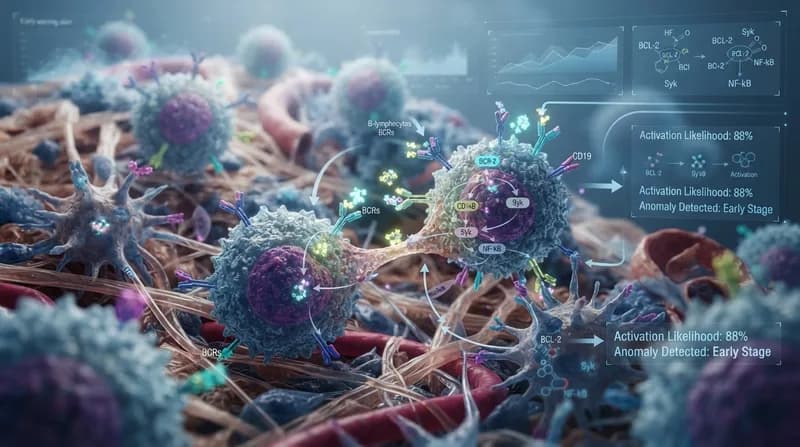
The core of the problem lies in the tumor microenvironment—a dense, structural community of cells that acts as a fortress for the cancer. These neighboring cells provide critical signals that help the tumor adapt to stress, grow, and evade the body’s immune system. Pancreatic tumors effectively create a highly inflamed environment while simultaneously suppressing the activity of T cells, which are the body’s natural defense against malignancy. This state of 'inflamed but immune-suppressed' renders many standard chemotherapy and immunotherapy protocols largely ineffective.
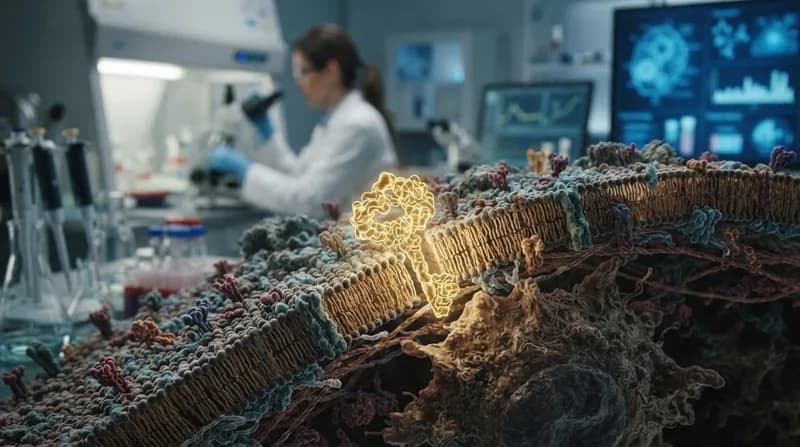
The study, published in JCI Insight, reveals that IL1RAP acts as a central communication hub for this inflammatory network. It serves as a "helper" receptor that various inflammatory signals rely on to transmit their survival messages to the tumor. When this link is interrupted, the tumor loses its protective scaffolding. Preclinical experiments have shown that inhibiting IL1RAP reduces tumor-protecting fibrosis and invigorates T cells, significantly improving the efficacy of existing medical interventions.
Why it Matters
- Strategic Shift: Rather than just attacking cancer cells directly, this approach alters the surrounding microenvironment to make the tumor vulnerable.
- Bridging the Gap: While new targeted therapies exist for metastatic cases, this research offers a vital strategy for patients whose tumors are still operable.
- Direct Observation: The upcoming neoadjuvant clinical trial will allow researchers to biopsy tumors before and after treatment, providing a unique window into how the cancer's biology shifts in real-time.
From Bench to Bedside
The momentum behind this discovery has already transitioned into practical application. The Sylvester Comprehensive Cancer Center is launching a pioneering neoadjuvant clinical trial that will combine IL1RAP-targeted therapy with traditional chemoimmunotherapy for patients with operable pancreatic cancer. By administering this treatment before surgery, clinicians gain an invaluable opportunity to observe the direct impact of the therapy on tumor pathology.
This initiative is supported by a prestigious Translational Research Grant from the V Foundation, which provides $800,000 in funding to facilitate the transition from laboratory research to patient care. As the clinical trial moves forward, the scientific community is optimistic that disrupting the IL1RAP-driven inflammatory network could redefine the standard of care for one of the most difficult diseases to treat, offering renewed hope for patients facing a diagnosis that has historically had few viable options.