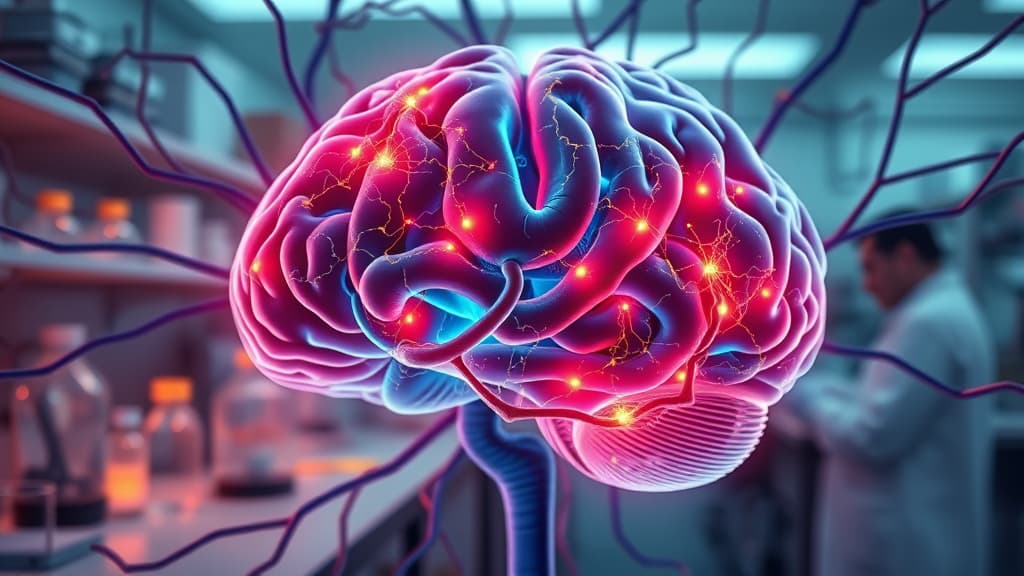
A team of scientists at the University of Cambridge has solved the mystery of a brain “switch” that can trigger weight loss in opposite ways, shedding new light on the complex mechanisms behind appetite and fullness. This discovery not only explains why different obesity drugs can achieve similar results but also points towards the development of more targeted and potentially more powerful treatments for obesity.
Key Insights
The study revealed that activating the GIP receptor in the brainstem leads to a reduction in appetite, whereas blocking it in the hypothalamus has the effect of removing a kind of “brake” on fullness signals, both of which can contribute to weight loss. This dual mechanism of action highlights the intricate balance of the brain's systems in regulating weight and underscores the importance of targeted therapeutic approaches to obesity treatment.