E-BUZZ ME Logo
ScienceTechnical Deep Dive

Blood Biomarkers May Hold the Key to Longevity

Published
Blood Biomarkers May Hold the Key to Longevity
1 min read134 words

The Gist

Researchers have identified a unique chemical 'fingerprint' in the blood of centenarians that could explain their exceptional health and lifespan.

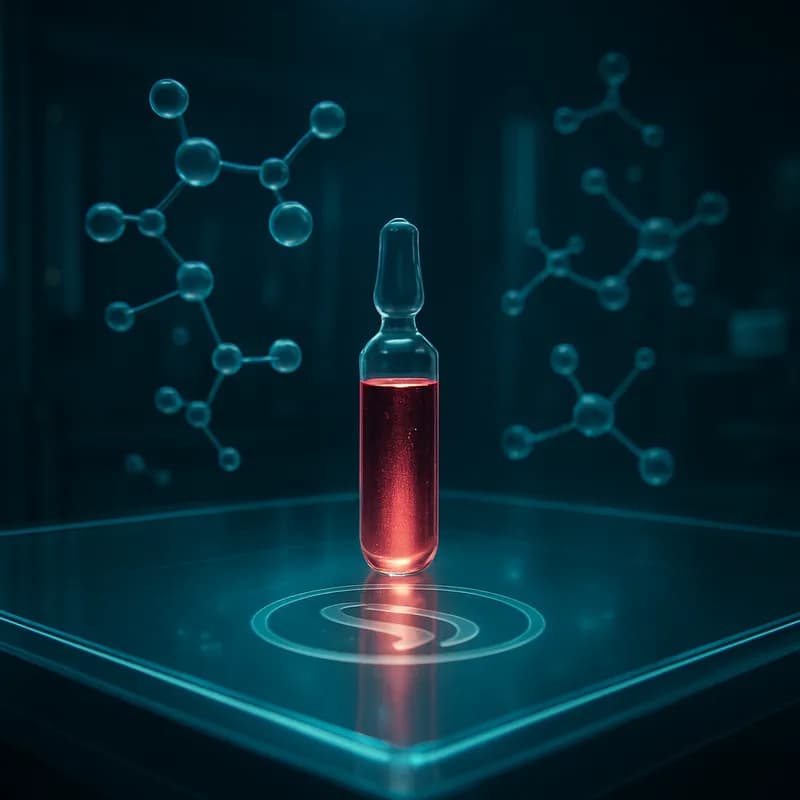
New scientific research suggests that the secret to reaching the age of 100 may lie within specific chemical markers in the bloodstream. A study focusing on centenarians has revealed a distinct biological signature that differentiates those with extreme longevity from the general population.

The Role of Bile Acids and Steroids

The study found that individuals who live past 100 possess unusual patterns of bile acids and steroids. These specific chemical compounds are closely linked to enhanced survival rates and appear to protect the body against the typical decline associated with the aging process.

By identifying this unique chemical 'fingerprint,' scientists hope to better understand the mechanisms of healthy aging. This discovery could eventually lead to new therapeutic interventions designed to mimic these natural protective patterns, potentially extending the healthy years of the broader population.
Related Stories

Semantically matched articles, ranked by topic overlap and freshness.

Sulfur-Based Compound Identified as Potential Breakthrough for Aging Muscle Repair
Science74%

Sulfur-Based Compound Identified as Potential Breakthrough for Aging Muscle Repair

Researchers have discovered a compound named LASSS that protects proteins essential for muscle recovery, offering hope for combating age-related muscle loss.

Biological Age Linked to Weight Loss Success in New Study
Science74%

Biological Age Linked to Weight Loss Success in New Study

A recent study suggests that individuals with a biological age younger than their chronological age may lose more weight when following calorie-restricted diets.

Longevity-Linked APOE2 Gene Found to Shield Brain from Aging and Alzheimer’s
Science71%

Longevity-Linked APOE2 Gene Found to Shield Brain from Aging and Alzheimer’s

Researchers have discovered that the APOE2 gene variant protects neurons by reducing DNA damage and enhancing stress recovery, offering a potential blueprint for new Alzheimer’s therapies.

AI Aids Stanford Researchers in Discovering Natural Weight Loss Molecule
Science66%

AI Aids Stanford Researchers in Discovering Natural Weight Loss Molecule

Stanford scientists have identified a natural molecule that mimics the weight-loss effects of Ozempic with fewer side effects by targeting specific brain regions.

New Experimental Antiviral Pill Shows Promise in Halting Measles Transmission
Science64%

New Experimental Antiviral Pill Shows Promise in Halting Measles Transmission

A breakthrough antiviral treatment has successfully prevented the spread of a measles-like virus in animal trials, offering a potential new tool to contain future outbreaks.

Self-Repairing Bio-Textiles: Scientists Create Clothing From Living Fungi
Science63%

Self-Repairing Bio-Textiles: Scientists Create Clothing From Living Fungi

Researchers have developed a revolutionary biodegradable textile using the parasitic fungus Cordyceps militaris that can clean and repair itself.

GLP-1 Weight Loss Drugs Linked to Increased Risk of Hair Loss
Science63%

GLP-1 Weight Loss Drugs Linked to Increased Risk of Hair Loss

A large-scale study reveals that popular GLP-1 medications like Ozempic and Mounjaro may carry a higher risk of alopecia compared to other diabetes treatments.

New Giant Salamander Species Identified from 3.5-Million-Year-Old Japanese Fossils
Science63%

New Giant Salamander Species Identified from 3.5-Million-Year-Old Japanese Fossils

Researchers have identified a new genus and species of giant salamander, Limnospondylus ajimuensis, from fossils originally discovered over two decades ago.