E-BUZZ ME Logo
ScienceTechnical Deep Dive

Beat the Heat: 8 Essential Strategies for Better Sleep During Heatwaves

Published
Beat the Heat: 8 Essential Strategies for Better Sleep During Heatwaves
1 min read181 words

The Gist

Struggling to rest as temperatures soar? Discover practical methods to cool your home and body for a restorative night's sleep.

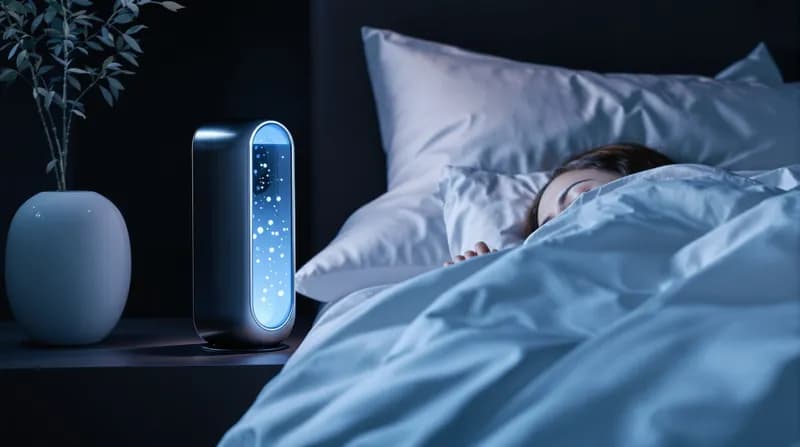
As global temperatures rise, maintaining a cool sleeping environment has become a significant challenge for many. Experts suggest that the foundation of a good night's sleep during a heatwave begins long before bedtime by preventing your living space from overheating. The primary defense involves keeping blinds and curtains closed against direct sunlight throughout the day to block solar gain.

Optimizing Your Environment

Effective ventilation is crucial; windows should remain closed during the peak heat of the day and only be opened when the outside air temperature drops below the indoor temperature. Additionally, residents should minimize the use of heat-producing appliances, such as ovens or large electronics, during the hottest hours to prevent internal temperature spikes.

Personal Cooling Techniques

If your bedroom remains uncomfortably warm, consider temporarily relocating to a cooler area of the home, such as a lower floor. Switching to lightweight, breathable bedding and utilizing electric fans can significantly improve comfort. For immediate relief, the safe use of ice packs or cooling compresses can help lower body temperature, making it easier to fall and stay asleep despite the external conditions.
Related Stories

Semantically matched articles, ranked by topic overlap and freshness.

Rising Bumblebee Mortality: Heat and Human Activity Threaten Vital Pollinators
Science63%

Rising Bumblebee Mortality: Heat and Human Activity Threaten Vital Pollinators

Increasing sightings of dead bumblebees on sidewalks highlight the growing impact of extreme heat, pesticides, and habitat loss on these essential insects.

Innovative Microwave-Hybrid Frying Could Produce Healthier French Fries
Science60%

Innovative Microwave-Hybrid Frying Could Produce Healthier French Fries

Researchers have developed a new cooking technique that combines microwave heating with conventional frying to reduce oil absorption without sacrificing texture.

The Gut-Brain Connection: How Digestion Shapes Memory Formation
Science60%

The Gut-Brain Connection: How Digestion Shapes Memory Formation

New research suggests that signals sent from the gut to the brain via the vagus nerve are essential for turning nutritional experiences into lasting memories.

The Long Goodbye: How the Moon’s Gradual Recession Will Change Earth
Science60%

The Long Goodbye: How the Moon’s Gradual Recession Will Change Earth

As the Moon slowly drifts away from our planet, the long-term consequences range from altered tidal patterns to the eventual disappearance of total solar eclipses.

Painless Liquid Treatment Could Replace Drilling for Childhood Cavities
Science60%

Painless Liquid Treatment Could Replace Drilling for Childhood Cavities

A major U.S. clinical trial reveals that silver diamine fluoride can stop tooth decay in children without the need for needles or drills.

New Simulations Challenge Hopes for Shallow Water Reservoirs on Europa
Science59%

New Simulations Challenge Hopes for Shallow Water Reservoirs on Europa

New research suggests that water from Europa's hidden ocean may struggle to reach the surface, complicating the search for life on Jupiter's icy moon.

The Evolutionary and Physical Science Behind Super-Long Fingernails
Science59%

The Evolutionary and Physical Science Behind Super-Long Fingernails

A new scientific inquiry explores the mechanics and motivations behind 'artificially elongated fingernails,' moving beyond mere aesthetics to understand their physical impact.

Daily Multivitamin Use Linked to Improved Functional Health in Older Adults
Science59%

Daily Multivitamin Use Linked to Improved Functional Health in Older Adults

A new study suggests that daily multivitamin supplements could play a key role in helping seniors maintain the physical strength and stamina required for independent living.