E-BUZZ ME Logo
Electric VehiclesTechnical Deep Dive

Aptera Shuns Traditional Service Networks for a New Solar EV Support Model

Published
Aptera Shuns Traditional Service Networks for a New Solar EV Support Model
1 min read179 words

The Gist

Solar EV startup Aptera is moving away from the service center models used by Tesla and Rivian, opting instead for a different approach to maintenance.

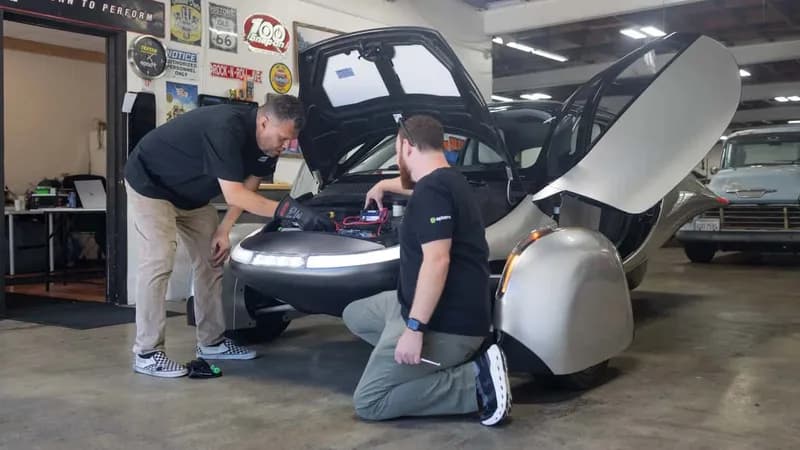
Aptera Motors is charting a unique course in the electric vehicle industry by announcing it will not build a traditional, proprietary service network. Unlike industry leaders such as Tesla and Rivian, which have invested heavily in dedicated service centers and mobile technicians, the solar EV startup is prioritizing a different strategy for vehicle upkeep.

A Focus on Right to Repair

The company's decision stems from a commitment to the 'Right to Repair' movement. By designing their three-wheeled solar vehicles with modularity and simplicity in mind, Aptera aims to empower owners and independent shops to perform repairs. This move is intended to reduce the logistical burden on the manufacturer while providing owners with more flexibility in how they maintain their vehicles.

The Alternative Infrastructure

Instead of a physical footprint of service buildings, Aptera plans to provide comprehensive digital guides, specialized toolkits, and a robust parts distribution system. This approach is designed to ensure that even without a dedicated Aptera-branded garage in every city, the vehicles remain serviceable through a combination of DIY efforts and partnerships with existing automotive repair businesses.
Related Stories

Semantically matched articles, ranked by topic overlap and freshness.

Massachusetts to Launch Program Paying EV Owners for Grid Support
Electric Vehicles67%

Massachusetts to Launch Program Paying EV Owners for Grid Support

A new initiative in Massachusetts will allow electric vehicle owners to earn incentives by discharging battery power back into the grid during peak demand.

Hyundai and Kia Unveil AllDayEnergy Brand for Smart and Bidirectional Charging
Electric Vehicles66%

Hyundai and Kia Unveil AllDayEnergy Brand for Smart and Bidirectional Charging

Hyundai Motor Group has launched AllDayEnergy, a new unified brand dedicated to smart charging and vehicle-to-everything (V2X) technologies.

NHTSA Rejects Tesla Door Release Investigation, Proposes Industry-Wide Safety Updates
Electric Vehicles65%

NHTSA Rejects Tesla Door Release Investigation, Proposes Industry-Wide Safety Updates

Federal regulators have denied a petition for a defect investigation into Tesla Model 3 door releases but will initiate new safety standards for all vehicles.

Discrepancies Emerge in Rivian R2 EPA Efficiency vs. Real-World Performance
Electric Vehicles65%

Discrepancies Emerge in Rivian R2 EPA Efficiency vs. Real-World Performance

While the Rivian R2 and Tesla Model Y share identical EPA efficiency ratings, initial real-world testing suggests a gap in actual energy consumption.

BMW Expands U.S. Footprint with Localized iX5 Battery Production
Electric Vehicles65%

BMW Expands U.S. Footprint with Localized iX5 Battery Production

BMW reaffirms its commitment to electrification by establishing domestic battery manufacturing for the upcoming iX5 in the United States.

Australia Invests AU$30 Million in Smart Grid and Electromobility Projects
Electric Vehicles63%

Australia Invests AU$30 Million in Smart Grid and Electromobility Projects

The Australian government is funding 14 innovative projects to modernize the national electricity network through smart charging and vehicle-to-grid technologies.

Huawei Unveils Integrated Solar-Storage-Charging Solution for European EV Fleets
Electric Vehicles62%

Huawei Unveils Integrated Solar-Storage-Charging Solution for European EV Fleets

Huawei’s FusionCharge system integrates PV, energy storage, and EV charging to streamline infrastructure for commercial vehicle electrification.

Schwarz Group Reintroduces Combustion Engines for German Fleet
Electric Vehicles62%

Schwarz Group Reintroduces Combustion Engines for German Fleet

The parent company of Lidl and Kaufland is temporarily halting electric vehicle orders for its corporate fleet in Germany due to concerns over residual values.