The Path to Gen 3 Autonomy
Rivian is officially moving forward with the deployment of its highly anticipated third-generation autonomy platform, which features the company's proprietary in-house silicon, dubbed RAP1. This next-generation compute architecture is designed to handle more complex tasks than ever before, integrating a long-range lidar sensor, five advanced radar sensors, and an array of 11 high-definition cameras. Together, these components form the backbone of the automaker's roadmap for more robust hands-free driving capabilities.
However, prospective owners hoping to secure the R2 with this comprehensive sensor suite will need to exercise a bit more patience. During a recent industry event, Chip Newcom, Rivian’s VP of Investor Relations, clarified that while the hardware is hitting the assembly line before the end of the year, it will be reserved exclusively for internal employee testing. This staggered rollout strategy allows the engineering team to refine the software-hardware integration in real-world scenarios before the technology reaches the general public.
Understanding the Rollout Strategy
For the average consumer, the full autonomy package is now slated for a wider launch beginning in 2027. This timeline marks a shift from earlier, more ambiguous messaging that left many reservation holders wondering if the hardware would arrive in late 2026. By prioritizing internal testing, Rivian aims to ensure a smoother, more reliable experience for mass-market buyers who prioritize long-term future-proofing for their vehicles.
Why it Matters
- Strategic Caution: By limiting initial hardware release to employees, Rivian is adopting a conservative approach to its most critical product launch to date, minimizing the risk of software bugs in the hands of the public.
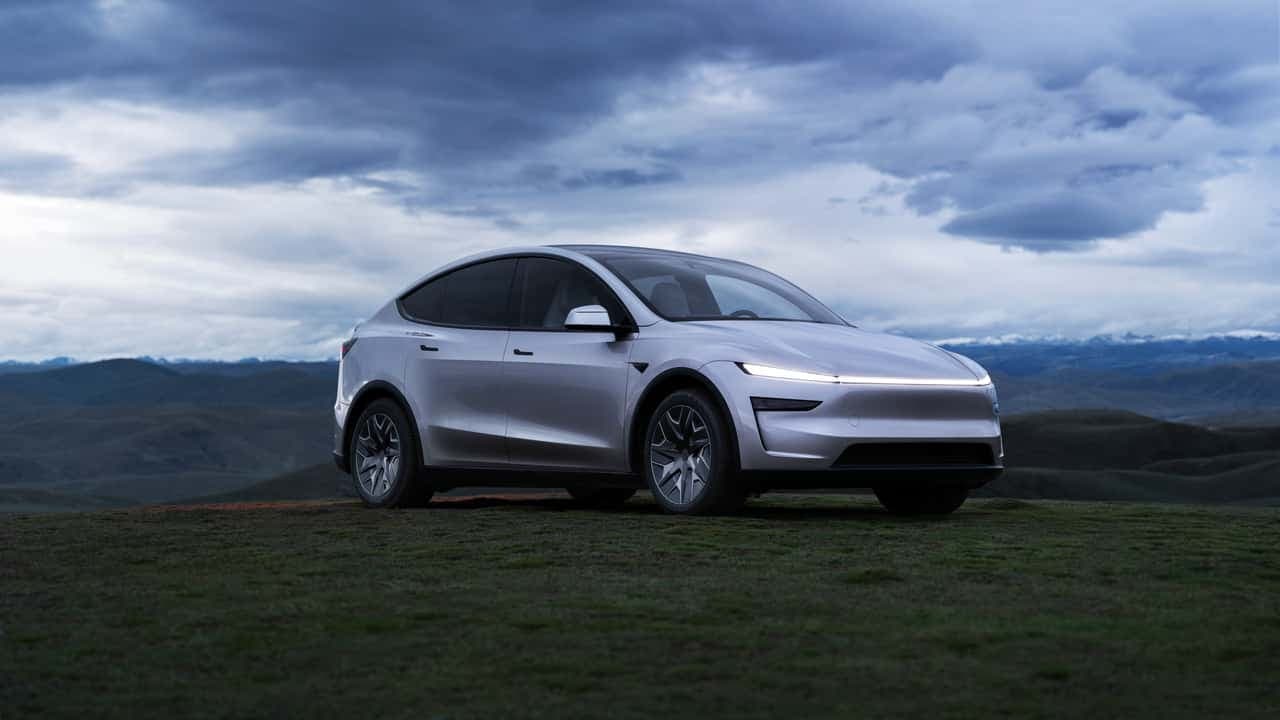
- Competitive Landscape: As the R2 prepares to challenge the dominance of the Tesla Model Y, advanced autonomy is a key differentiator. Providing a clear roadmap for lidar integration helps potential buyers weigh the benefits of waiting for the latest tech versus purchasing a current-generation model.
- Future Readiness: The inclusion of dedicated in-house silicon (RAP1) suggests that Rivian is positioning its vehicle architecture to evolve alongside AI and machine learning advancements, rather than being beholden to third-party hardware lifecycles.
For those currently eyeing the R2, the decision effectively boils down to a trade-off. The current iteration of Rivian’s driver-assistance technology already offers impressive capabilities, making it a viable choice for those who need a vehicle now. However, for enthusiasts who view lidar and the Gen 3 compute platform as essential components for the future of vehicle autonomy, waiting for the 2027 deployment remains the clear path forward. This deliberate rollout underscores the reality that in the world of high-tech mobility, the best hardware often requires a thoughtful, phased introduction to reach its full potential.