The 2030 Strategic Battery Initiative
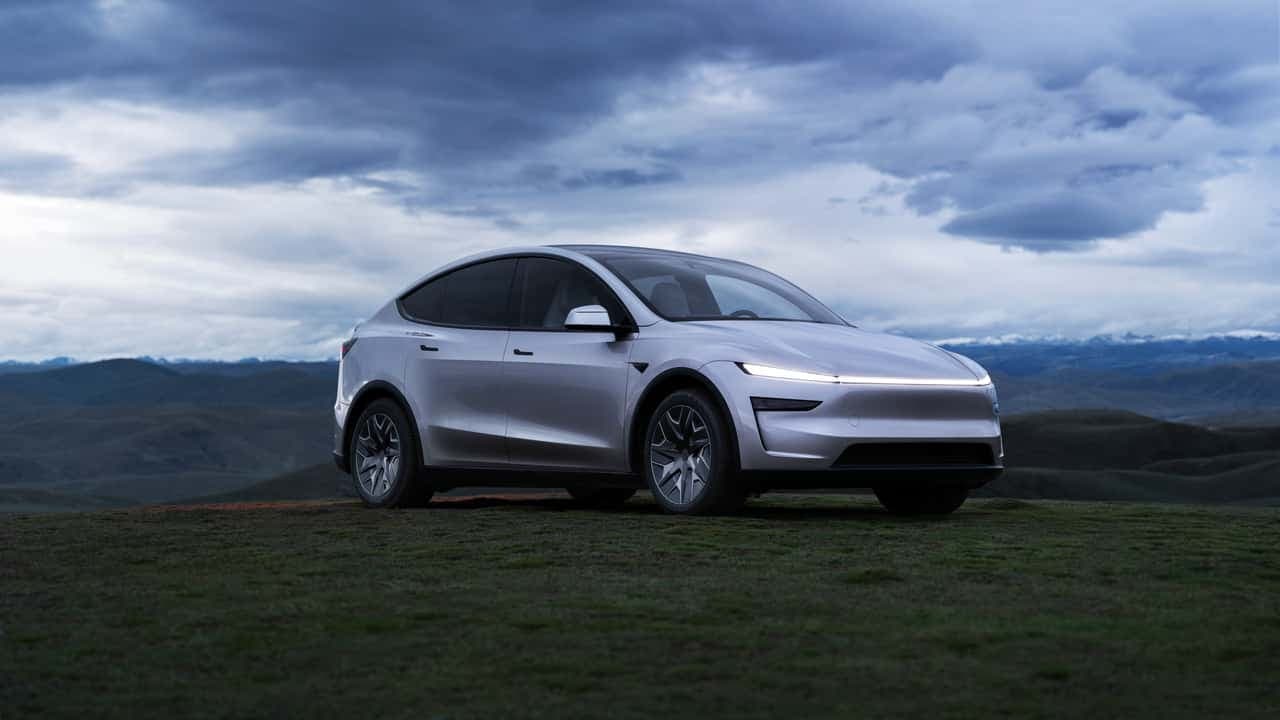
China has officially laid out a comprehensive roadmap for the next stage of its electric vehicle hegemony. Announced on September 28, the initiative targets the large-scale deployment of solid-state batteries by 2030. By leveraging its existing dominance in battery manufacturing and supply chain infrastructure, Beijing aims to transition from conventional liquid-electrolyte lithium-ion cells to next-generation energy storage solutions that promise higher energy density and improved safety profiles.
However, the government's roadmap extends well beyond solid-state chemistry. It encompasses a broad push for innovation, including sodium-ion and flow battery technologies, as well as significant performance improvements such as developing lithium batteries capable of reaching 15,000 charge-discharge cycles. The Ministry of Industry and Information Technology has acknowledged that while China currently leads the global market—responsible for roughly 70% of global electric car production—the industry must address underlying imbalances in supply and demand to maintain this lead in the coming decade.
The Manufacturing Reality Check
Despite the ambitious government timeline, the industry’s largest player is urging caution. CATL, the world’s leading EV battery manufacturer, has publicly maintained a more pragmatic outlook. Robin Zeng, chairman of CATL, has previously categorized current solid-state technology at a level four out of nine on a manufacturing readiness scale. He has explicitly noted that mass adoption in millions of consumer vehicles is highly unlikely before 2030, primarily due to the exorbitant costs and engineering complexities involved in scaling production.
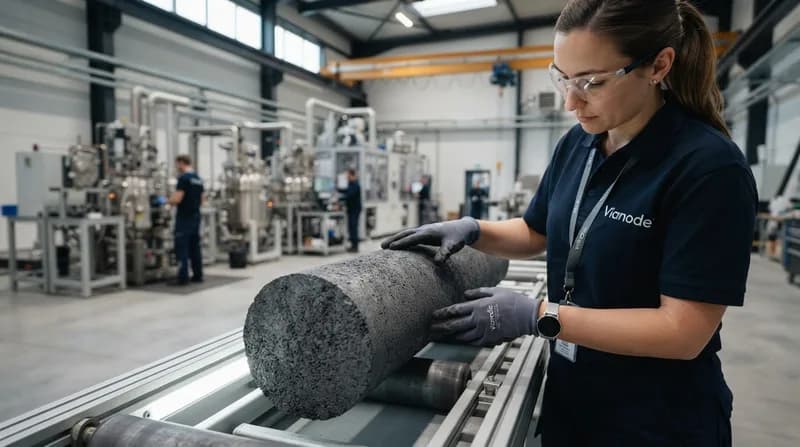
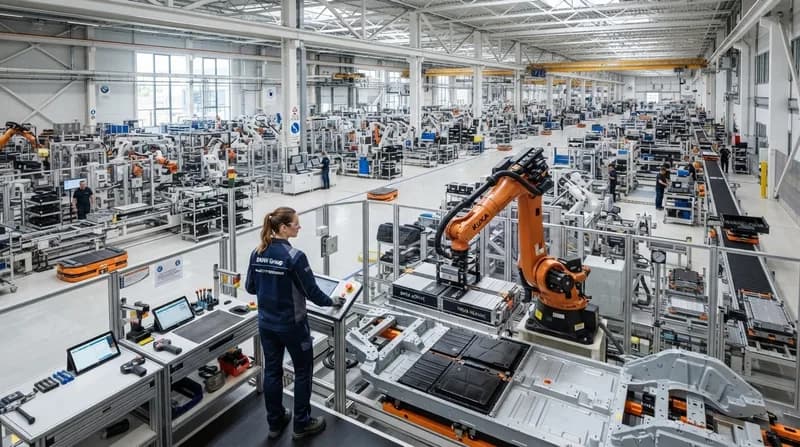
The hurdles aren't just about laboratory success; they are about economic and mechanical viability. While CATL plans to initiate limited production runs of solid-state cells by 2027, transitioning from small-batch prototyping to the massive volumes required for the global automotive market is a gargantuan task. Other industry heavyweights, including LG Energy Solution, have mirrored these concerns, emphasizing that the primary challenges reside in the manufacturing of large-format solid-state cells, a process that current assembly lines are not yet equipped to handle at scale.
Why it Matters
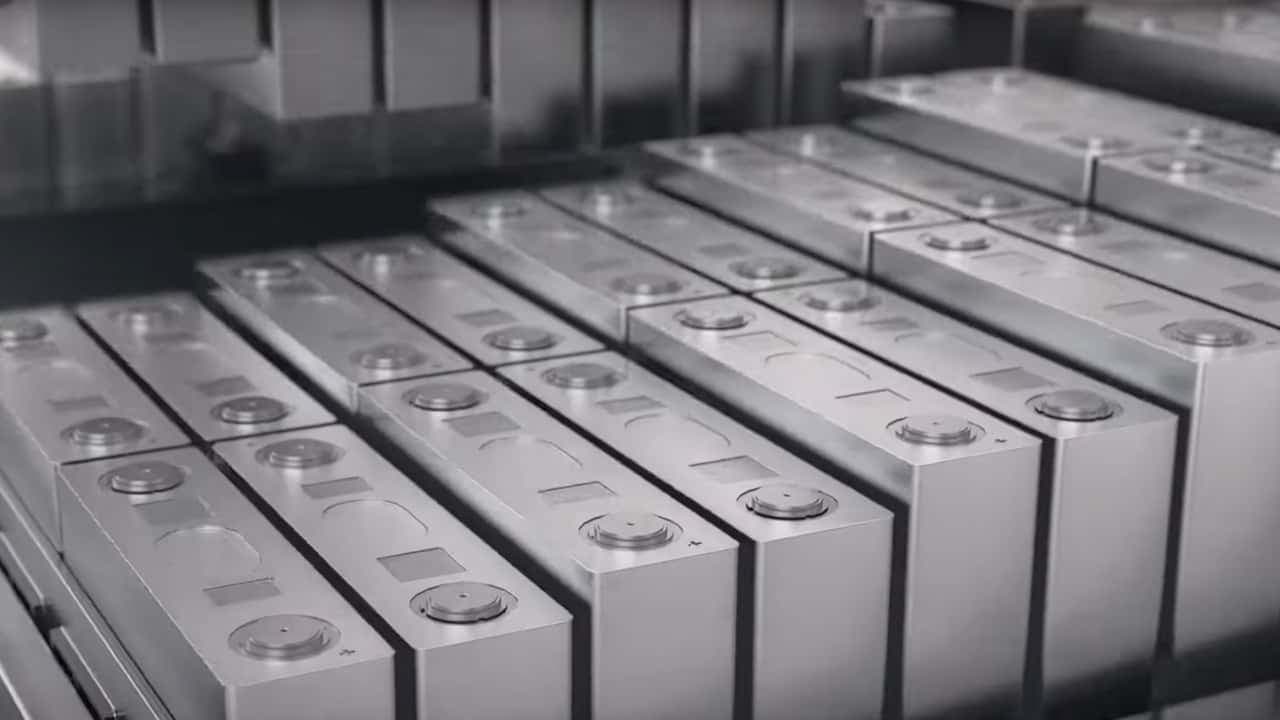
The push for solid-state batteries represents the "holy grail" of EV technology. By replacing flammable liquid electrolytes with solid materials, manufacturers can achieve significantly higher energy densities, faster charging times, and enhanced fire safety. If realized, these batteries could fundamentally change the economics of electric mobility, making long-range, fast-charging vehicles much lighter and more affordable.
- Energy Density: Solid-state cells can store more power in a smaller footprint, potentially pushing range figures significantly higher than current liquid-cell packs.
- Safety Standards: The elimination of volatile liquid electrolytes inherently reduces the risk of thermal runaway, making the packs safer during accidents or rapid charging.
- Production Scalability: The primary bottleneck remains the industrialization of ceramic or glass-based separators, which currently lack the manufacturing throughput of traditional porous separators.
- Economic Hurdles: Bringing costs down to the level of standard lithium-ion batteries is a multi-year effort that requires both breakthroughs in chemical engineering and new capital-intensive manufacturing infrastructure.
The Long Road Ahead
While the 2030 goal is a powerful signal of intent, it should be viewed as a milestone rather than an immediate transition date. Experts, including those at BloombergNEF, predict that solid-state technology will account for only a small fraction—roughly 10%—of global battery demand by 2035. This suggests a gradual, tiered introduction where high-end luxury vehicles and specialized industrial sectors adopt the tech first, followed by a slow trickledown to the mass market. For the average driver, the wait for a solid-state powered budget EV will likely extend well beyond the current five-year planning cycle.