Market Performance Analysis
Tesla reported a slight decline in global vehicle deliveries for the third quarter of 2026, totaling 486,532 units compared to 497,099 during the same period in 2025. This modest 2.1% contraction, while technically a decrease, represents a remarkable show of stability when compared to the broader automotive industry. As many global automakers report double-digit declines in EV demand, Tesla’s ability to retain its customer base highlights the enduring appeal of its core lineup.
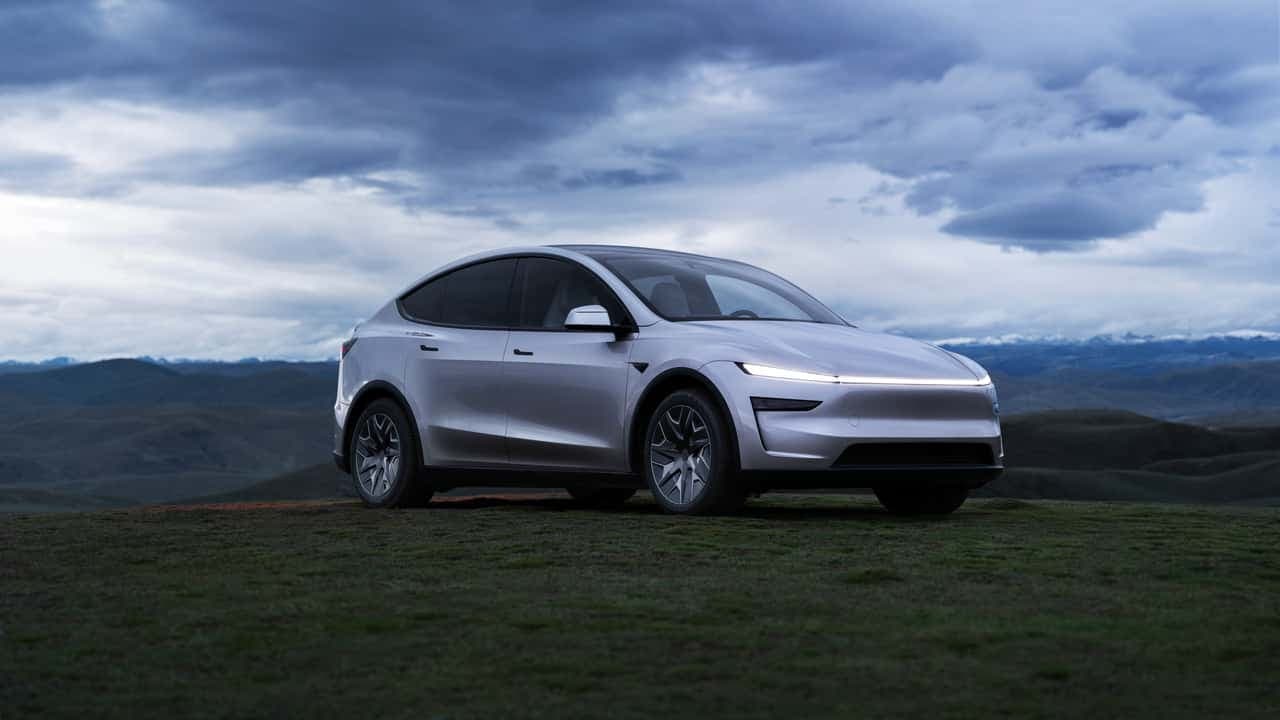
The company continues to lean heavily on the Model 3 and Model Y, which remain the pillars of its sales strategy. Despite being built on an aging platform dating back to 2017, these models account for roughly half of all electric vehicle sales in the United States. While the Model S and Model X have seen their market relevance fade, and the Cybertruck continues to serve as a low-volume product, the overall volume remains bolstered by recent interior and range updates, as well as the introduction of the three-row Model Y L variant.
The Strategic Pivot Toward Autonomy
Tesla's current plateau in hardware-driven growth has not deterred investors, largely because CEO Elon Musk has recalibrated the company’s identity toward artificial intelligence and robotics. By shifting the focus from incremental vehicle iterations to Full Self-Driving (FSD) capabilities and the development of the Optimus humanoid robot, Tesla is effectively betting on a future where autonomy, rather than mere hardware manufacturing, drives its valuation.
Critics often caution that this pivot might expose the brand to vulnerabilities as rivals saturate the market with newer, cheaper alternatives. However, the data suggests that Tesla’s brand equity and charging ecosystem have created a moat that is difficult for legacy competitors to bridge. With upcoming initiatives—including mass production of the Tesla Semi, the rollout of the Cybercab, and the highly anticipated Roadster debut—the company is clearly attempting to bridge the gap between its current stagnant car sales and a future vision centered on autonomous mobility solutions.
Why it Matters
- Resilience Against Trends: While competitors are grappling with the loss of tax incentives and cooling consumer appetite, Tesla has maintained consistent delivery numbers, proving that its core products still resonate with buyers.
- Platform Longevity: The sustained success of the Model 3 and Y platforms demonstrates that software-centric updates and over-the-air improvements can extend the lifecycle of automotive hardware far beyond industry standards.
- The AI Transition: Tesla is signaling a long-term evolution from a hardware manufacturer to an AI and robotics entity, a transition that remains the primary focus of leadership despite the immediate need to maintain EV market share.
As the automotive world watches, the upcoming months will be critical in determining whether Tesla can leverage its recent R&D efforts to spark renewed growth. With the Cybercab now hitting public roads and the expansion of self-driving pilot programs in Texas, the company is betting that these high-tech ventures will ultimately compensate for the current flatness in its core vehicle delivery figures.