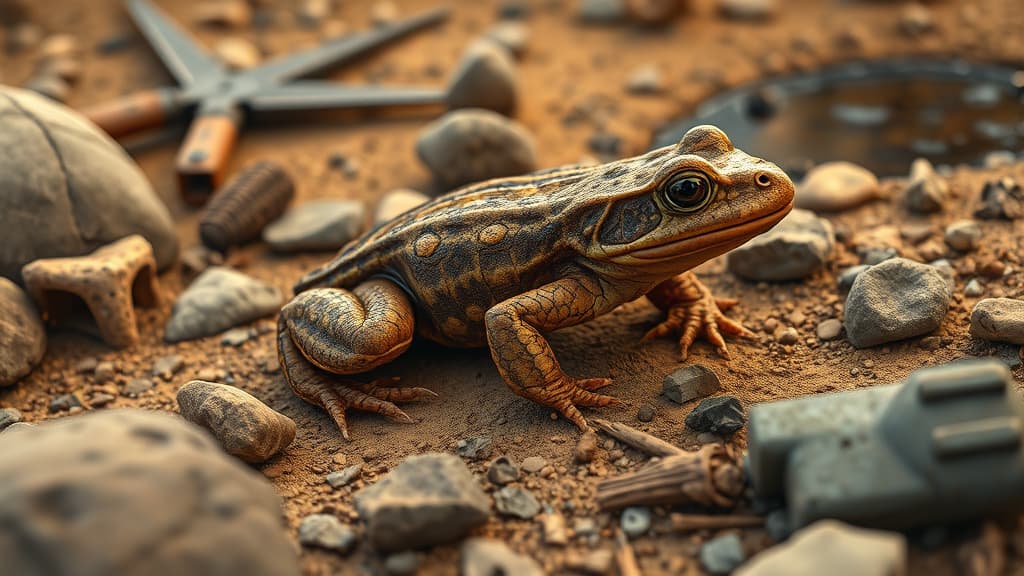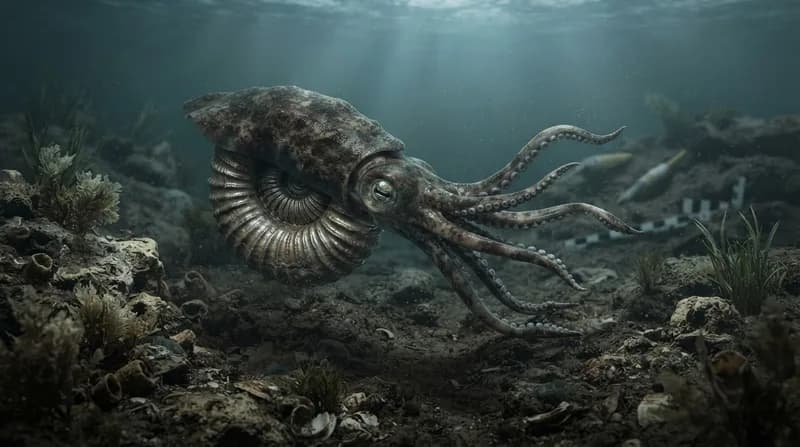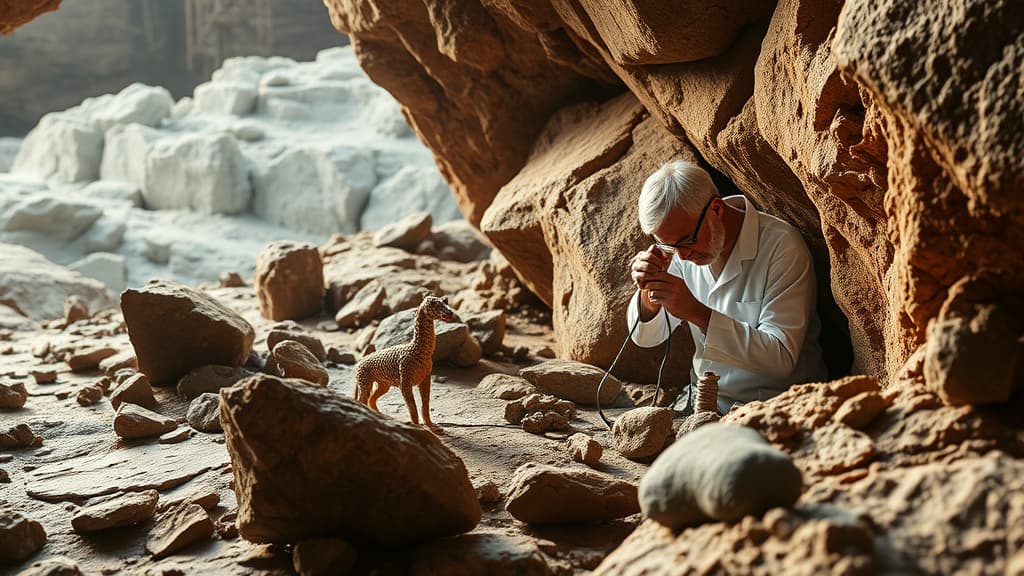
The pursuit of understanding how life on Earth evolved from simple microbial forms to complex organisms has led scientists to search for tiny fossils in the planet's oldest rocks. These fossils, dating back 1.7 billion years, are microscopic in size and have undergone significant degradation over billions of years, making their discovery a challenging but potentially rewarding endeavor.
Key Insights
The discovery of these ancient fossils could provide crucial insights into the evolution of complex life on Earth and potentially offer clues about the possibility of life existing elsewhere in the universe. By studying these fossils, scientists aim to learn more about the transition from simple microbial life to more complex organisms, a transition that could have parallels on other planets or moons with similar conditions.