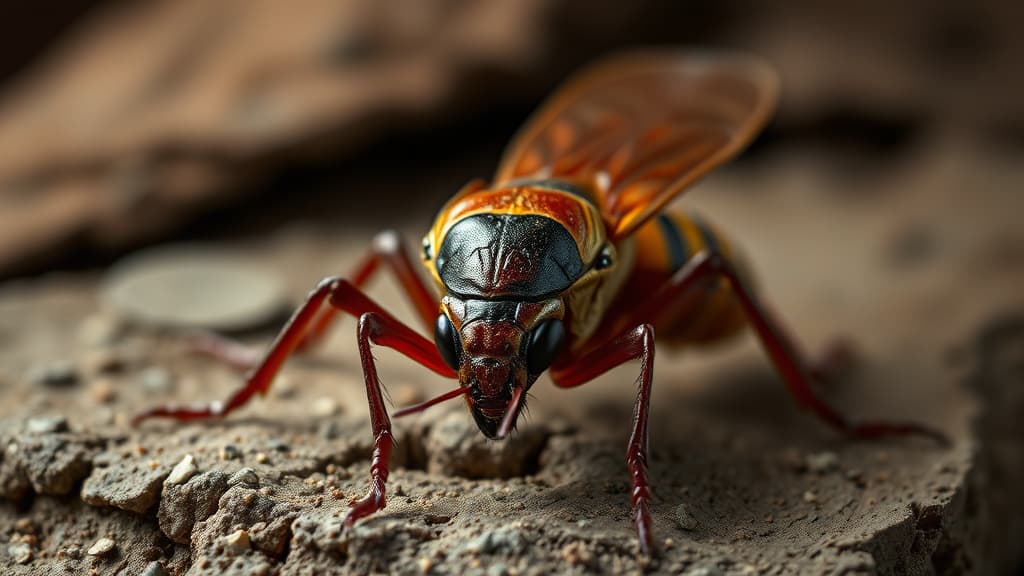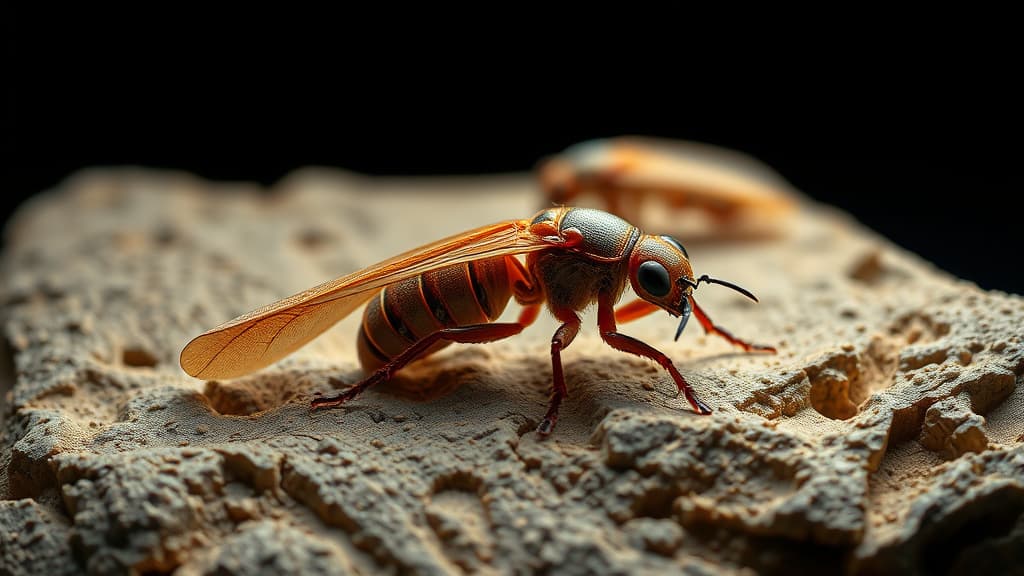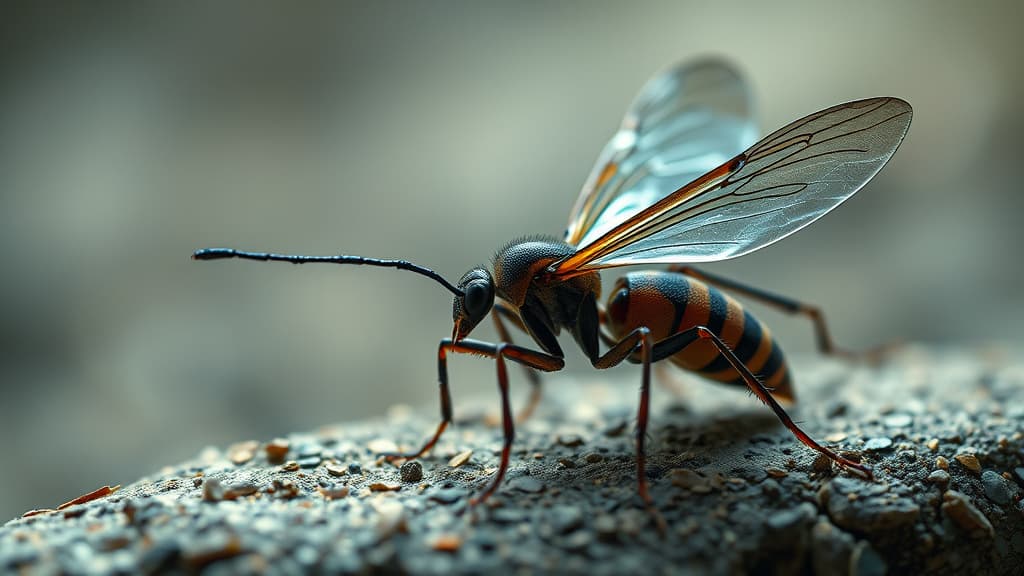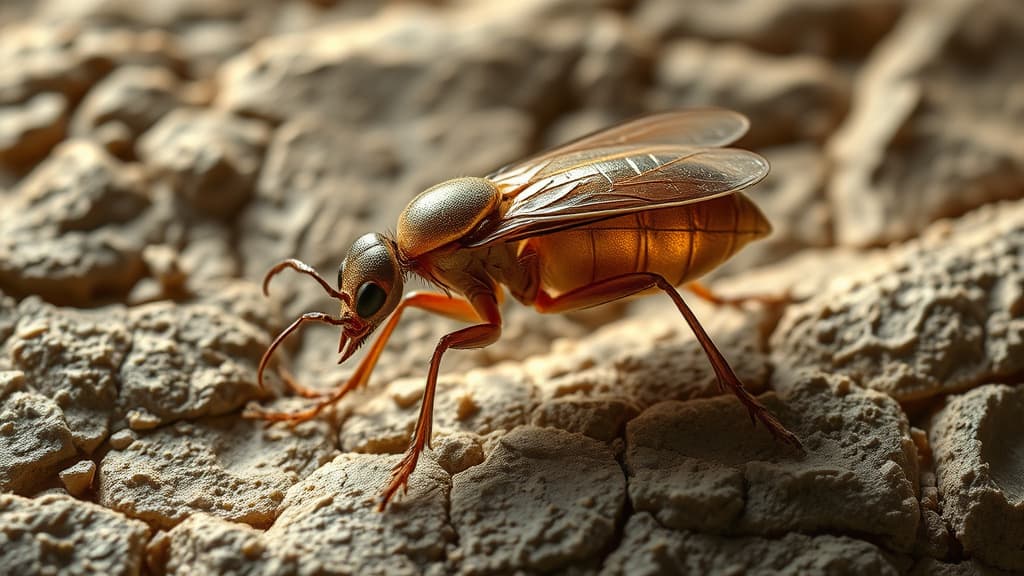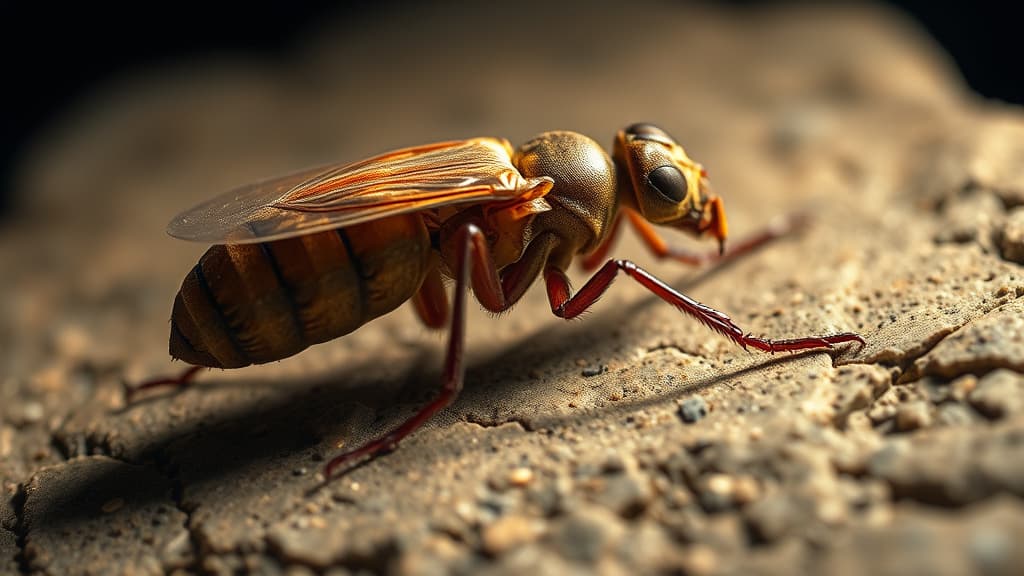
A groundbreaking discovery sheds light on the evolution of insects, with the identification of a 324-million-year-old fossil named Chosha praecursor. Found in Texas, this fossil provides significant evidence suggesting that early insects transitioned from aquatic environments to land through a prolonged semi-aquatic phase, addressing an 80-million-year gap in the fossil record and challenging prevailing theories about insect evolution and adaptation.
Key Details
- Fossil Characteristics: Chosha praecursor measures 49.66 mm in total length and features paddle-like abdominal limbs, displaying a blend of traits from both ancestral and modern insects.
- Research Leadership: The study is spearheaded by Prof. Chenyang Cai from the Chinese Academy of Sciences, illustrating the evolutionary process that led to terrestrial adaptations.
- Evolving Timeline: This research pushes back the timeline for insect diversification to the Early Devonian period, contrary to previous beliefs placing it in the Late Carboniferous.
- Anatomical Adaptations: Key evolutionary traits observed in C. praecursor, such as its ovipositor and reduced segmented appendages, reveal significant adaptations crucial for life on land.
- Ecological Roles: Early insects likely played vital ecological roles, potentially feeding on decaying plant matter and contributing to the development of terrestrial ecosystems.
- Insight into Evolution: The fossil evidence paints a clearer picture of the gradual evolutionary journey insects underwent from their aquatic ancestors to modern forms.
This finding is pivotal as it refines our understanding of how modern insects evolved and adapted to both their environments and ecological roles. The research not only fills historical gaps but also illustrates the complexity of evolutionary adaptations necessary for survival on land.