The Hidden Impact of Alcohol on Immunotherapy
Cancer immunotherapy, specifically the class of drugs known as immune checkpoint inhibitors (ICIs), has revolutionized oncology by training the body’s own immune system to identify and eradicate malignant cells. However, clinical success rates have remained inconsistent across patient populations. A pioneering study published in the journal Science Signaling now identifies a potentially significant environmental factor that may be undermining these treatments: regular alcohol consumption.
By examining both mouse models and human clinical data, researchers have discovered that even moderate levels of alcohol intake can stifle the body's ability to combat tumors. The study specifically focused on anti-PD-1 therapies, which work by blocking a protein receptor on T cells that tumors often exploit to evade detection. When alcohol is present in the system, this critical therapeutic mechanism appears to lose much of its potency, leading to higher rates of tumor recurrence and lower survival outcomes.
The Mechanism of Immune Suppression
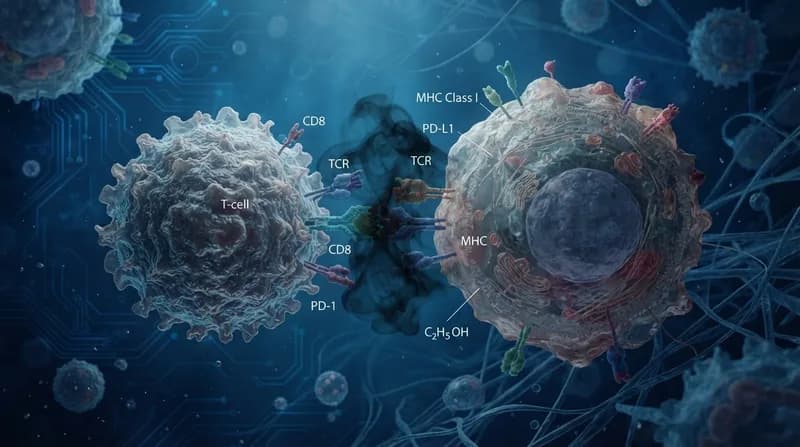
The immune system naturally utilizes T cells to patrol the body and destroy aberrant cells. To ensure these cells do not damage healthy tissue, they possess 'off-switches'—receptors like PD-1 that can be triggered to dial back immune activity. Cancer cells are adept at hijacking this system by forcing T cells to turn off, effectively putting the immune response to sleep. Immunotherapy drugs like pembrolizumab or nivolumab are designed to block these switches, allowing the T cells to remain active.
The research reveals that chronic alcohol consumption disrupts this process through several pathways. First, it reduces the overall population of tumor-infiltrating T cells, effectively thinning the defensive ranks. Second, it impairs the functionality of the remaining cells, specifically CD8+ T cells, which are essential for releasing interferon-gamma—a signal that drives tumor cell death. Perhaps most importantly, alcohol exposure triggers an increase in the expression of a secondary inhibitory receptor known as TIGIT. By causing T cells to express TIGIT, alcohol provides the cancer with a secondary, auxiliary 'off-switch' to evade the immune system, even when the primary PD-1 switch is blocked by medication.
Why It Matters: Clinical Implications
- Reduced Efficacy: Findings in mouse models indicated that moderate-to-heavy alcohol consumption could reduce the success rate of ICI therapy by approximately 50%.
- Clinical Correlation: Human data from cancer patients receiving anti-PD-1 treatments showed that those who consumed more than one drink per week experienced diminished survival benefits.
- Potential Solutions: The study highlights a breakthrough: by combining standard anti-PD-1 therapy with an anti-TIGIT antibody, researchers were able to neutralize the suppressive effects of alcohol in mice, successfully restoring immune efficacy to near-normal levels.
Future Outlook and Research
The implications of this study suggest that doctors and patients must prioritize lifestyle factors during cancer treatment. With nearly 75% of patients continuing to consume alcohol after a cancer diagnosis, understanding the impact on systemic immunity is vital. The discovery of the TIGIT-related pathway opens the door for combination therapies that could mitigate the adverse effects of external lifestyle factors. Future research is expected to focus on more precise dosing metrics for alcohol consumption to better inform clinical guidelines and potentially integrate alcohol use monitoring into cancer care databases to improve personalized treatment plans.