E-BUZZ ME Logo
ScienceTechnical Deep Dive

Affordable AI-Powered Endomicroscope Promises Early Cancer Detection

Published
Affordable AI-Powered Endomicroscope Promises Early Cancer Detection
1 min read159 words

The Gist

A new handheld imaging device combines deep learning with advanced optics to identify epithelial cancers at their earliest stages.

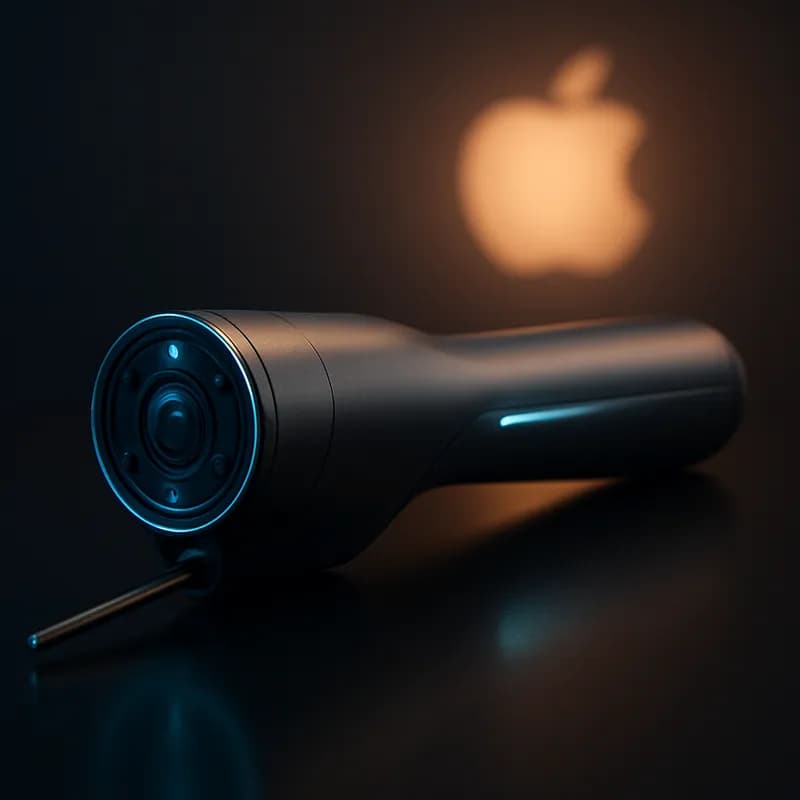
Researchers have developed a cost-effective, handheld endomicroscope designed to significantly improve the early detection of epithelial cancers. By integrating high-resolution optics with sophisticated deep learning algorithms, the device allows clinicians to visualize cellular structures in real-time with high precision.

The Intersection of Optics and AI

The device works by capturing detailed images of tissue surfaces that are often difficult to assess with traditional equipment. The embedded AI component assists in the immediate analysis of these images, identifying suspicious patterns that may indicate the onset of malignancy. This dual approach aims to reduce the reliance on invasive biopsies and long laboratory wait times.

Expanding Access to Screening

One of the primary goals of this development is affordability. By lowering the cost of advanced imaging technology, the team hopes to make early cancer screening more accessible in low-resource settings and primary care environments. Early intervention in epithelial cancers, which affect the lining of organs, is critical for improving patient survival rates.


Related Stories

Semantically matched articles, ranked by topic overlap and freshness.

The Future of Open Access: Navigating Structural Challenges and AI Integration
Science71%

The Future of Open Access: Navigating Structural Challenges and AI Integration

As the scientific community pushes for an open-access future, experts warn that systemic issues and the rise of AI must be addressed to ensure sustainability.

New Class of Magnons Exhibits Hundred-Fold Increase in Lifespan
Science70%

New Class of Magnons Exhibits Hundred-Fold Increase in Lifespan

A breakthrough discovery of long-lived magnons could pave the way for scalable, nanoscale quantum information technologies on-chip.

GPS Satellite Network Provides Two Decades of Space Radiation Data
Science70%

GPS Satellite Network Provides Two Decades of Space Radiation Data

A massive cross-calibration effort involving 25 GPS satellites has unlocked twenty years of continuous space radiation tracking.

The Physics Behind the Snap: Understanding the Venus Flytrap
Science67%

The Physics Behind the Snap: Understanding the Venus Flytrap

New research delves into the complex physics that allows the Venus flytrap to snap shut with incredible speed to capture its prey.

John Bell and the Legacy of the Journal 'Physics'
Science66%

John Bell and the Legacy of the Journal 'Physics'

A look back at the short-lived journal where John Bell published his ground-breaking theorem, forever changing our understanding of quantum mechanics.

Self-Sampling Significantly Boosts HPV Detection and Screening Rates
Science66%

Self-Sampling Significantly Boosts HPV Detection and Screening Rates

A new clinical trial reveals that offering patients the option to self-sample for HPV leads to a dramatic increase in high-risk virus detection and overall screening participation.

AI Aids Stanford Researchers in Discovering Natural Weight Loss Molecule
Science62%

AI Aids Stanford Researchers in Discovering Natural Weight Loss Molecule

Stanford scientists have identified a natural molecule that mimics the weight-loss effects of Ozempic with fewer side effects by targeting specific brain regions.

Self-Repairing Bio-Textiles: Scientists Create Clothing From Living Fungi
Science61%

Self-Repairing Bio-Textiles: Scientists Create Clothing From Living Fungi

Researchers have developed a revolutionary biodegradable textile using the parasitic fungus Cordyceps militaris that can clean and repair itself.