The Shift Toward Electric Freight
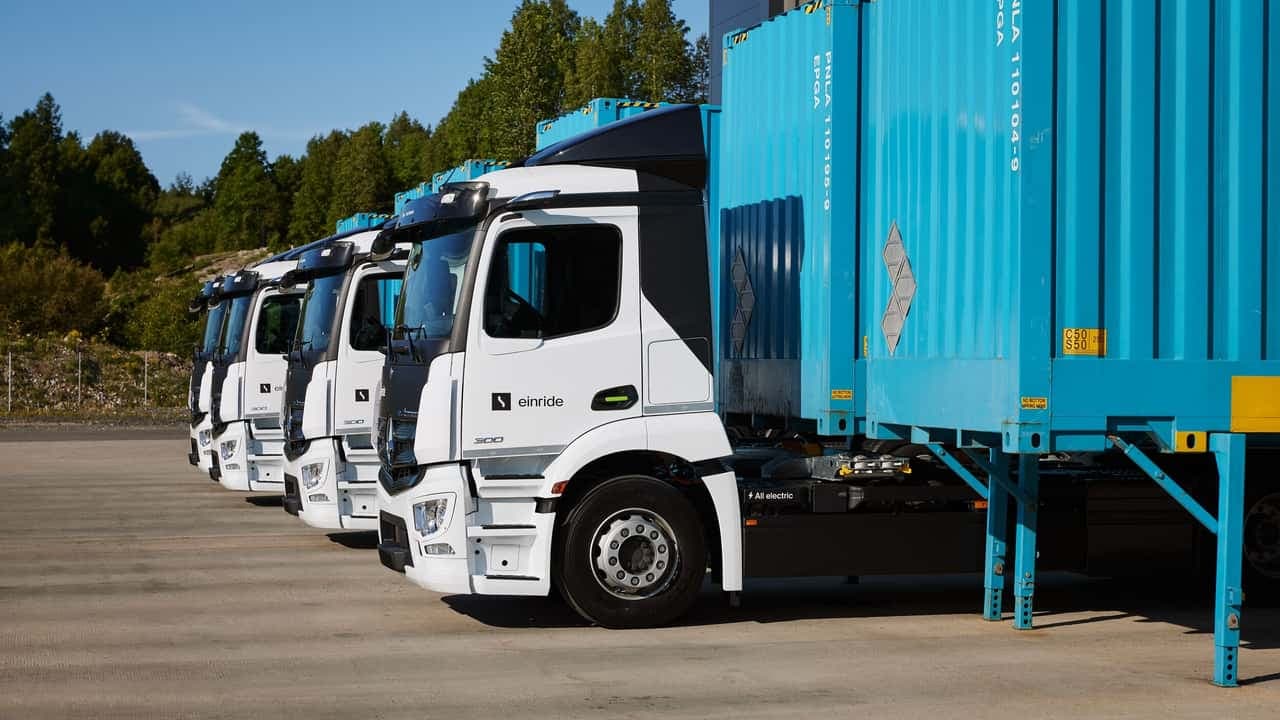
The global logistics sector is currently undergoing a significant transformation, driven not only by environmental goals but by a stark economic reality: the extreme volatility and rising cost of diesel fuel. As traditional fuel prices continue to surge, freight operators are finding themselves increasingly exposed to market fluctuations, prompting a pivot toward electric alternatives. Companies like Einride, which specializes in both electric freight services and proprietary logistics software, have reported a marked increase in inquiries from shippers looking to insulate their operations from the escalating costs of fossil fuels.
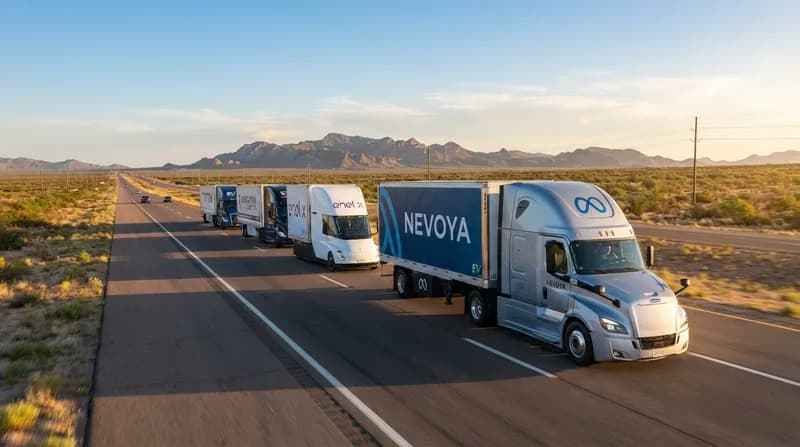
According to industry leaders, the business case for electrification has reached a tipping point. While the initial capital expenditure for electric trucks remains higher than their diesel-powered counterparts, the long-term operational savings, particularly for high-utilization routes, are becoming too significant to ignore. These mid-mile applications—typically spanning 100 to 200 miles—offer the ideal conditions for electric powertrains to demonstrate parity or even cost-efficiency compared to traditional combustion-engine big-rigs.
The Impact of the Tesla Semi
Hardware advancements are playing a central role in this shift, with the Tesla Semi frequently cited as a turning point for the industry. Experts note that the vehicle provides a substantial leap in performance, range, and cost-effectiveness compared to previous electric truck iterations. By offering a platform that can handle the rigorous demands of long-haul freight, the Semi has effectively moved electric trucking from a speculative technology into a viable, high-capacity commercial reality.
This sentiment is reflected in recent strategic moves within the logistics space. Einride recently announced an ambitious initiative to integrate 500 Tesla Semis into its North American network, specifically to service major clients like Amazon. This deployment is expected to triple their existing fleet, signaling a massive scale-up in electric logistics capacity that is being fueled by both client demand and the improving technical capabilities of modern electric heavy-duty hardware.
Why it Matters
- Economic Hedge: Electric trucks provide commercial operators with protection against the volatile pricing of diesel, which has seen massive spikes in recent years.
- Utilization Patterns: For mid-mile routes with high daily mileage, the lower operating costs of EVs create a compelling return on investment that outweighs the higher upfront purchase price.
- Health and Policy: Heavy-duty vehicles are disproportionately responsible for air pollution. Moving to zero-emission platforms is seen as an essential step toward mitigating public health risks associated with diesel particulate exhaust.
- Market Validation: The tripling of sales pipelines for electric freight providers, coupled with large-scale orders from major corporations like PepsiCo, confirms that commercial adoption is moving beyond the pilot phase.
The Future of Zero-Emission Logistics
The transition to electric trucking represents more than just a change in fuel source; it is a structural redesign of how goods are moved across continents. While challenges regarding charging infrastructure and grid capacity remain, the current economic climate is forcing a rapid acceleration of these programs. As more companies witness the operational success of early adopters, the shift is expected to gain momentum, potentially rendering diesel-only fleets a relic of the past in high-frequency freight applications.
By prioritizing routes that maximize the uptime of electric charging assets, companies are proving that sustainable logistics can be both profitable and reliable. With the continued entry of high-performance electric hardware into the market, the barrier to entry for smaller and mid-sized freight companies is expected to lower, further decentralizing the reliance on traditional fuel supply chains and fostering a more resilient, technology-driven transportation ecosystem.