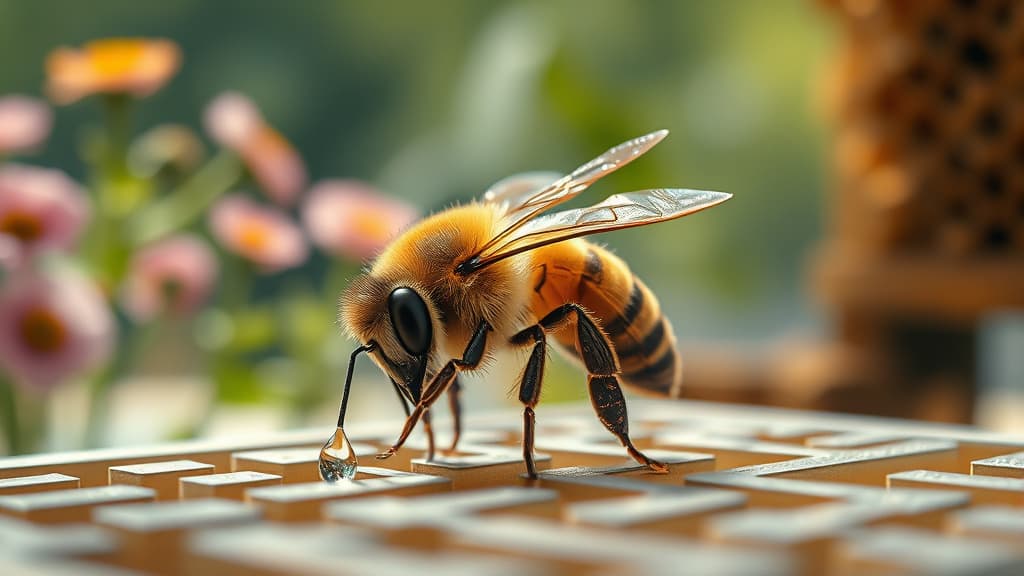
A recent study conducted by researchers at Virginia Tech has revealed a concerning link between glyphosate, the world's most-used weedkiller, and the behavior of honeybees. The findings indicate that exposure to glyphosate can disrupt the normal foraging behavior of honeybees, potentially threatening the stability of entire colonies.
Key Insights
The study's key points include the fact that glyphosate can interfere with honeybee foraging, leading to a 13 percent decline in foraging activity after just three days of exposure. Furthermore, the research suggests that glyphosate can disturb the neurochemical balance that supports normal behavior in honeybees, even when the exposure is not lethal. These insights underscore the need for a closer examination of the environmental impact of widely used herbicides like glyphosate.