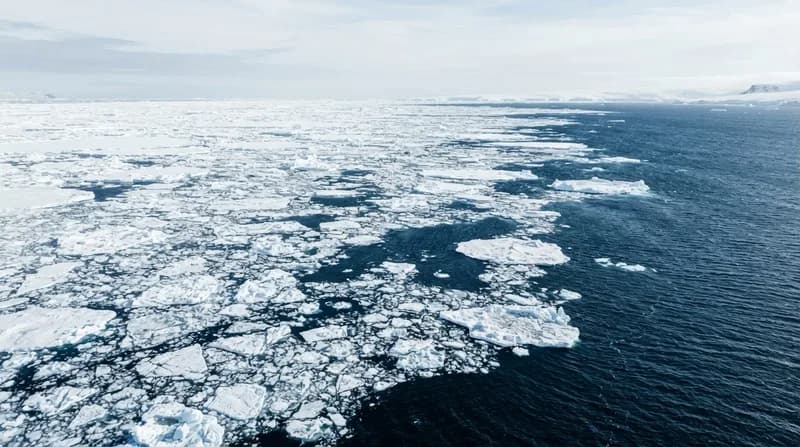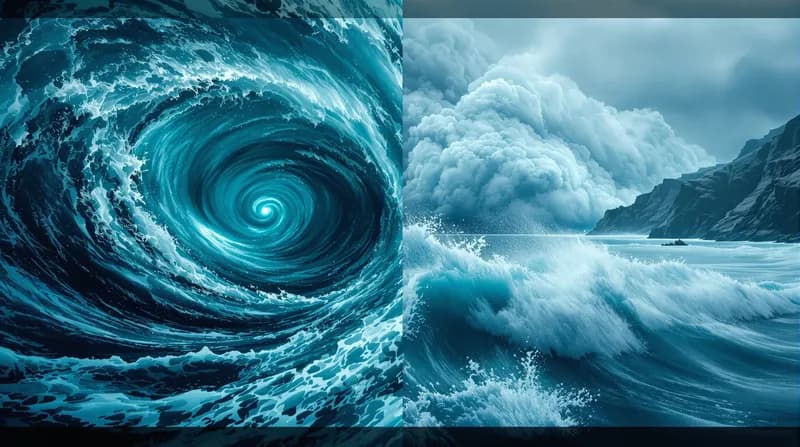
Recent scientific observations indicate that the weakening of major Atlantic Ocean currents may have far-reaching consequences for global weather patterns, specifically impacting the Western United States. The Atlantic Meridional Overturning Circulation (AMOC), a critical system of currents that redistributes heat across the planet, is showing signs of slowing, which could trigger a chain reaction in atmospheric behavior.
Impact on California and Greenland
Researchers warn that a disrupted Atlantic current could supercharge California’s atmospheric rivers. These narrow bands of concentrated moisture are responsible for significant portions of the state's annual precipitation. A shift in global thermal balance could lead to more frequent and intense storm events, significantly increasing the risk of flooding and putting immense strain on existing drainage and storage infrastructure.
Conversely, the North Atlantic region may face the opposite problem. The study suggests that Greenland could see a decrease in snow-producing storms. This shift in precipitation patterns could reshape water supplies and ecosystem stability far beyond the immediate Atlantic basin, highlighting the interconnected nature of the Earth's climate systems.