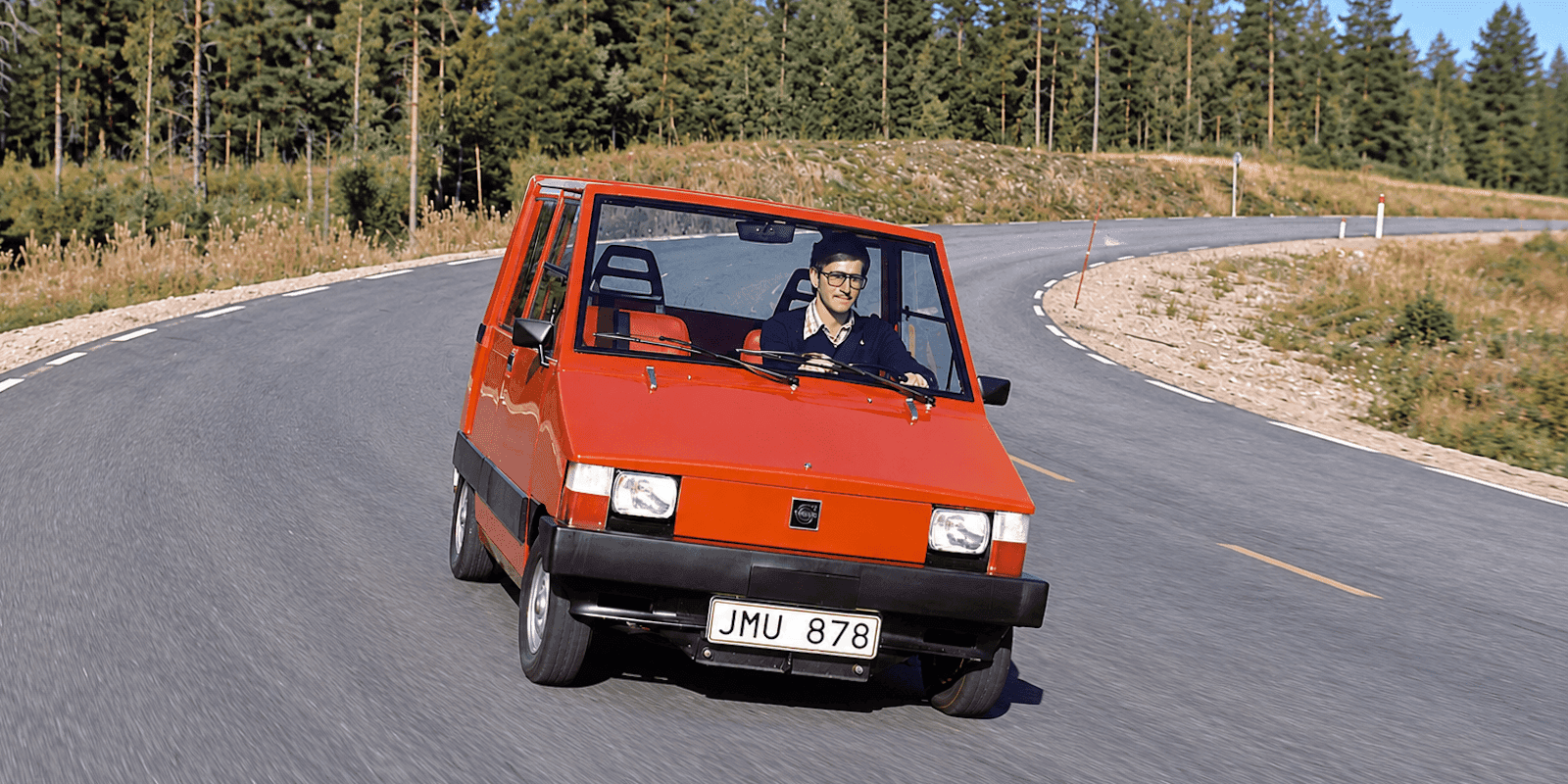
The Elbil Legacy
While many associate the current surge in electric vehicle adoption with the last decade, Volvo has been quietly pushing boundaries for far longer. This month marks the 50th anniversary of the 'Elbil,' a pioneering electric vehicle project that debuted in 1976. Created as a response to the growing energy crises of the 1970s, the prototype served as an early vision of how urban mobility could be reimagined without a reliance on internal combustion engines.
Reflecting on Early Electrification
The original Elbil was modest by today’s standards, characterized by a utilitarian design that prioritized short-range urban commuting. It utilized lead-acid batteries, a stark contrast to the sophisticated lithium-ion and solid-state architectures powering modern Volvo EVs like the EX90. Despite its limited range and rudimentary charging capabilities, the project established a foundational knowledge base within the company regarding drivetrain efficiency and battery thermal management.
Why It Matters
- Pioneering Spirit: Volvo’s early experimentation highlights a long-term commitment to alternative fuels, predating modern climate mandates.
- Technological Bridge: The insights gained from the 1976 prototype helped inform the engineering discipline required for today’s high-performance electric platforms.
- Sustainability Commitment: This milestone serves as a historical anchor for Volvo’s current goal to become a fully electric car manufacturer, showcasing that the transition is a natural evolution rather than a reactionary pivot.
As Volvo celebrates five decades of electric experimentation, the contrast between the primitive Elbil and the cutting-edge EVs of 2026 is profound. The company has moved from small-scale testing to mass-market production, leveraging advanced software-defined architectures and rapid charging ecosystems. This anniversary is not just a nod to nostalgia; it is a testament to how experimental hardware, when refined over generations, eventually powers a global industry shift. The journey from a 1976 prototype to the current high-voltage flagship models underscores that the transition to electric mobility is a multi-generational engineering endeavor, one that has finally reached the tipping point of consumer adoption and technological viability.